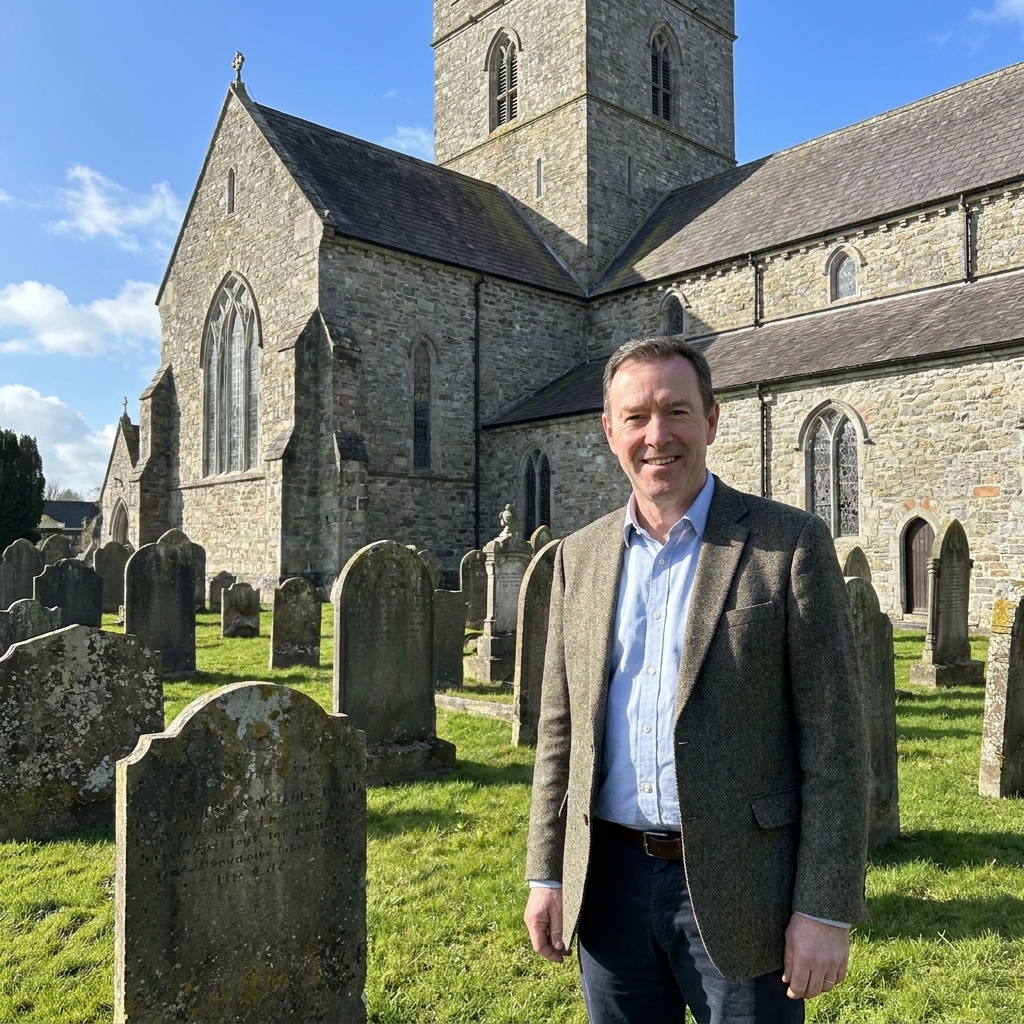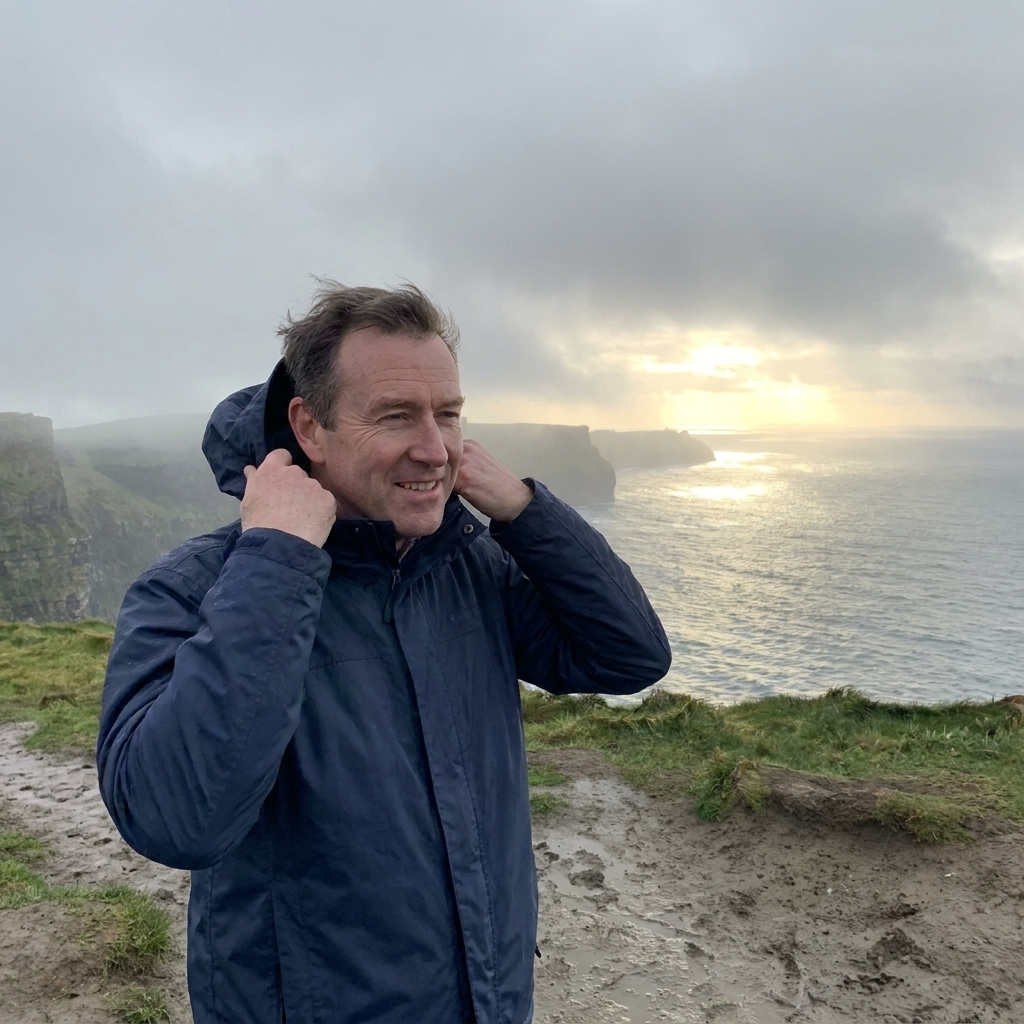
The first time I climbed Croagh Patrick, I did the classic rookie thing: I looked up at that tidy cone from Murrisk, thought “grand, that will be an hour,” and set off with far too little water and far too much confidence. Mayo corrected me quickly. Croagh Patrick is not a long hike on paper, but it is a proper mountain with proper weather, loose stone underfoot, and a habit of hiding the summit in cloud like it is shy.
If you are eyeing it for St. Patrick’s Weekend, you are in good company. This is a place where fitness meets folklore, and where you can feel the island’s older pulse under your boots. Here’s how to plan it so the day feels like a pilgrimage, not a rescue scenario.
Why it matters on St. Patrick’s Weekend
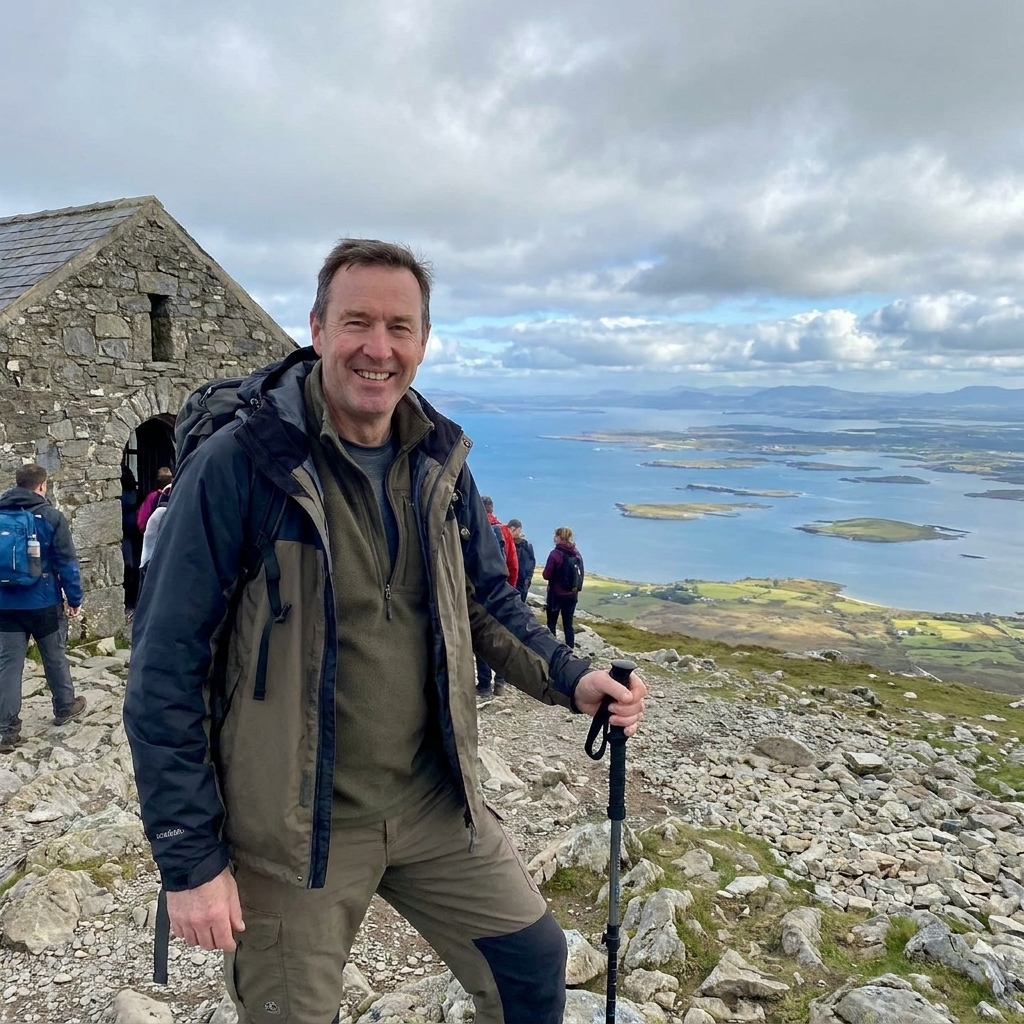
Croagh Patrick (Cruach Phádraig) rises above Clew Bay in County Mayo, and it has drawn people up its slopes for a very long time. It is often called Ireland’s holy mountain, and it earns that reputation the hard way, one loose step at a time.
Long before it was firmly linked to St. Patrick, the mountain is widely believed to have had pre-Christian significance, the sort of high place that pulled people in for seasonal gatherings and ritual. Later, Christian pilgrimage folded into older patterns, and the climb became one of the most powerful St. Patrick-associated journeys you can make in Ireland.
The story most people know is the traditional account that St. Patrick fasted here for 40 days. Whether you come for faith, history, curiosity, or the simple urge to earn your views, the atmosphere on the mountain around St. Patrick’s season is different. There is a sense of shared purpose, even among strangers passing in the scree.
If you want to ground your St. Patrick’s trip in places with real historical weight, not just green hats and plastic shamrocks, pair this hike with my guide to where to find the real history of St. Patrick in Ireland.
When to hike
St. Patrick’s Weekend (mid-March)
Expect winter conditions to still be in play. March can bring dazzling clear views, but it can also bring sleet, hard wind, and fog that wipes out visibility in minutes. Daylight is improving, but it is not endless, and the descent always takes longer than you think. The upside is a quieter mountain than the big pilgrimage day, and a crisp, bracing feel that suits the whole “earn your celebration” idea.
Reek Sunday (last Sunday in July)
Reek Sunday is the famous annual pilgrimage day and the busiest time on the mountain by far. You will often see pilgrims walking barefoot, and there is commonly a visible stewarding and first aid presence. If your goal is solitude, it is not the day. If your goal is to witness living tradition at full volume, it is unforgettable.
For St. Patrick’s Weekend, you get something in between: enough fellow hikers to feel the shared spirit, without the full surge.
Route options
For most visitors, there is one main choice, plus a couple of quieter variations if you have the experience for them.
Main route: Murrisk (Pilgrim Path)
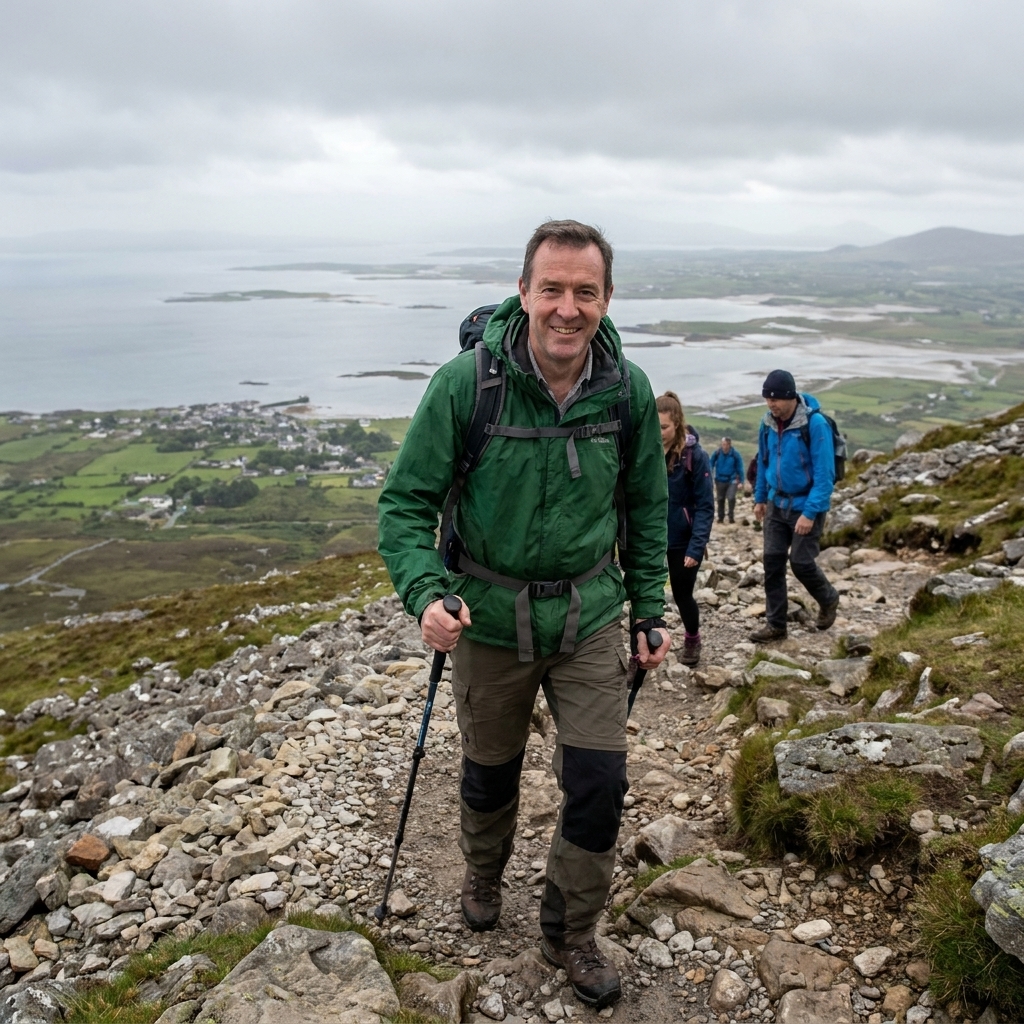
This is the standard approach from the base near Murrisk, following a well-used path all the way to the summit chapel. It is the most direct, most popular, and the easiest to navigate. It is also steep and rough, with long stretches of loose stone that can feel like walking up a tilted beach of gravel.
- Typical distance: about 7 km return
- Elevation gain: roughly 750 m
- Typical time: 3.5 to 5 hours for most steady hikers, longer in March conditions
- Best for: First-timers, anyone hiking in changeable March weather, groups who want simple logistics.
- Watch for: Slips on descent, especially if it is wet or icy. Trekking poles help a lot here.
Longer lines (experienced hikers)
If you want a longer mountain day, there are recognised alternatives that link in from the surrounding ridges, such as approaches that take in Ben Goram or follow connecting high ground. They can be quieter, but in March I only recommend them if you are comfortable navigating in poor visibility and you have checked conditions carefully. The mountain’s shape looks simple from below, but fog plus wind plus loose ground can turn a “scenic variation” into a stressful one.
If your heart is set on quieter walking, another good tactic is choosing a quieter St. Patrick’s base, then hiking Croagh Patrick on the calmest forecast day of your trip. I keep a list of places where celebrations feel more local than chaotic in these small-town St. Patrick’s Day celebrations.
How hard is it?
Croagh Patrick is often described as “doable,” which is true in the sense that plenty of ordinary people climb it every year. But it is not gentle. The challenge is less about distance and more about gradient, footing, and exposure to weather.
- Steepness: Sustained climbing with few flat rests. The real steepness bites once you leave the lower slopes and the cone starts to pull you upward in earnest.
- Footing: Loose stone and scree, particularly on the upper cone.
- Weather: The summit can be calm one moment and lashing wind the next.
If you are reasonably fit, start early, and bring the right kit, it is a rewarding day out. If you have weak ankles, knee issues, or hate walking downhill on rubble, treat the descent as the main event and plan accordingly.
March conditions to expect
March on Croagh Patrick can feel like a grab bag. Here is what I mentally pack for every time I climb outside high summer:
- Cold wind at the top: Even if it is mild at the base.
- Rain, sleet, or hail: Especially in passing squalls coming off the Atlantic.
- Low cloud: Visibility can drop quickly, and the summit can disappear entirely.
- Wet rock and mud: Lower sections can be slick, then it shifts into loose stone higher up.
- Snow or ice patches: Some years, yes, particularly after cold snaps.
If you want a deeper read on why Irish weather can turn on you mid-sandwich, I wrote it up plainly in the truth about Irish weather.
What to wear and bring
This is the gear list I wish someone had pressed into my hand before my first windy March attempt.
Footwear and stability
- Waterproof hiking boots with real ankle support and grippy soles. Trail runners can be fine in dry summer conditions, but March is a different mood.
- Trekking poles for the descent, and for staying upright on loose stone.
- Gaiters if it has been wet. Not essential, but they save your socks and your sanity.
Clothing layers
- Base layer that wicks sweat.
- Mid layer like a fleece or light insulated jacket.
- Waterproof jacket with a hood you can cinch down.
- Waterproof trousers if rain is likely.
- Hat and gloves. The summit wind can be sharp enough to make you clumsy.
If you are building a St. Patrick’s packing list for the rest of the weekend too, my guide on what to wear in Ireland on St. Patrick’s Day will keep you comfortable without overpacking.
Food, water, and essentials
- Water: Bring enough for a few hours of steady effort. In cold weather you still dehydrate, you just do not notice it as quickly.
- High-energy snacks: Nuts, chocolate, sandwiches, whatever you will actually eat in wind.
- Navigation: A downloaded offline map plus a paper map as backup if you are the cautious type.
- Headlamp: Not because you plan to use it, but because plans change.
- Small first aid kit: Blister care is the big one.
- Phone power: A small battery pack. Cold drains batteries faster than you expect.
Pacing that works
1) Start early
Treat the first stretch as a warm-up. The lower slopes lull you into thinking the whole thing is like this. It is not. Once the cone steepens, you will be glad you kept something in the tank.
2) Eat before you feel hungry
Wind and cold make people forget to snack. Then the legs go a bit wobbly at exactly the wrong time. Little and often works best.
3) Expect the final push to be slow
On the upper scree, your pace will drop. Shorter steps, steady rhythm, and do not be embarrassed to stop and let your heart rate settle.
4) Take the descent seriously
The descent is where ankles roll and knees complain. Face slightly sideways on the loosest bits if it feels safer, use poles, and give other hikers space. The mountain is steep enough that one slip can start a small chain reaction.
Summit etiquette
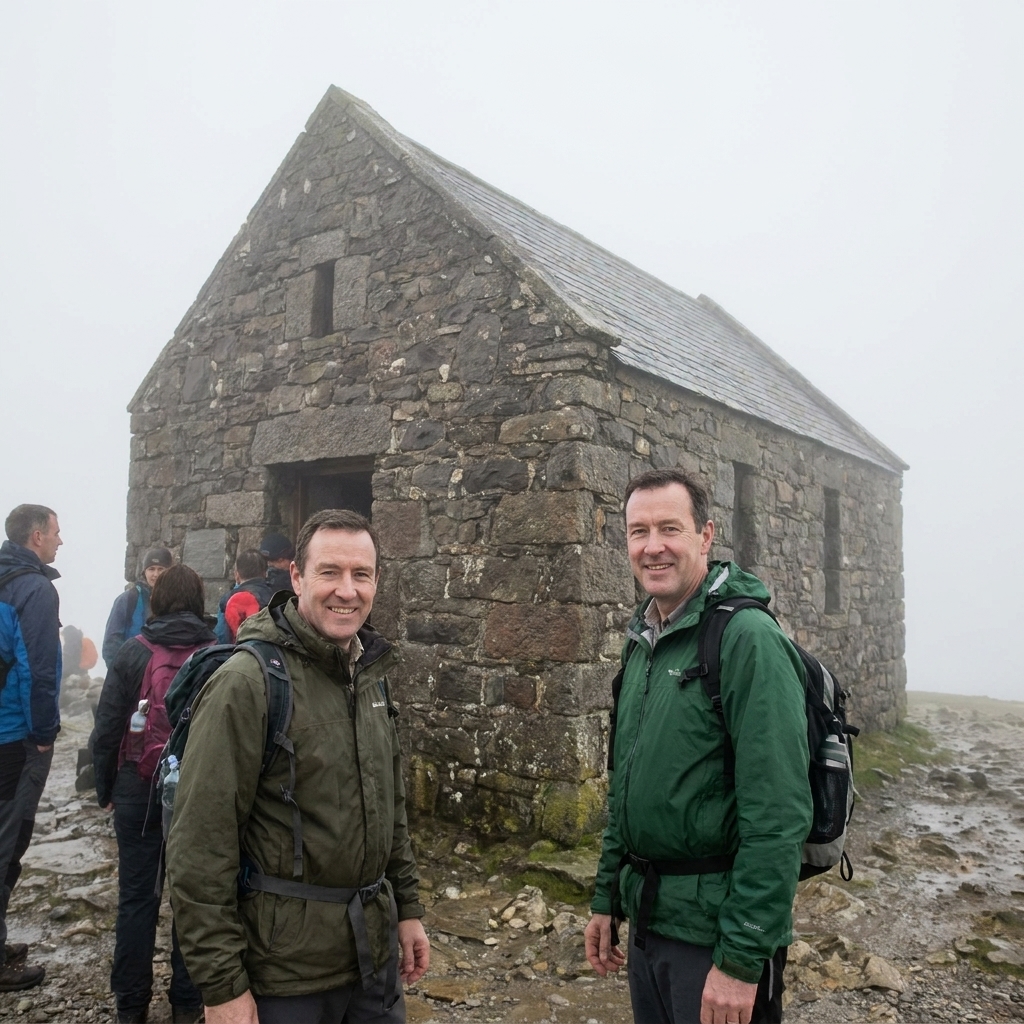
The small chapel on the summit is one of those Irish mountain sights that sticks in your head. In good weather, people linger. In bad weather, everyone huddles and shares the tiny bit of shelter with surprising kindness.
- Keep moving if the summit is crowded: Take your moment, your photo, and let others in.
- Mind the edge: In cloud, it is easy to drift without realizing.
- Respect pilgrims: Some people are doing this as a devotional climb, not a sporty day out.
Safety notes
Fog changes the mountain
In thick cloud, the “obvious” route can feel less obvious, especially when you are tired and the wind is pushing you around. If visibility is poor and the conditions feel beyond your comfort level, turning around is not failure. It is good judgment.
Wind is the sneaky danger
Rain looks dramatic. Wind is what knocks you off balance on loose stone. If you are being shoved sideways, lower your center of gravity, shorten your steps, and consider whether continuing up is worth it.
Know your daylight
March gives you more light than winter, but not enough to dawdle all afternoon. An early start buys you margin for slower hikers, weather pauses, and a careful descent.
Don’t do this
- Do not wear jeans or cotton hoodies. If they get wet, they stay wet, and you will feel it fast once the wind hits.
- Do not rely on phone signal. Treat it as a bonus, not a plan.
- Do not start late in the day. The mountain takes longer than you think, especially on the way down.
- Do not “push on” in bad visibility just to tick the summit. Croagh Patrick will still be there next time.
Getting there and facilities
The usual starting point is Murrisk, beside Croagh Patrick’s base and close to the National Famine Memorial. Westport is the classic base town nearby, with plenty of places to eat and sleep and a bit of craic afterwards.
- Start point: Murrisk is the standard access for the main route.
- By car: It is a straightforward drive from Westport, but on fine weekends parking can fill up, so earlier is easier.
- By public transport: Realistically, you will have a much simpler day with a car or a pre-arranged lift. Public options can be limited and seasonal.
- Facilities: Expect basic amenities at the base area, but there are no facilities on the mountain itself. Bring what you need and take your litter home.
If your St. Patrick’s itinerary also includes parades and city time, it is worth knowing what you are walking into. I wrote up a calm, realistic guide to surviving Dublin’s St. Patrick’s Festival, including how to avoid the worst pinch points.
After the hike
Once you are back at sea level, you will crave two things: warmth and something hearty. If you are self-catering, you could not do better than a bowl of comfort. I am biased, but a simple Irish dinner tastes like victory after Croagh Patrick.
- Traditional Irish stew when you want something restorative and unfussy.
- Authentic Irish soda bread to mop up whatever is left in the bowl.
Quick FAQ
How long does it take?
On the main Murrisk route, many people take about 3.5 to 5 hours return, including a breather at the top. In March, give yourself extra time for wind, wet ground, and careful footing, and plan for closer to 5 to 6 hours if conditions are slow.
Is it suitable for beginners?
It can be, if the weather is stable, you take the main route, and you treat it as a serious hike with proper footwear and layers. If conditions are icy or visibility is poor, it is not a beginner day.
Can I hike it on St. Patrick’s Day itself?
Yes, but the mountain does not care what the calendar says. Your decision should be based on the forecast, visibility, and what you are carrying. If you want a more relaxed celebration afterwards, consider a nearby small-town event instead of a packed city night. My favorite ideas are in how locals actually celebrate St. Patrick’s Day in Ireland.
Do I need crampons?
Most of the time, no. But in a cold March with ice on the upper slopes, the safest choice can be postponing the hike unless you have appropriate winter hillwalking experience and equipment. When in doubt, pick a lower, safer walk for the day and come back when conditions are better.