
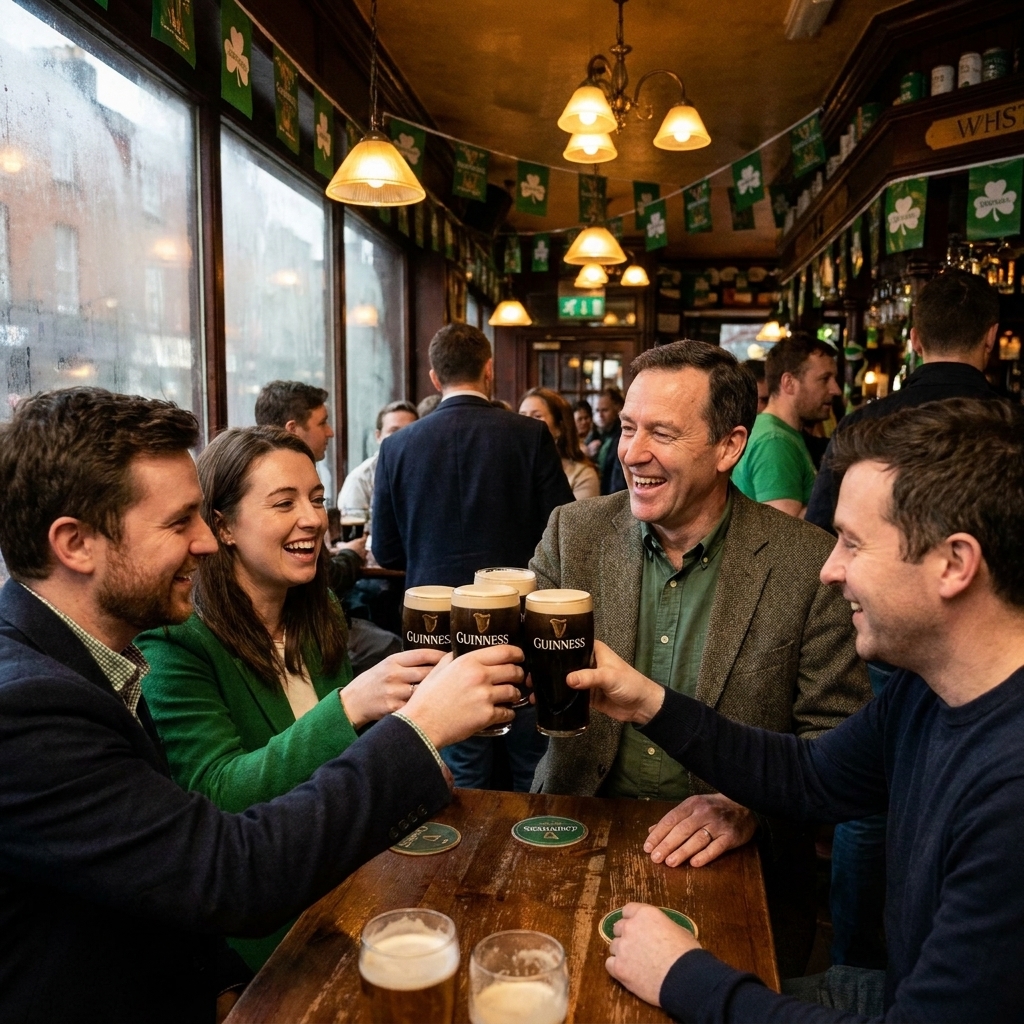
The first time I tried to toast in Irish, it was in a snug little pub where the fire was winning a long argument with the March drizzle outside. I lifted my pint, took a confident breath, and produced something that sounded like a sneeze trapped in a sweater. The old lad beside me did not even blink. He just grinned and said, “You’re close enough, so you are.”
That is the secret gift of Irish. Locals love the effort. If you can manage a few phrases and a half-decent attempt at the sounds, you will get smiles, corrections, and usually a story.
A quick note on “Gaelic” vs “Irish”
On the island, the language is usually called Irish or Gaeilge. “Gaelic” is not wrong in casual chat, but you will hear “Irish” far more often, especially when you are asking for a phrase.
One important thing before we get into pronunciations: Irish varies by region (Ulster, Connacht, Munster), and people speak fast in real life. The phonetics below are meant to be close-enough tourist phonetics, not a promise that every local will say it the exact same way.
Also, a tiny pronunciation lifesaver: Irish spelling is not trying to trick you. It is just playing by its own rules. Once you get used to fh usually being silent and bh/mh often sounding like a v or w, you are most of the way there.
How to pronounce Lá Fhéile Pádraig
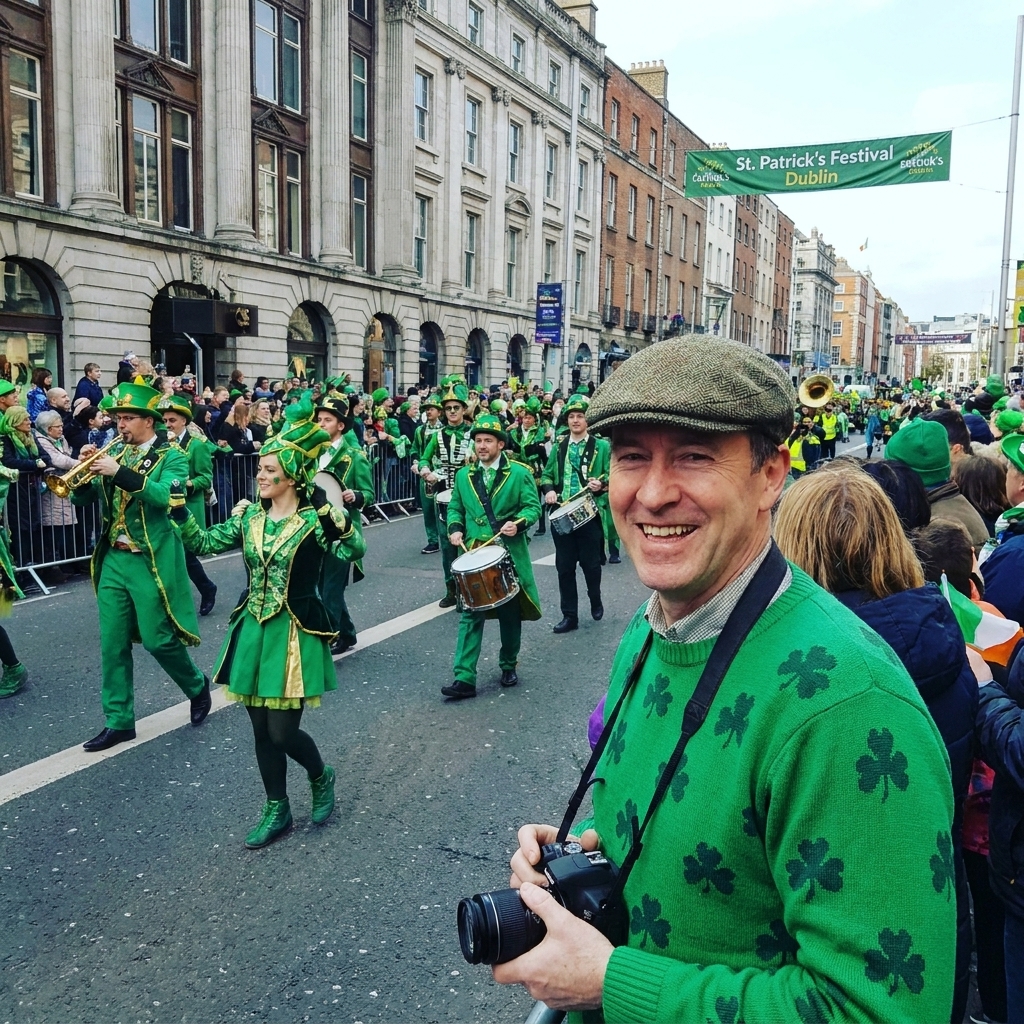
This one is everywhere around March 17, from parade posters to bakery windows.
- Irish: Lá Fhéile Pádraig
- Meaning: St. Patrick’s Day
- Say it like: “Law AY-luh PAW-rig” (you may also hear it closer to “PAW-drig”)
Tips that actually help: the fh is silent, so Fhéile is closer to “AY-luh” or “AY-leh” than anything with an F sound. And Pádraig is not “Pad-rag” with a hard ending. In everyday speech, it is usually softened.
If you are planning your day around parades, I have a full rundown of the holiday here: St. Patrick’s Day guide.
10 essential Irish toasts and greetings
These are the phrases I hear most often in pubs, on streets after parades, and around kitchen tables when someone is pouring “just the one” that turns into a second.
1) Sláinte
- Irish: Sláinte!
- Meaning: Health! (the classic cheers)
- Say it like: “SLAWN-cha” (sometimes “SLAWN-chuh”)
- When to use: Any toast, any drink, any time
This is the big one. If you learn only one phrase, make it Sláinte.
2) Sláinte mhaith
- Irish: Sláinte mhaith!
- Meaning: Good health!
- Say it like: “SLAWN-cha wah” (often heard roughly like this)
- When to use: A slightly more formal, slightly more heartfelt toast
Mhaith is one of those Irish spellings that looks fierce and sounds simple. The mh often behaves like a w sound.
3) Go raibh maith agat
- Irish: Go raibh maith agat
- Meaning: Thank you
- Say it like: Roughly “guh rev mah AG-ut” (and depending on accent, you may hear that middle bit lean more like “rev,” “rib,” or “riv”)
- When to use: When someone buys a round, gives directions, or helps you out
If you want the extra-polite version, you will also hear Go raibh míle maith agat, which is essentially “a thousand thanks.”
If someone replies to your thanks in Irish, a common answer is Fáilte (roughly “FAWL-cha”), meaning “you’re welcome.”
Bonus: the common Sláinte misfire
A friendly warning: after a couple of pints, “Sláinte” can tumble out as all sorts of nonsense. You will hear visitors say “Slawn-tee” or “Slan-tee.” Locals will still know what you mean. If you want to sound closer to the real thing, aim for that little ch sound in the middle. If you are curious about it, see the cheat sheet below.
4) Céad míle fáilte
- Irish: Céad míle fáilte
- Meaning: A hundred thousand welcomes
- Say it like: “KAYD MEE-luh FAWL-cha”
- When to use: Welcoming someone, or replying warmly when you are welcomed
You will spot this on signs outside plenty of pubs and B&Bs. It is a classic for good reason.
5) Dia dhuit
- Irish: Dia dhuit
- Meaning: Hello (literally “God to you”)
- Say it like: “DEE-uh gwit” (sometimes closer to “git”)
- When to use: A simple hello, especially in more traditional settings
This is one you might hear in the Gaeltacht, or from an older local who grew up with Irish around the house.
6) Dia is Muire dhuit
- Irish: Dia is Muire dhuit
- Meaning: Hello back (the traditional reply)
- Say it like: Roughly “DEE-uh iss MWIR-eh gwit” (with “Muire” shifting a bit by region)
- When to use: Replying to Dia dhuit
You do not need this to get by, but it is a lovely one to know. It is the sort of exchange that makes you feel like you stepped into an older Ireland for a moment.
7) Conas atá tú?
- Irish: Conas atá tú?
- Meaning: How are you?
- Say it like: “KUN-us uh-TAW too” (stress can shift slightly depending on who is saying it)
- When to use: Friendly chat, meeting someone, starting a conversation at the bar
The long á is the key here. Give it a full “aw” sound.
8) Go n-éirí an bóthar leat
- Irish: Go n-éirí an bóthar leat
- Meaning: May the road rise to meet you
- Say it like: “Guh NAY-ree un BOH-har lat” (close enough to land it)
- When to use: A send-off, a blessing, the end of a great night
You will sometimes hear this framed as an “old Irish blessing.” Whether it is ancient or more modern in popular form, it lands beautifully as a farewell.
9) Éire go Brách
- Irish: Éire go Brách
- Meaning: Ireland forever
- Say it like: “AIR-eh guh brawkh”
- When to use: Celebratory moments, singing, parades, big crowd energy
That last sound is the same throaty ch you hear in words like “loch.”
10) Bain sult as do lá
- Irish: Bain sult as do lá
- Meaning: Enjoy your day
- Say it like: “Bawn sult oss duh law”
- When to use: Parting ways after a chat, especially on St. Patrick’s Day
This is a great one for travelers because it is useful without being overly formal.
A mini pronunciation cheat sheet
- Fh is usually silent: Lá Fhéile sounds like “Law AY-luh.”
- Bh/Mh often sounds like v or w: mhaith becomes “wah.”
- Ch is a soft, throaty sound: think “loch,” not “chair.”
- Á is a long “aw”: atá is “uh-TAW.”
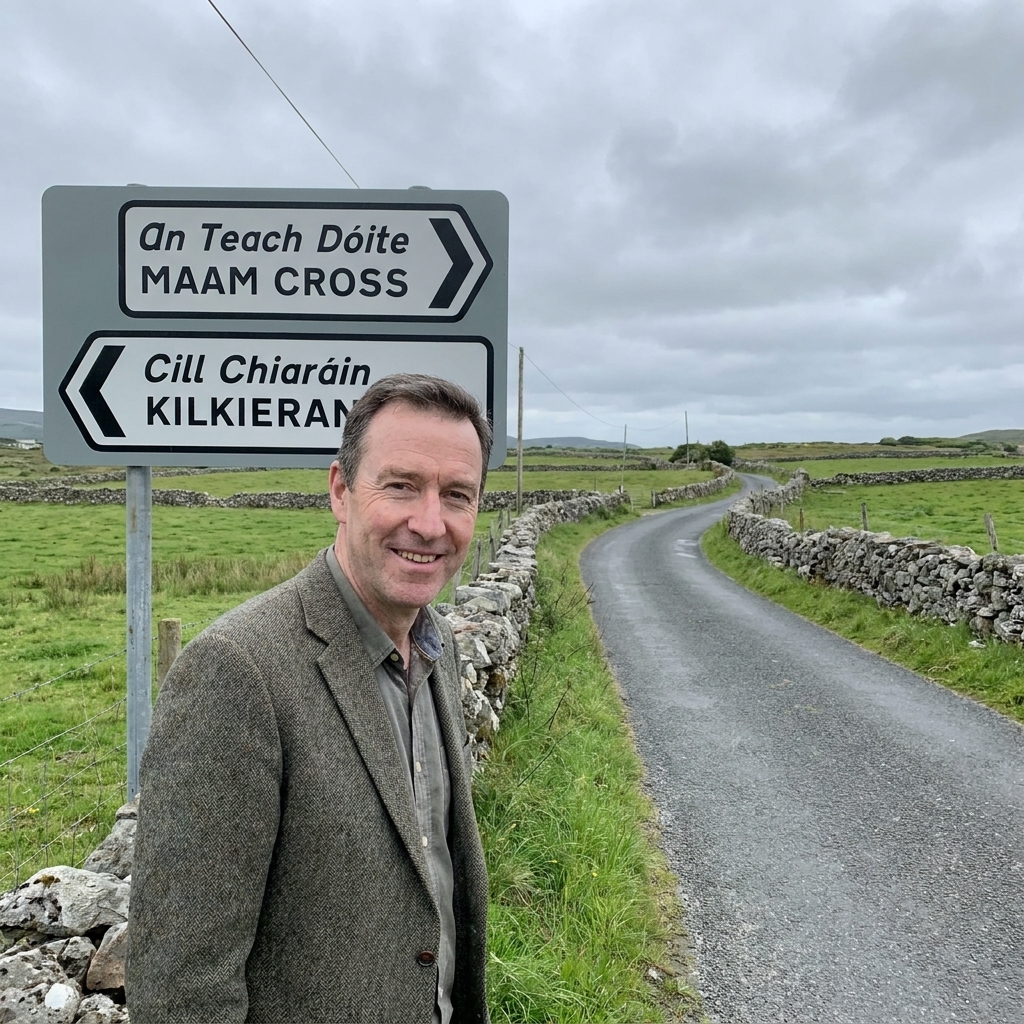
If you want to have extra fun with Irish in the wild, road signs are a sneaky good classroom: Reading Irish road signs and Gaelic place names.
How to use these phrases naturally
I have watched plenty of visitors do the “big Irish toast” in a pub, loud enough to rattle the windows, like they are auditioning for a film. You do not need all that. Irish lands best when it is simple and sincere.
- Start with Sláinte. Make eye contact, clink if it is natural, and take a sip.
- Add one extra phrase. “Go raibh maith agat” after someone buys a drink goes a long way.
- Do not force it. In a packed, roaring pub, your best Irish might be a smile and a nod. Save the phrases for when someone can actually hear you.
- Ask for help. If you say, “How do you say this properly?” you will often get a full lesson and a laugh.
And if your St. Patrick’s Day plans involve choosing where to celebrate, I have thoughts: Dublin vs Galway: which St. Patrick’s Day parade should you attend?
Quick toast ideas
If you want something you can deliver cleanly without getting tongue-tied, try one of these:
- “Sláinte!” Simple, perfect, universally understood.
- “Sláinte mhaith, a chairde.” Good health, friends. (Often said roughly like “uh KHAR-juh.”)
- “Bain sult as do lá, agus sláinte!” Enjoy your day, and health.
A small note on pub culture: nobody expects a speech. In plenty of places, the toast is one word and the conversation keeps rolling.
FAQ
Is it “Happy St. Patrick’s Day” in Irish?
You will hear a few versions. The simplest, safest thing is to say Lá Fhéile Pádraig sona duit (Happy St. Patrick’s Day to you). Most locals will also happily accept a cheerful Lá Fhéile Pádraig! on its own.
Do Irish people actually speak Irish on St. Patrick’s Day?
Some do, especially in Irish-speaking areas and among people who use Irish day to day. In most pubs in the cities, English dominates, but Irish phrases pop up constantly around the holiday. Even one or two words can spark a great chat.
What is the best response to “Sláinte”?
Usually, you just say Sláinte back. If you want to level up, Sláinte mhaith is a friendly reply.
Any other cultural tips?
Yes. Pace yourself, eat something proper, and do not underestimate the weather. March can give you four seasons before lunch. If you want a realistic preview, I wrote about it here: the truth about Irish weather.