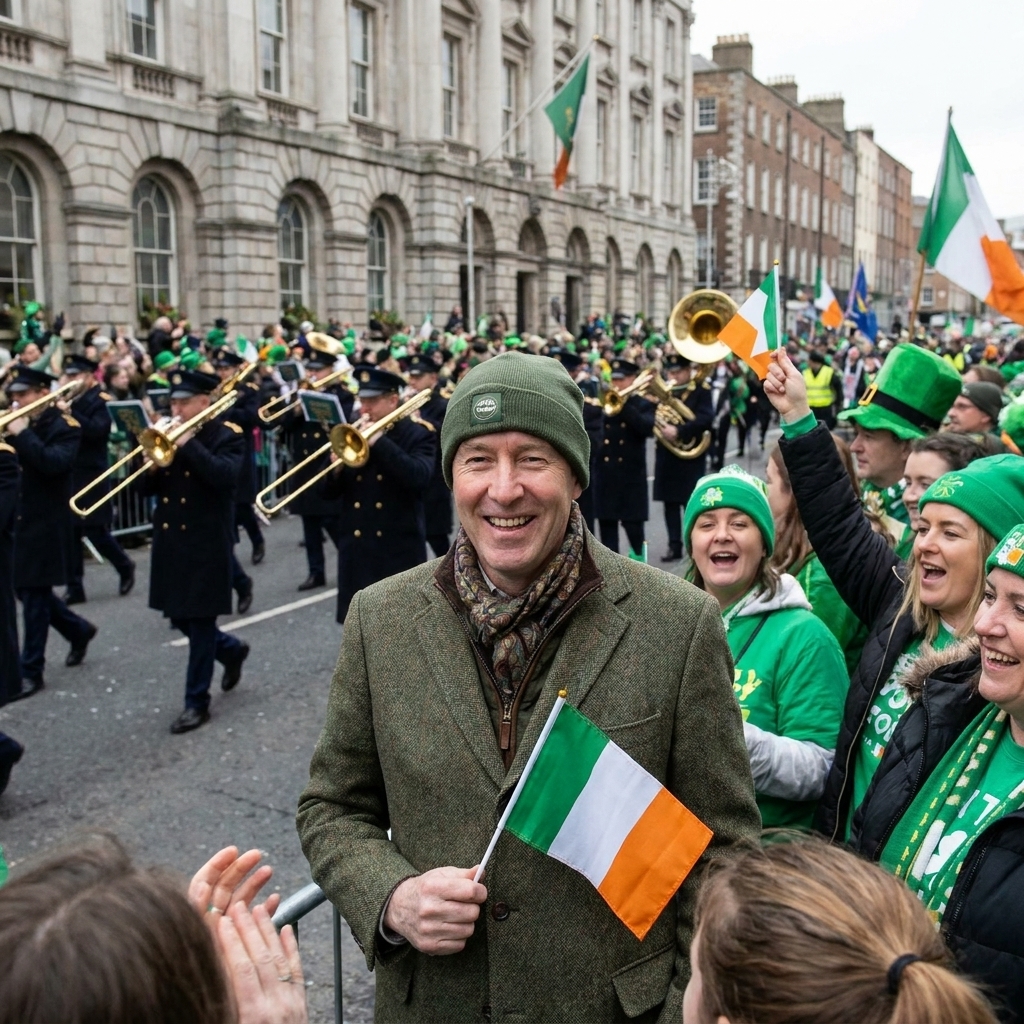


I learned this the hard way years ago in my campervan days: St. Patrick’s Day in Ireland is not just a party. It is also a proper public holiday (what most of us casually call a bank holiday), which means the island runs on a slightly different rhythm. Sometimes that rhythm is brilliant (a small town parade you did not plan for). Sometimes it is you, hungry at 6 pm, discovering the museum café you were counting on has shuttered early.
If your itinerary lands on March 17, this guide will help you plan around closures, tweaked public transport schedules, and the knock-on effects that ripple into the day before and the day after.
What the public holiday actually means
St. Patrick’s Day is one of Ireland’s main public holidays. In practical terms, it usually means:
- Many offices and public services close or run limited hours.
- Public transport often runs a Sunday or public holiday timetable, with fewer services and later starts on some routes.
- Visitor attractions vary: some major sites open as normal, some shorten hours, and some close entirely.
- Parades and road closures can make getting around city centres slower than you expect, even if everything is “open.”
One important nuance: even when the doors are open, staffing can be lighter. That can mean longer queues, fewer tours, or last entry earlier than usual.
Quick note on Northern Ireland: if you are travelling across the border, public holiday arrangements and transport operators can differ. Treat March 17 there as a special day too, and double-check timetables and opening hours locally.
Typical closures: what’s usually shut (and what isn’t)
I cannot promise what every single place will do in every county each year, but these are the patterns you can plan around fairly confidently.
Usually closed or reduced
- Banks (closed)
- Government offices and many public counters (closed)
- Some smaller museums, heritage centres, and privately run attractions (often closed or reduced hours)
- Some tour operators (they may run limited departures, or switch to special parade-focused tours)
Often open (but expect crowds)
- Pubs, restaurants, cafés (many open, some with special hours and packed rooms)
- Supermarkets and convenience shops (often open with shorter hours)
- Big-ticket attractions in major tourist areas (frequently open, but check hours)
- Petrol stations (open, but remote rural stations may close earlier)
If you are building a day around one must-see site, check its opening hours for March 17 specifically. Do not assume “normal seasonal hours” apply.
Public transport: plan for a holiday timetable
The most common St. Patrick’s Day travel mistake I see is treating March 17 like any other weekday. It rarely is. On the public holiday, many services run on a Sunday or public holiday schedule, although the exact changes depend on the operator and the route.
Buses and coaches
- Often fewer departures, especially on regional routes.
- Sometimes later first services in the morning.
- City centre diversions around parade routes, which can move stops or make journeys longer.
Trains
- Many routes run a revised timetable on public holidays, which can mean reduced frequency at certain times.
- Stations can be busy after parades and events, with a very “everyone is heading home at once” feel.
Taxis and rideshares
- Demand spikes around parade end times and later evening peaks.
- Road closures can make short trips surprisingly slow.
My rule: if you must make a connection on March 17, build in extra slack time and have a backup plan. If your trip depends on tight timing, do that travel day on March 16 or March 18 instead.
Road closures and parking

Even if you have a rental car and you are avoiding the big parade cities, St. Patrick’s Day can still tangle your route.
- Town centres may close roads for local parades, often for a few hours around midday.
- Parking fills early, especially anywhere near a parade route or popular pub cluster.
- Maps apps can lag behind temporary closures. Locals, stewards, and signage are often more reliable in the moment.
If you are driving, aim to arrive before late morning, park a bit outside the centre, and walk in. You save yourself the slow spiral of circling for a space while the parade is literally already starting.
If you roll into a city during closures: do not try to “push through” to your hotel door. Head for a ring-road car park (or any open multi-storey you spot), then walk in or use whatever bus stops are still operating. In parade windows, stops can be relocated, so look for temporary stop notices and follow the steward directions.
How closures affect common itineraries
City break (Dublin, Galway, Cork)
If you are doing a city-focused trip, St. Patrick’s Day can be fantastic, but plan on slower movement and fewer quiet moments. If you want a calmer celebration, I keep a list of alternatives here: 7 best small town St. Patrick’s Day celebrations to escape Dublin crowds.
If you do choose Dublin, it is worth reading this before you lock in plans: Surviving Dublin’s St. Patrick’s Festival.
Road trip day
March 17 is rarely my favourite day to do a long cross-country drive with a checklist of stops. Fuel up the day before, buy snacks in advance, and assume at least one “quick museum stop” will be closed.
Day trips to islands and coastal spots
Ferries and island services can be sensitive to both weather and holiday timetables. If you are eyeing the Aran Islands, plan ahead and keep your day flexible: Day trip to the Aran Islands: ferries, bikes, and Dún Aonghasa.
What to do on the public holiday
If March 17 lands in the middle of your trip, I like to treat it as a “flow with the day” moment. A few public-holiday-proof ideas:
- Pick one parade, then build your day around it rather than trying to squeeze it between booked attractions.
- Do a coastal walk or a town-to-town ramble, then warm up with food and music.
- Visit a viewpoint or short hike that is always open: cliffs, beaches, forest trails.
- Lean into the pub culture thoughtfully: arrive early, eat earlier than you normally would, and know when to call it a night.
And if you want to blend in without trying too hard, my favourite little “local” skill is knowing your toast: How to toast in Gaelic: 10 essential Irish phrases.
Simple planning tips
1) Put your “must-see” attraction on March 16 or March 18
That is the biggest win. Use March 17 for parades, walking, and wandering. Use the surrounding days for timed entry tickets and long museum visits.
2) Confirm opening hours on the official site, not a review listing
Review platforms are notorious for showing normal hours when holiday hours have changed.
3) Book accommodation early
Prices and availability can swing wildly around St. Patrick’s week, especially in parade towns.
4) Eat earlier than you think
Kitchens can be slammed. A late lunch beats a 9 pm hunger mission when half the town has the same idea.
5) Have cash and a backup payment option
Banks are closed. ATMs can run out in very busy areas. Card payments are normal, but it is smart to have a little buffer.
Quick checklist
- Transport: expect a Sunday or holiday timetable in many places, and diversions near parades.
- Attractions: verify March 17 hours directly with the attraction.
- Roads: assume town-centre closures around midday parades.
- Food: eat earlier and keep snacks on hand.
- Itinerary: move “must-do” items to March 16 or 18 if you can.
FAQ
Do things close in Ireland on St. Patrick’s Day?
Yes, many do. It is a public holiday, so banks and offices close, and some smaller attractions shut or run shorter hours. Pubs and many restaurants are usually open, but expect crowds and altered schedules.
Does public transport run on St. Patrick’s Day?
Usually yes, but many services run a Sunday or public holiday timetable. That typically means fewer services on some routes and potential city-centre diversions for parades. Check operator notices close to the day.
Is it a bad day to travel between cities?
It can be inconvenient rather than impossible. If you can choose, I prefer travelling on March 16 or March 18 and keeping March 17 more local.
Should I avoid Dublin on St. Patrick’s Day?
Not necessarily. Dublin can be electric and memorable, but it is busy, pricier, and slower to move around. If you want a friendlier pace, consider smaller towns instead. Start here: small town St. Patrick’s Day celebrations.
What should I wear for the weather and crowds?
Layers you can peel on and off, comfortable shoes, and a waterproof outer layer. Ireland loves a surprise shower, especially when you are standing curbside for a parade. I get into the specifics here: what to wear in Ireland on St. Patrick’s Day.
A final word from the road
When I look back on St. Patrick’s Days I have spent around the island, my favourite memories are never the perfectly timed museum visits. They are the small-town brass band that appeared out of nowhere, the chat with an old lad outside a pub in the drizzle, the sudden realisation that half the county is in a festive mood and the other half is quietly enjoying the day off.
Plan for closures, give yourself breathing room, and you will have the sort of day that feels like Ireland, not like logistics.
If you are still building your week, my full hub is here: St. Patrick’s Day guide.