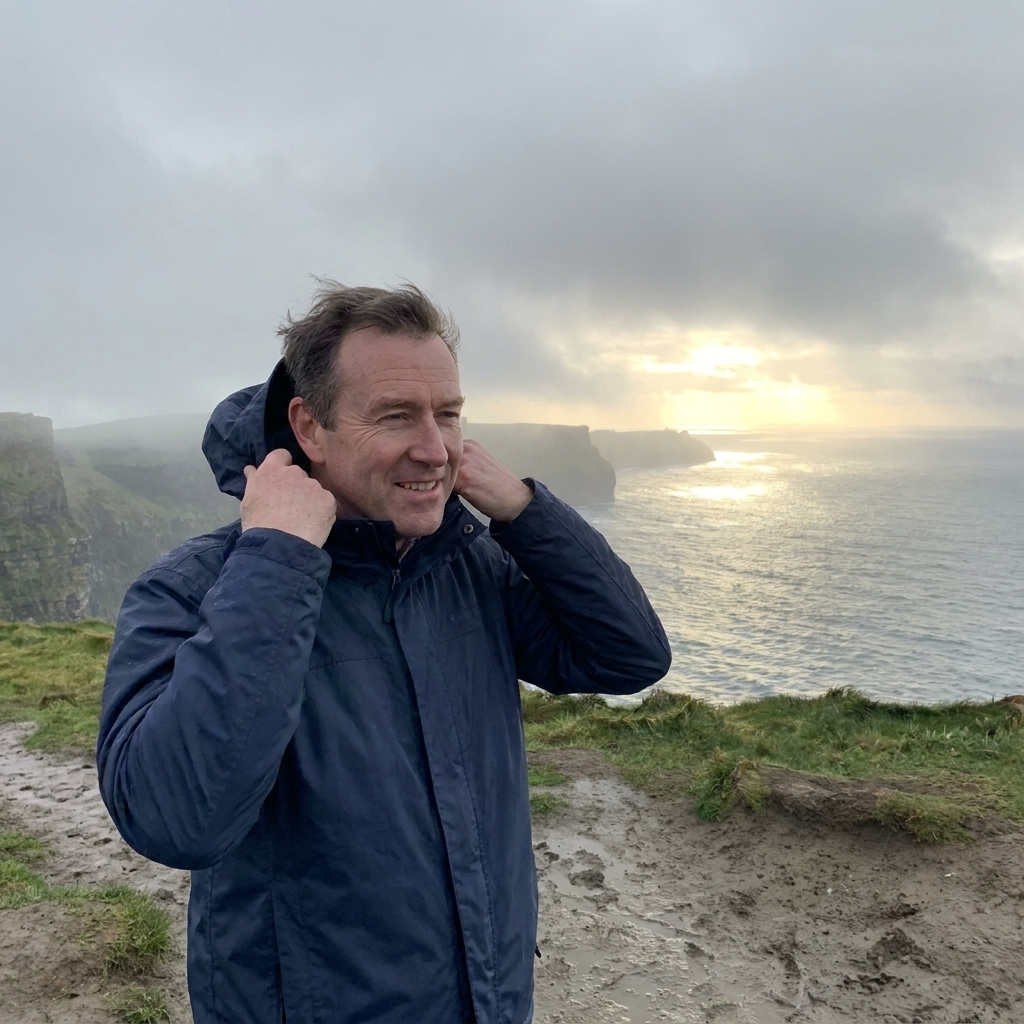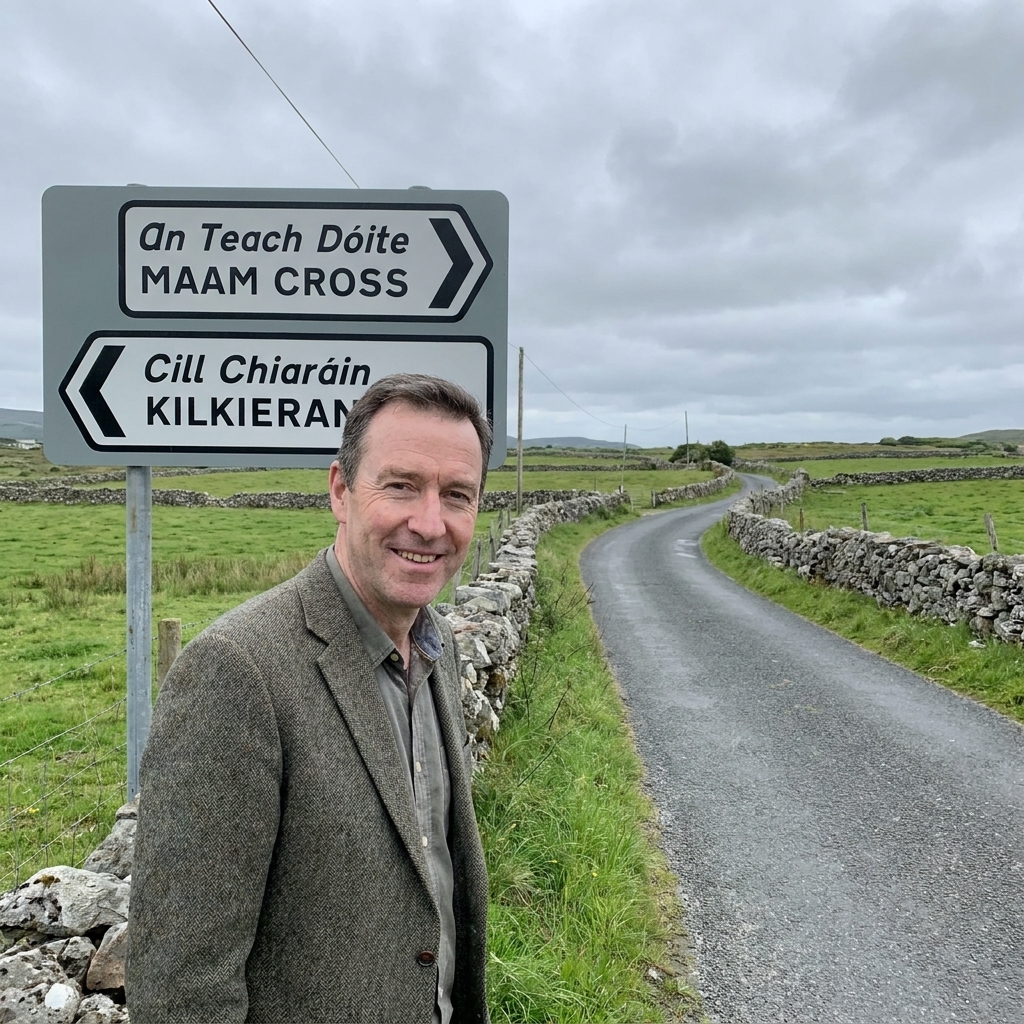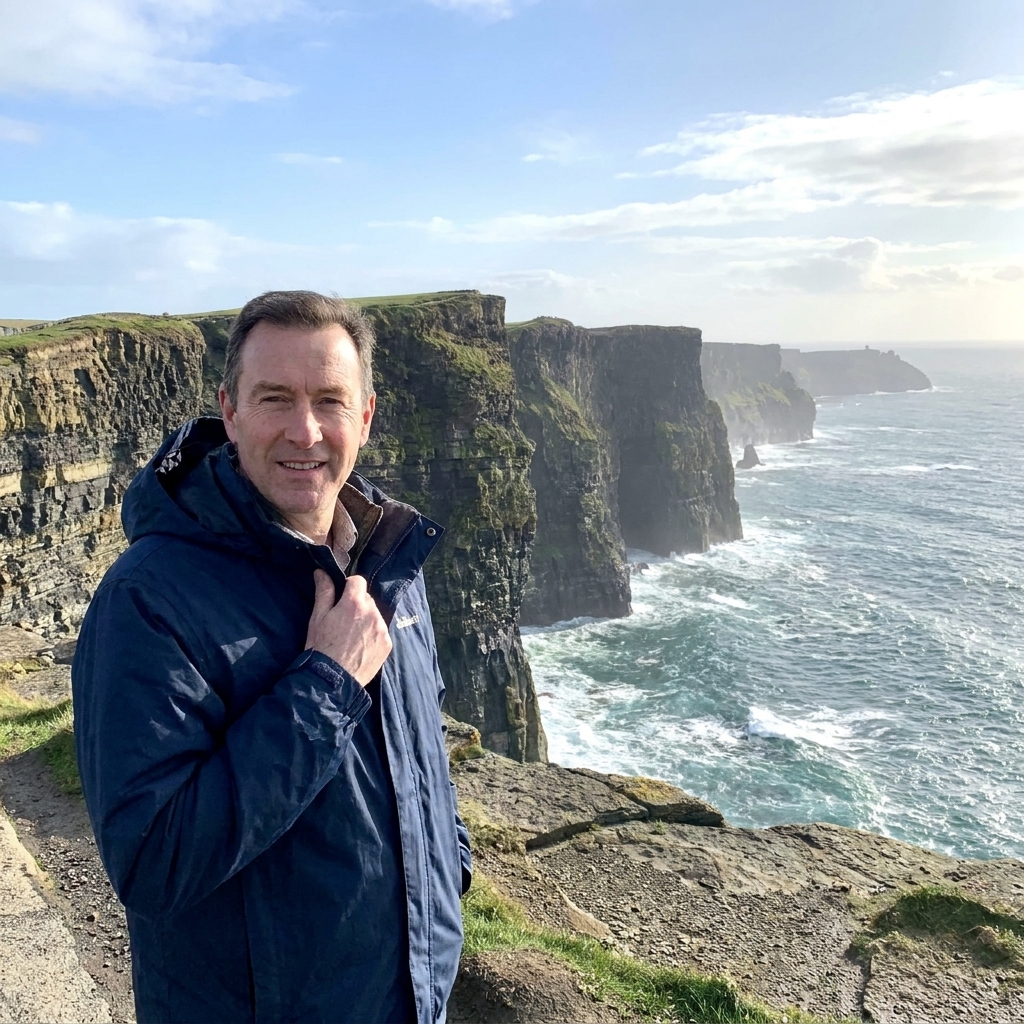

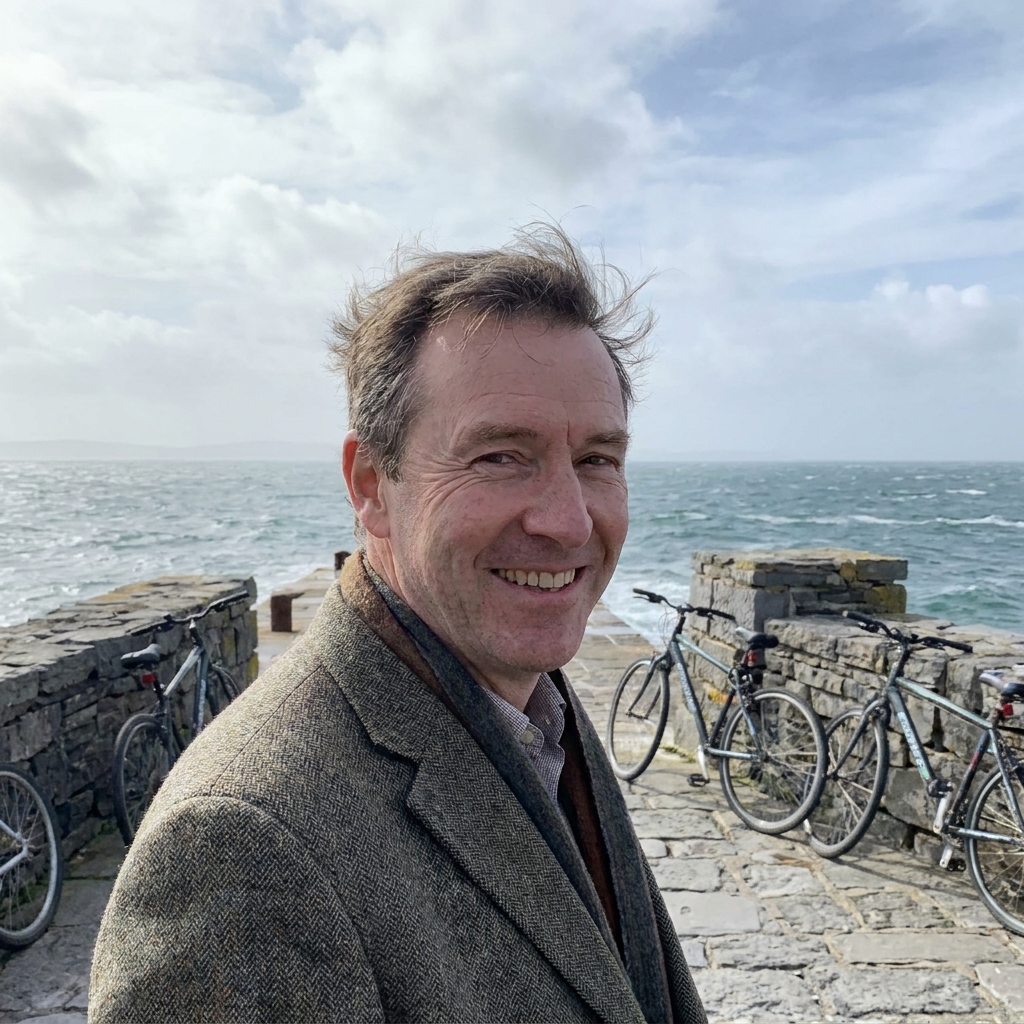
The first time I set foot on Inis Mór, the wind had that clean Atlantic bite and the stone walls looked like they had been stitched across the island by patient hands. Within ten minutes I was wobbling off the pier on a rented bike, grinning like an eejit, and wondering why I had not done it sooner.
If you are eyeing up a day trip to the Aran Islands and you want it to feel smooth instead of frantic, this is the plan I give friends: how to get there, how to grab a bike without fuss, and how to spend your hours between ancient forts, limestone lanes, and the kind of sea views that make you go quiet mid-sentence.
Pick an island
The Aran Islands are three inhabited islands sitting at the entrance to Galway Bay, between the Galway and Clare coasts. For a first day trip, I usually nudge people toward Inis Mór because it has the most cycling routes, the best-known fort (Dún Aonghasa), and enough variety to fit in one or two quieter stops without rushing.
- Inis Mór (Inishmore): biggest island, most sights, best for a first visit and for cycling.
- Inis Meáin (Inishmaan): smaller, quieter, wonderfully scenic. Great if you want fewer people and a slower pace.
- Inis Oírr (Inisheer): smallest, very charming, easy to cover in a short day. Lovely on a calm weather day.
One small tip that saves the whole day: if you are the sort who likes lingering in one place, do not try to island-hop in a single day. The sea decides the mood out here, and it is far more relaxing to commit to one island and enjoy it properly.
For more ideas on Irish places that reward a slower pace, I wrote up a similar mindset in Plan an Unhurried Day in an Irish Town.
Step 1: Get to the ferry
Most day trippers go by ferry. Your two main jumping-off points are:
- Rossaveel (Ros a’ Mhíl), Connemara: the most straightforward ferry option for Inis Mór and the other islands.
- Doolin, County Clare: another popular departure point, especially if you are already on the Clare side.
Which should you choose? If you are staying around Galway city or Connemara, Rossaveel tends to make life easier. If you are touring the Burren, the Cliffs of Moher area, or Clare in general, Doolin can be the neat fit.
My timing rule
This is a rule of thumb, not a law of nature, but it has saved me more than once: aim to arrive at the departure pier at least 30 minutes early, and in peak season I prefer 45 minutes. Parking, queues, and the classic “where did I put that confirmation email” moment all eat time.
What about flying?
There are flights from Connemara Airport (near Indreabhán) to the islands as well, and they are a brilliant experience in good weather. For a simple first day trip, though, ferries keep things predictable and give you that proper island-arrival feeling.
If you want an official starting point for schedules and practical info, you can check the islands overview on Discover Ireland.
Step 2: Pick sailing times
The best day trip is the one where you are not watching the clock every five minutes. When you are booking or planning your crossing:
- Take an earlier sailing out so you have real time on the island.
- Avoid the very last return if you can. The sea can turn, delays happen, and you do not want to be cycling back in a panic.
- Build in a buffer: I plan to be back at the pier on the island at least 20 to 30 minutes before departure.
Also, do yourself a favour and peek at the forecast the night before. Irish weather is a character in its own right, and the Aran Islands get the full performance. If you want my plain-English read on it, have a look at The Truth About Irish Weather.
One more practical note: sailings can be cancelled or delayed in rough conditions. If it is very windy, keep a flexible head on you and do not build a tight chain of connections for the evening.
Step 3: Rent a bike
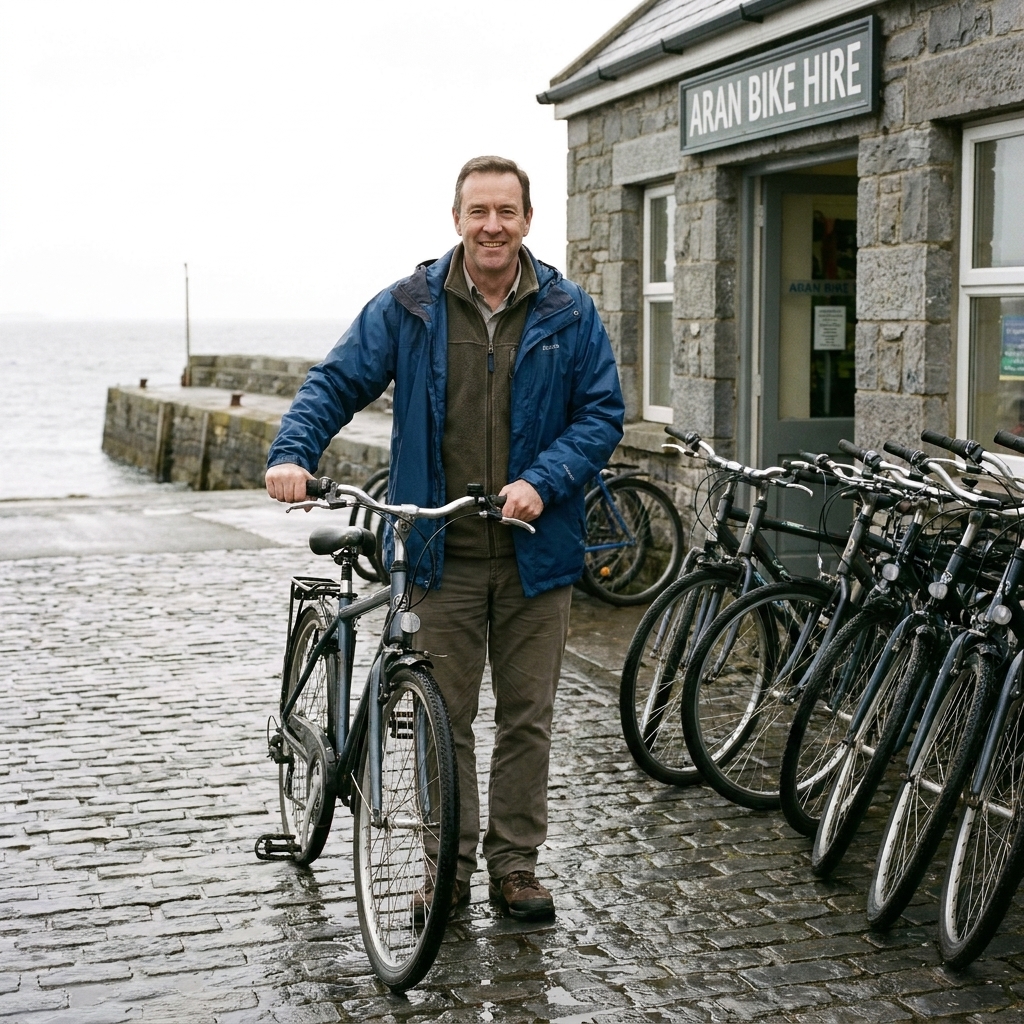
On Inis Mór especially, cycling is the sweet spot. It is fast enough to cover ground and slow enough to notice the island: a cottage garden tucked behind a wall, a donkey watching you like it is judging your gears, the sudden blue flash of sea between fields.
How bike hire works
- Bike rentals are clustered near the main pier where the ferries land. You will see them as you step off.
- Pick your ride: standard bikes are common, and e-bikes are often available too.
- Do a 30-second check before you roll: brakes, tyre pressure, gears, and the seat height.
- Ask for a lock and use it. Even on small islands, bikes wander when left loose.
Helmet and road sense
If a helmet is available, wear it. Roads can be narrow, surfaces can be rough in spots, and loose gravel has a way of appearing exactly when you relax. Cycle like you belong there, but keep your wits about you.
What to wear and bring
- A light waterproof layer you can actually pedal in.
- Something warm even in summer. The wind does not mess about.
- Water and a snack for the stretch out to Dún Aonghasa and back.
- Cash or card depending on the shop. (I carry a bit of cash anyway, just in case.)
Step 4: Dún Aonghasa
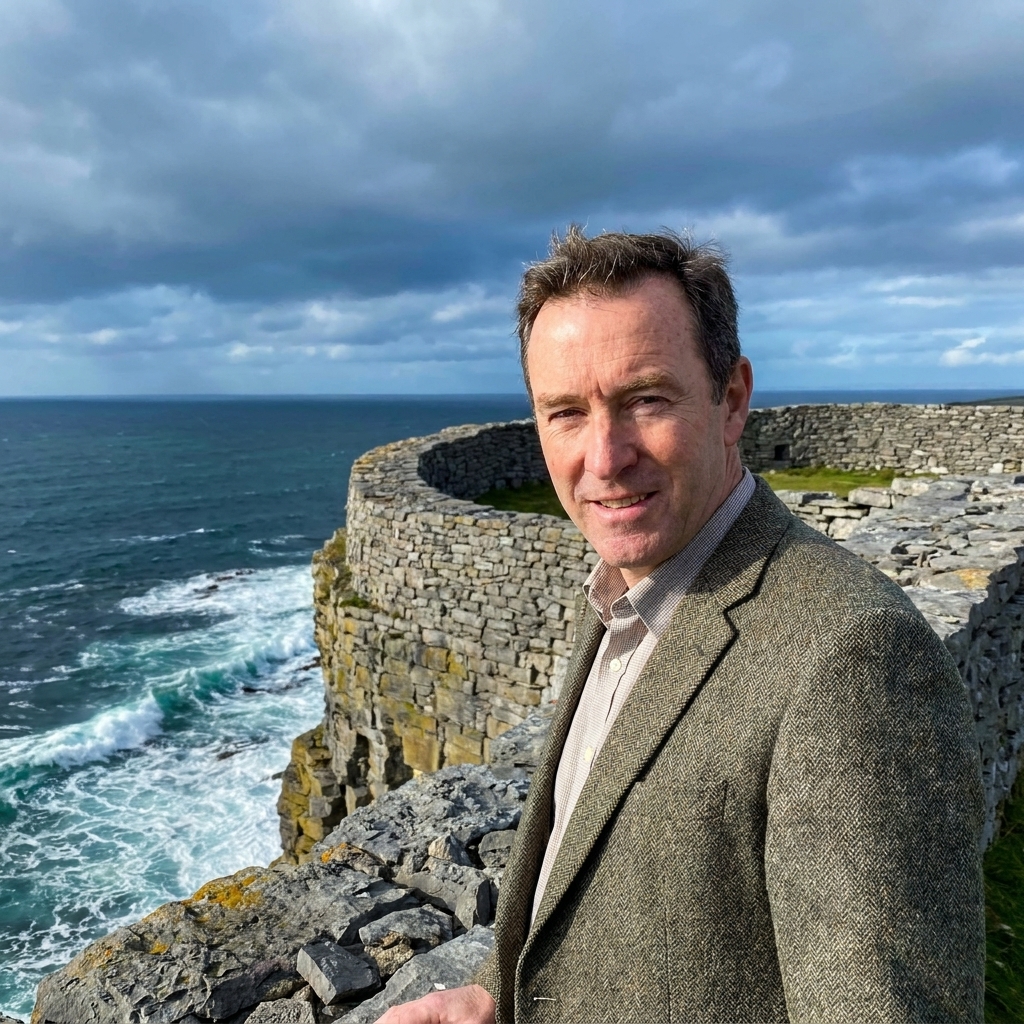
If you only do one historic site on Inis Mór, make it Dún Aonghasa. It sits on the edge of the cliffs like a stone crown, and even if you have seen photos, the scale hits differently in person.
Getting there by bike
You will cycle part of the way and then finish on foot. The last section is a walk up from the entrance area toward the fort. It is not a technical hike, but it can be uneven and windy, so wear shoes with grip and take your time.
My cliff-edge safety note
The cliffs here are sheer, and the wind can be strong enough to make you stagger. Stay well back from the edge and keep an eye on kids at all times. I have seen perfectly sensible adults get a bit too brave for a photo and regret it instantly.
How much time to allow
- Minimum: about 1.5 to 2 hours total, depending on your pace, the wind, and where you start from.
- Comfortable: 2.5 to 3 hours if you want to take it slow and let the place sink in.
A route that feels easy
This is my go-to structure for a first visit to Inis Mór. It keeps the big sight as the anchor, but leaves room for small island moments.
Morning: land and roll
- Step off the ferry and rent bikes immediately.
- Cycle at an easy pace to settle in, then start making your way toward Dún Aonghasa.
- Stop when something catches your eye. On the Aran Islands, that is often a view down a lane, a ruin in a field, or the sea suddenly appearing between stone walls.
Midday: fort and a warm break
- Lock the bikes and walk up to the fort.
- Afterwards, give yourself time for food and a warm drink. The wind does not care how fit you are.
Afternoon: add one extra stop
If you try to do everything, you will remember less. Pick one extra place that suits your mood and your legs:
- Kilmurvey Beach: a beautiful sandy stretch that feels like a reward after the fort. Even if you do not swim, it is a grand place to sit and watch the light change.
- The Seven Churches: a classic, atmospheric early Christian site that makes you slow down without trying.
- Dún Eochla: another stone fort, usually quieter than Dún Aonghasa, and a good one if you want the ancient feel without the cliff-edge drama.
- Poll na bPéist (the Worm Hole): famous, strange, and striking, but only go if conditions are calm and you are steady on your feet. The rocks can be slippery and the Atlantic is not forgiving. Treat it with respect and do not go near it in rough weather.
Late afternoon: turn back early
- Point yourself back toward the pier with plenty of time to spare.
- Return the bike, stretch your legs, and grab a last look at the harbour before boarding.
If you are not cycling
Not everyone wants a bike, and on a wet or very windy day I completely understand. You have options:
- Mini-bus tours: these often depart near the pier and can bring you to major sights without the pedalling.
- Walking locally: even a short walk from the main settlement area can give you quiet lanes and big skies.
If you do skip the bike, I would still keep the core idea the same: one main historical highlight, one extra stop, and time to sit with the view instead of racing it.
Facilities and basics
Plan for a little island simplicity. You will find services around the main arrival area, but things can be more limited once you cycle out, especially outside peak season.
- Toilets: usually easiest to sort near the pier and around the main visitor spots. Do not leave it too late before the long cycle.
- Food: there are places for a bite, but opening hours can vary by season and by day. A snack in your bag saves hassle.
- Mobile signal: it is generally fine, but it can dip in pockets. Do not rely on your phone as your only plan.
What to pack
- Light rain jacket and a warm layer.
- Comfortable shoes with grip for the walk up to Dún Aonghasa.
- Water and a snack.
- Sunscreen. Windy does not mean you will not burn.
- Small first-aid basics like plasters, especially if you are cycling.
- A phone power bank if you take a lot of photos or rely on maps.
Quick tips
- Start early. It buys you calm roads and more island time.
- Lock your bike whenever you hop off, even for two minutes.
- Respect the wind at the cliffs. It is not dramatic, it is just sensible.
- Give yourself a buffer for the return ferry. The best day trips end relaxed, not breathless.
- Do not over-plan. The Aran Islands reward wandering.
If your trip includes driving on either side of the bay, it can help to brush up on place names and Irish spelling. I keep a handy explainer here: Reading Irish Road Signs and Gaelic Place Names.
FAQ
Which Aran Island is best for a day trip?
Inis Mór is the easiest choice for a first day trip because you can combine cycling with major historic sights like Dún Aonghasa and still have time to roam.
How long do you need on Inis Mór to see Dún Aonghasa?
Plan on at least 2 hours for the full out-and-back experience including cycling, the walk up, and time at the fort. If the wind is strong or you like taking photos, give yourself longer.
Is Dún Aonghasa hard to reach?
It is not technically hard, but it is exposed and windy, and the final approach involves walking up an uneven path. Wear proper shoes and take your time.
Can you do the Aran Islands without a bike?
Yes. You can join a local mini-bus tour or keep your day centred around shorter walks near the main settlement. Cycling is my favourite, but it is not the only way.