

The first time I drove the Wild Atlantic Way, I thought I was signing up for a scenic coastal road with a few photogenic pull-offs. What I got instead felt like driving along the edge of a living storybook: rock that, in places, is older than most life on Earth, beaches that vanish and reappear with the tide, famine-era roads that climb into the clouds, and villages where the Atlantic still sets the daily rhythm.
Here are 10 facts that will change how you look at Ireland’s west coast, whether you’re planning your first loop in a rental car or returning for a slower, salt-air-soaked round two.
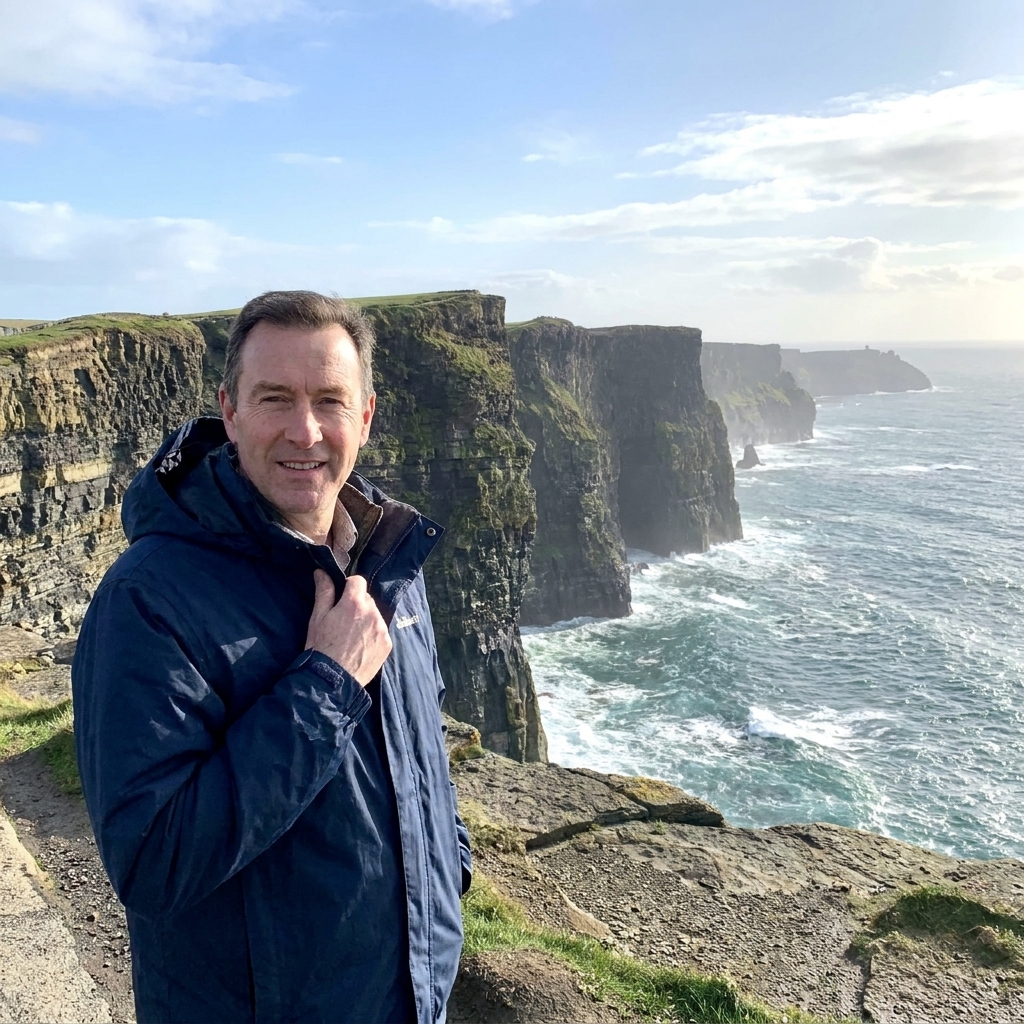
1) It’s not “a road”, it’s a defined coastal route
The Wild Atlantic Way is a signed touring route that stitches together existing roads and peninsulas along Ireland’s western edge, commonly described as running from Inishowen in Donegal down to Kinsale in Cork. That sounds simple until you are on the ground and realize what it really means: you are constantly choosing between the fast option (often inland) and the Atlantic option (often slower, narrower, and far more memorable).
If you want to keep the trip feeling like the Wild Atlantic Way in spirit, I plan days around peninsulas rather than distance. One peninsula can easily be a full day if you stop for beaches, viewpoints, short hikes, and a bowl of chowder that turns into a long chat.
For more island context before you go, start with the site’s Ireland overview at Ireland Facts.
2) Some west coast rock is staggeringly ancient
When you pull over and put a hand on the stone in parts of Donegal, Mayo, or Connemara, you are not just touching “old rock”. In some places, you are touching geology formed deep in Earth’s past, long before dinosaurs and long before complex life looked anything like it does now.
On the west coast, you will see:
- Metamorphic rocks that were once buried and cooked under immense pressure, then lifted back up.
- Sea stacks and cliffs that reveal layers like a sliced loaf, except the loaf is made of time.
- Glacially shaped landscapes where ice did the carving before the sea did the polishing.
You do not need a geology degree to feel it. You just need to pause long enough to notice the textures and bands in the rock, and to realize the Atlantic is still working on it, wave by wave.
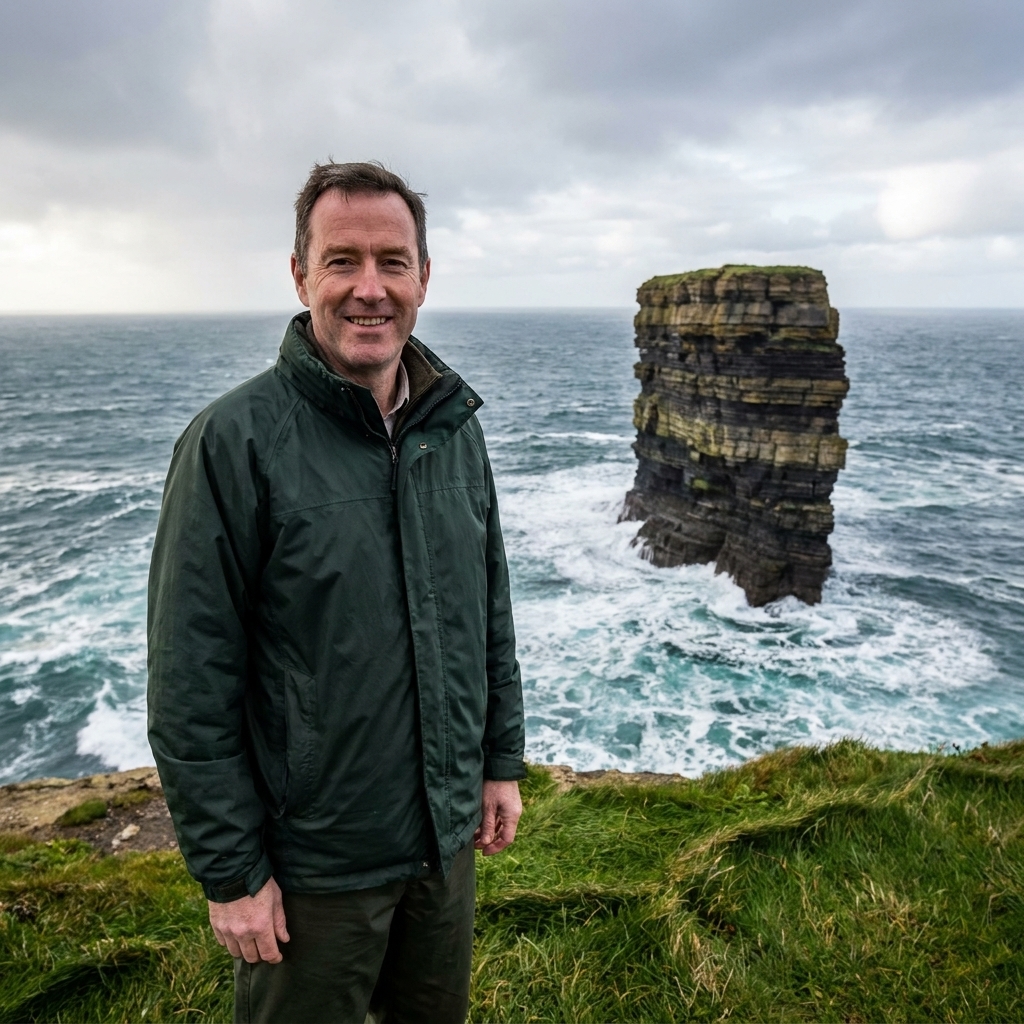
3) The cliffs are a cross-section of time
People come to the Cliffs of Moher for the scale, and fair enough. But the real trick is to look at them as a history book written in layers. Cliffs across the west coast expose different rock types and ages, and they make the invisible visible. You can literally see the structure of the landscape that shaped where people farmed, where they built, and where they could not build at all.
My favorite way to do it is this: pick one stretch of cliff, then spend five minutes noticing what changes from top to bottom, and from one headland to the next. The coast starts to feel less like “pretty scenery” and more like a living archive.
4) The Atlantic decides the beach you get
On the west coast, beaches can look like different places depending on the day you arrive. Tide height, storm swell, and wind direction can change everything from the color of the water to how wide the strand feels. You might show up expecting a long stroll and find the sea has claimed half the sand, or arrive after a proper Atlantic blow (a storm) and see fresh seaweed lines like the ocean has underlined the shore.
A local rule I learned the slow way in a campervan: if the sea looks moody, treat it as moody. The Atlantic does not do gentle instructions. It does firm reminders.
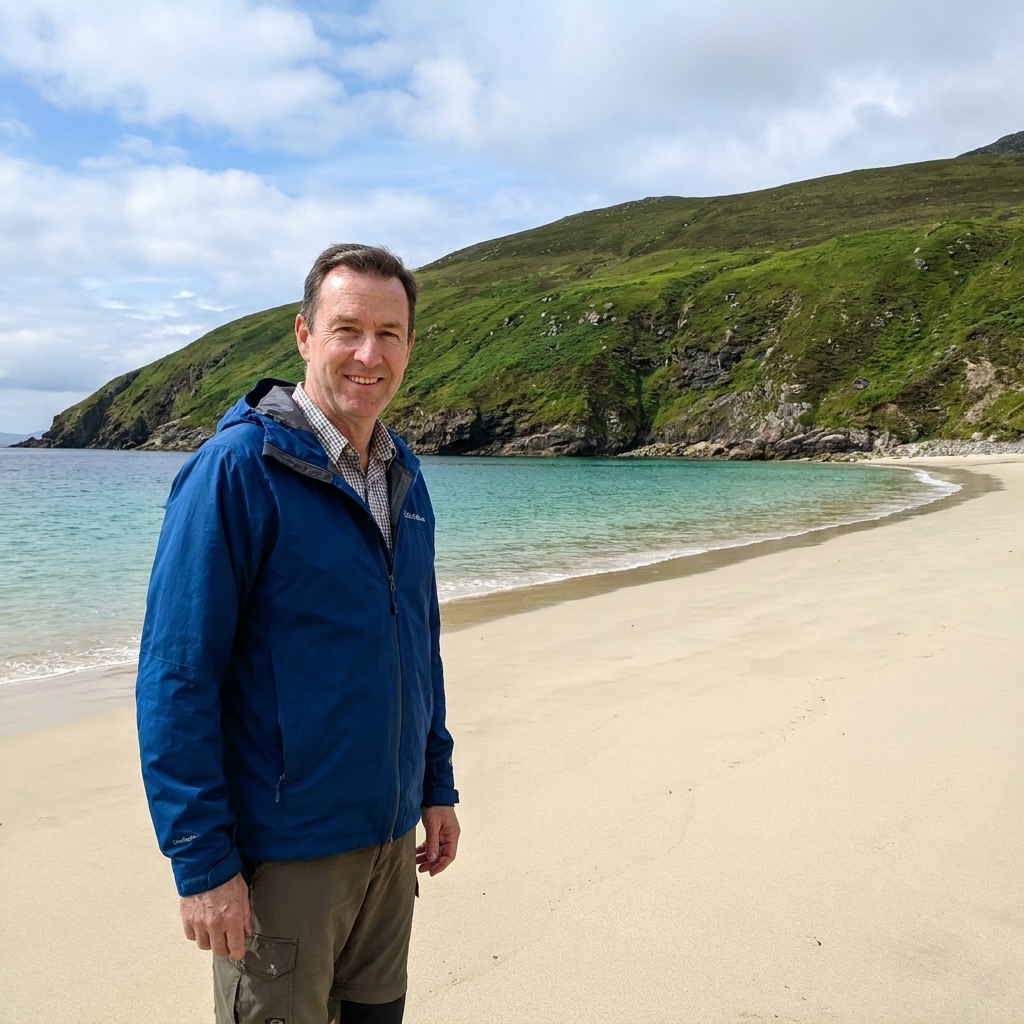
5) You’ll pass Gaeltacht areas where Irish is daily
One of the most quietly mind-blowing parts of the Wild Atlantic Way is that you can drive into communities where Irish is not a classroom subject or a signpost decoration, but the language used at home and in shops.
If you are new to Irish place names, learning a few basics makes the whole drive feel less like decoding and more like listening. I put a beginner-friendly breakdown together here: Reading Irish road signs and Gaelic place names.
Even if you only pick up a handful of patterns, you will start noticing how often the names describe the land itself: a headland, a fort, a mouth of a river, a windy pass. The map becomes a story, not just directions.
6) You may see “hunger roads” from the Famine era
It is impossible to spend real time on the west coast without meeting the harder parts of Irish history. In many areas, you will come across rough, stone-edged roads that seem to lead nowhere in particular, climbing into exposed ground where no sensible engineer would put a route.
Some of these are locally referred to as “hunger roads” and are associated with Famine-era relief works, where people were employed to build roads, walls, and other projects in exchange for aid. Not every remote track has the same story behind it, but the landscape still carries the mark of that time, and the wild beauty can sit uncomfortably close to human sorrow.
If you want to travel with respect, my advice is simple: stop, read what you can locally, keep your voice low, and remember that the west coast is not just a backdrop. It is a place people endured.
7) Lighthouses and shipwrecks are in the coastline’s DNA
The Atlantic edge is gorgeous, but it has never been forgiving. Strong currents, sudden fog, rocky inlets, and winter storms have made this a coastline with a long memory of maritime tragedy and survival.
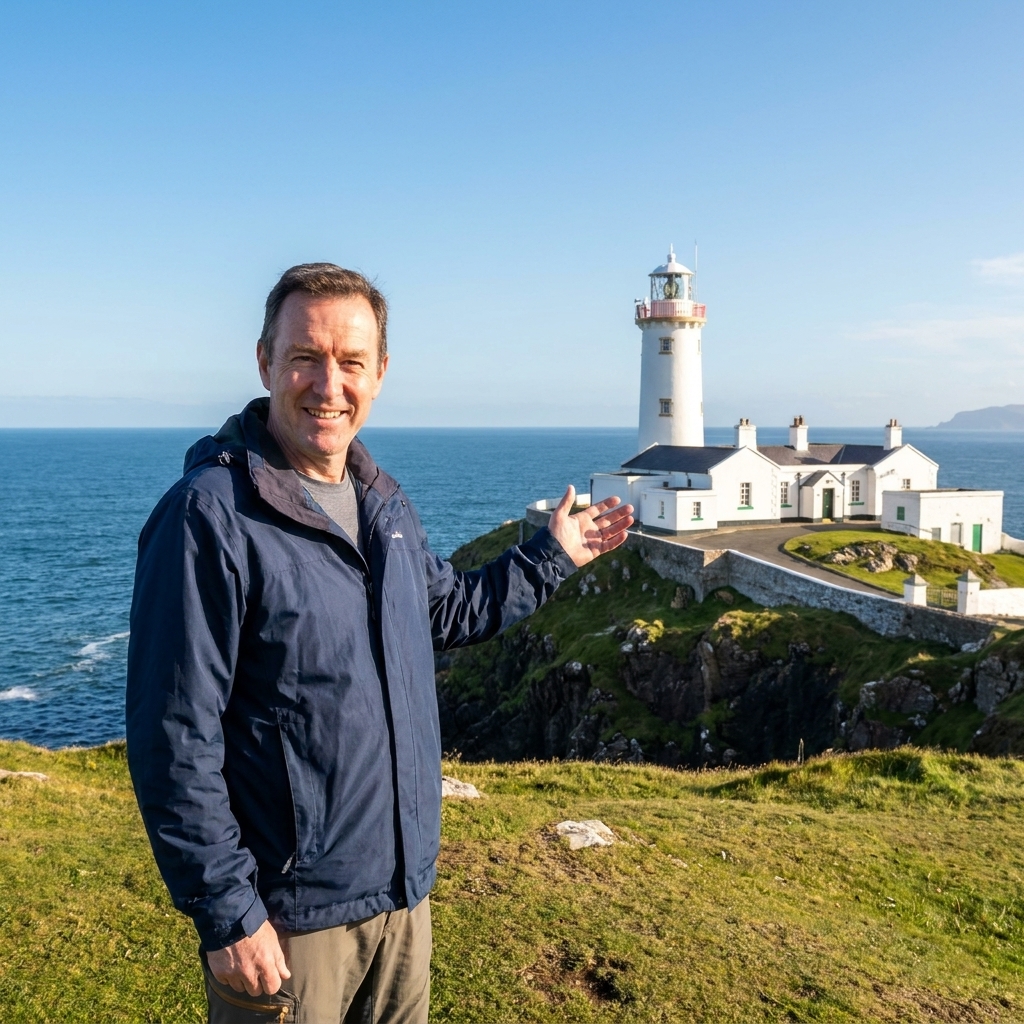
You will see lighthouses in some of the most jaw-dropping positions I have ever laid eyes on, perched where the land falls away and the ocean looks endless. Many are still working aids to navigation, but they also feel like monuments to everyone who tried to cross these waters and did not make it.
8) Islands often held onto traditions longer
Along the Wild Atlantic Way you will find islands that feel like time has its own pace: stone walls, Atlantic wind, and a sense that life is shaped by weather windows. Historically, islands often held onto language, music, and local customs in ways the mainland could not always protect, at least for a while.
Visiting an island can be the difference between “seeing the west coast” and actually feeling its rhythm. If you go, build in slack time. Ferry schedules and weather do not care about your itinerary.
9) The west coast is a bird highway
If you drive with your eyes up, you will notice how alive the cliffs and headlands are. Seabirds use the updrafts off the rock faces like invisible lifts. On a good day, you can watch them hover and wheel with almost no effort, as if the Atlantic wind is holding them up by the shoulders.
Bring binoculars if you have them, or do what I do when I forget mine: sit on a low wall, shield your eyes, and commit to ten full minutes of looking. The coast always rewards patience.
10) The best “hidden” stops are ordinary places done well
Here is the most useful fact of all: the Wild Atlantic Way is not won by racing between famous viewpoints. It is won by choosing one small town or village and giving it a proper, unhurried day.
Some of my favorite west-coast memories are not from the headline attractions. They are from:
- Eating seafood chowder while rain drums on a window and somebody tells me which beach is best at low tide.
- Taking the long way around a harbor because the light changed.
- Following a hand-painted sign to a quiet pier, then realizing I have been there an hour and nobody has spoken.
If that slower approach appeals to you, I wrote a full day plan here: Plan an unhurried day in an Irish town.

Quick road-trip tips I learned the hard way
- Under-plan your distances. The west coast is made of detours that are worth taking.
- Expect narrow roads. If you are not used to tight lanes, take it slow and let locals pass when safe.
- Download maps in advance. Phone coverage can be patchy once you get into the wilder corners.
- Arrive early at big-name stops. In peak season, parking near the famous viewpoints can fill up fast.
- Pack layers. Sunshine and sideways rain can swap places in minutes.
- Use place names as clues. Once you recognize patterns, the landscape reads like a legend.
And if your road trip involves your first proper pint stop, you will enjoy this little bit of pub culture: How to order a Guinness like a local.
Wild Atlantic Way FAQ
How long does it take to drive the Wild Atlantic Way?
You can technically drive big chunks quickly, but the route shines when you give it breathing room. As a rough planning guide, a week lets you sample highlights, while 10 to 14 days feels far more comfortable if you want beaches, short walks, and time in small towns. If you plan to explore peninsulas properly, add days, not hours.
Which part is the most dramatic?
Donegal can feel raw and untamed, Mayo and Connemara feel like geology turned into poetry, and Clare and Kerry bring the famous cliffs and postcard headlands. The honest answer is that the “most dramatic” part changes with the weather and the light.
Is it beginner-friendly for independent travelers?
Yes, as long as you are comfortable with narrow rural roads and you build extra time into each day. The route is designed for touring, not speed. I also find shoulder season is the sweet spot: longer daylight than midwinter, fewer crowds than midsummer, and just enough weather mood to keep you honest.
Keep wandering
If you want to keep the planning simple, start with Places to Visit and pick one or two regions to explore slowly. The west coast has a way of rewarding travelers who do not try to collect it all in one go.
And if you want to know who is doing the rambling around Ireland in the first place, that would be me: Declan MacGowan.