
The first time I landed in Dublin with my backpack and a head full of movie scenes, I honestly expected two things to appear on every table: endless corned beef and a little mountain of neon green “St. Patrick’s Day” desserts. What I actually found, after a few cold walks and a few warm pub fires, was something better and far more Irish: simple food made with good ingredients, regional pride, and a quiet confidence that does not need gimmicks.
So let’s separate the global stereotypes from what people genuinely eat in Ireland, especially when they’re feeding family, fueling a workday, or settling in for a long chat over tea. If you want the broader overview, I keep a running hub of bite-sized trivia and basics in my Ireland facts guide. For this one, we’re going straight to the plate.
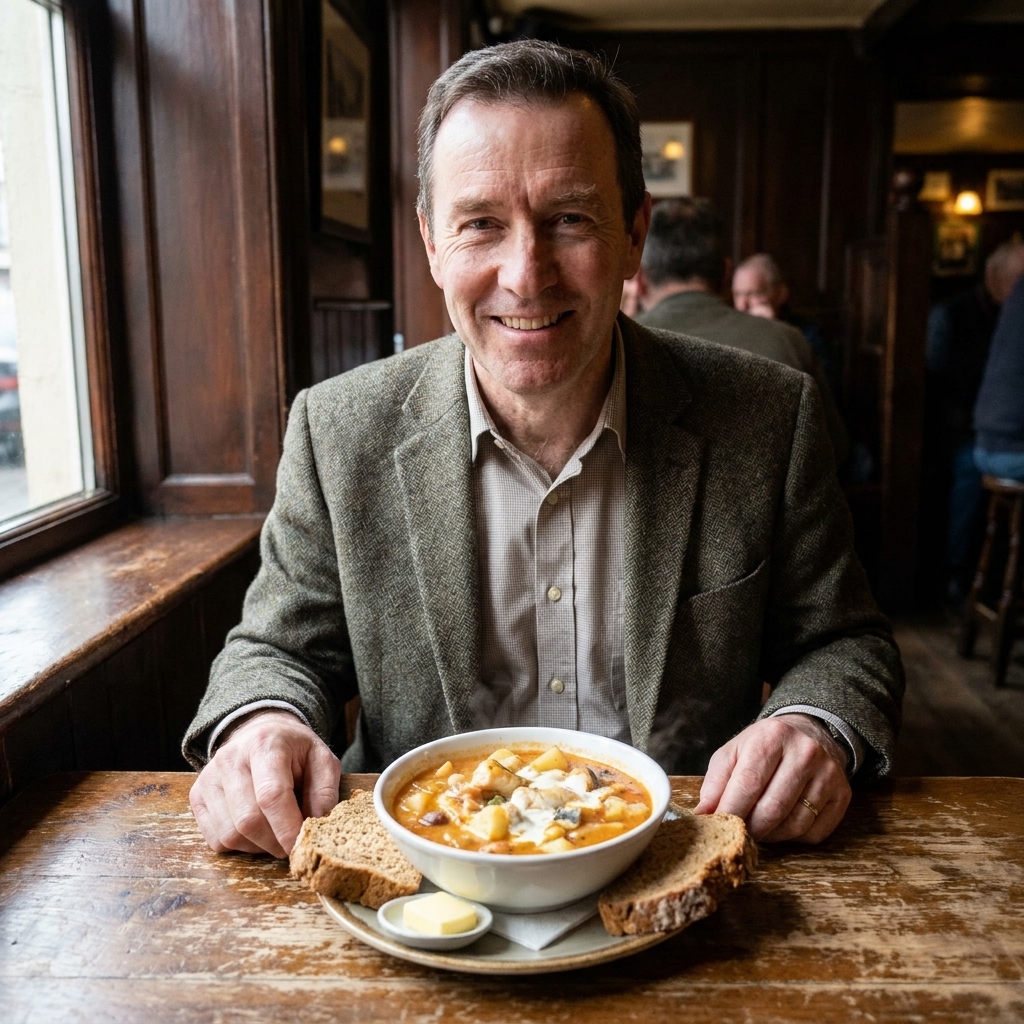
Before we dig in: about corned beef
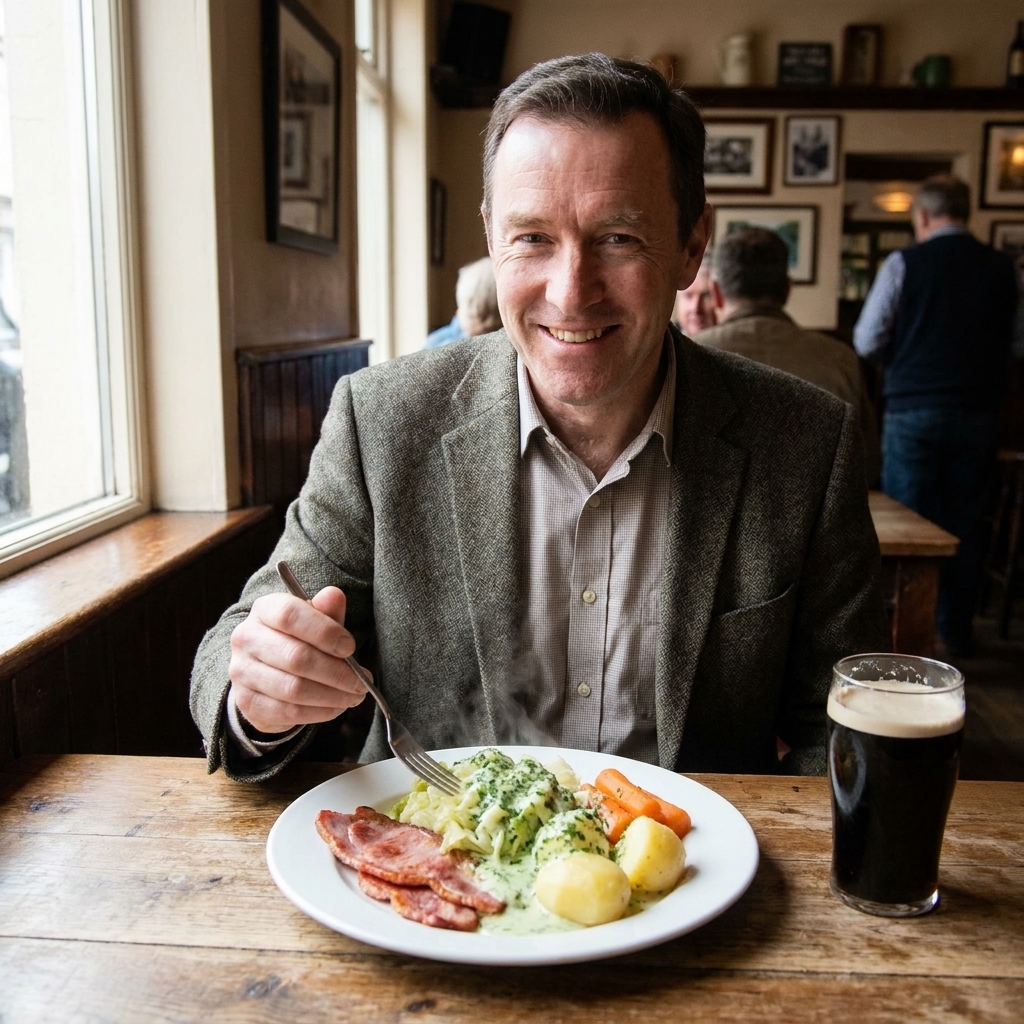
Corned beef and cabbage is strongly associated with Irish-America. In Ireland, you’re far more likely to see bacon (meaning cured pork, often back bacon or a small joint) with cabbage, a Sunday roast, or a pot of stew. That does not make corned beef “wrong,” it just is not the everyday national staple many visitors imagine.
What you will find in most places is hearty, seasonal cooking, and a real love of soups, breads, dairy, and seafood when you’re anywhere near the water.
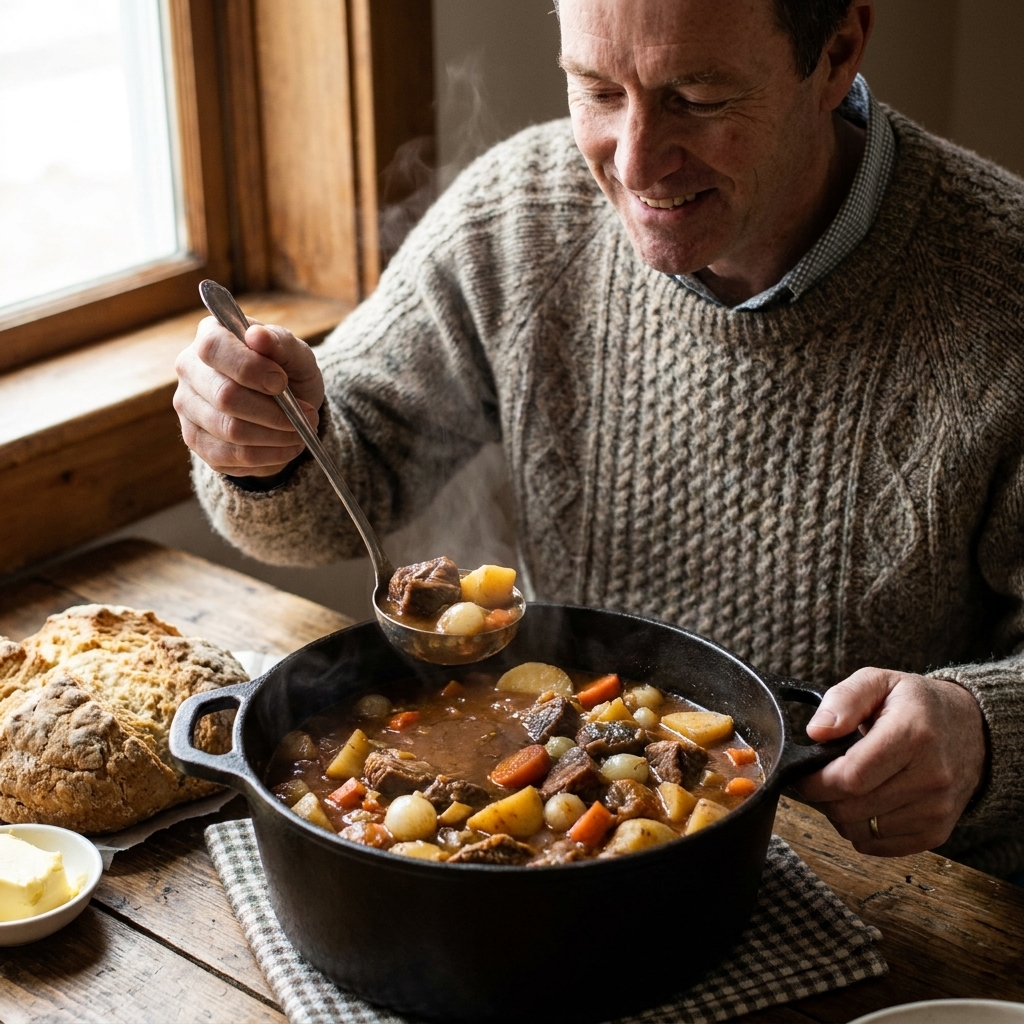
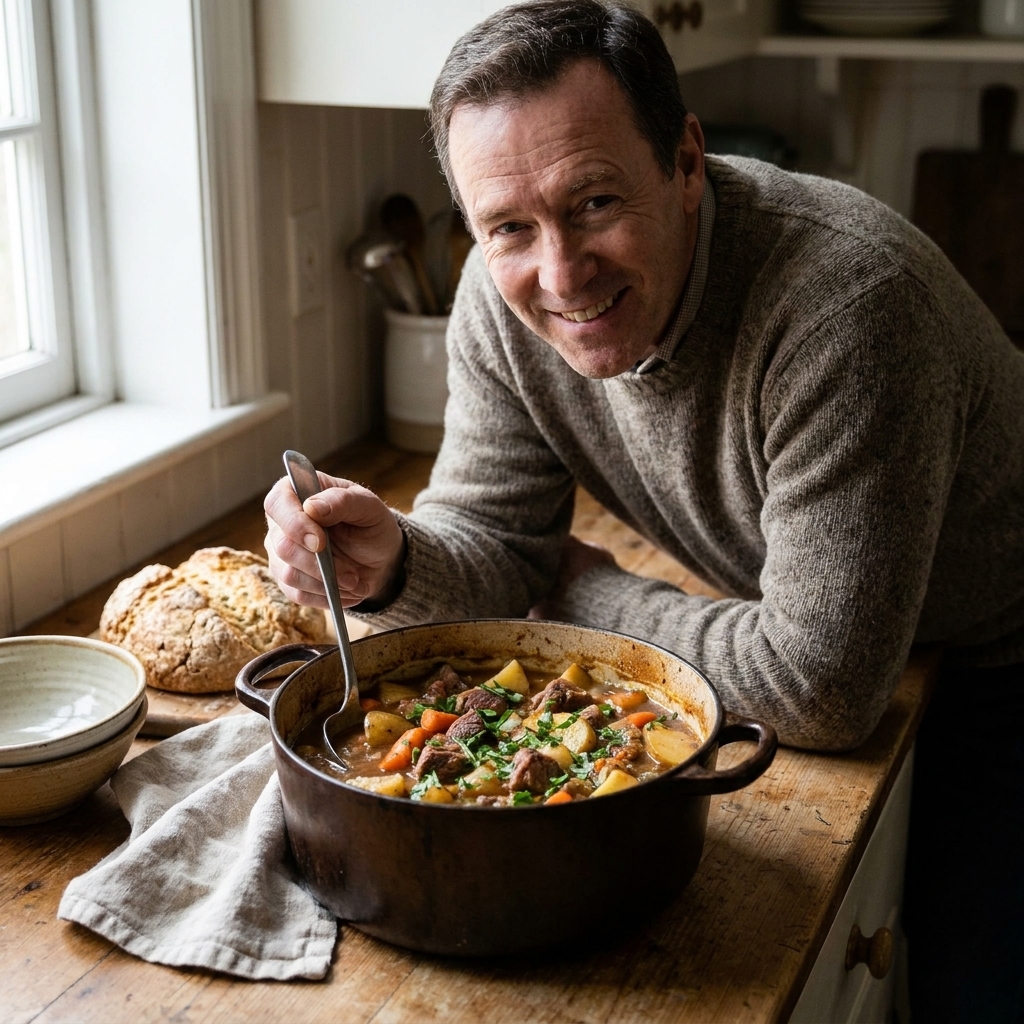
1) Irish stew
If you want one dish that tastes like Ireland feels on a drizzly day, it’s Irish stew. The classic version is traditionally lamb or mutton with potatoes, onion, and sometimes carrot, cooked low and slow until it turns into something comforting and honest. You may also see it referred to by an Irish-language name, often translated as “stobhach Gaelach.”
What it’s like
Tender meat, soft potatoes that thicken the broth, and that deep, savory warmth that makes you linger at the table.
Where to try it
- Across the country, especially in pubs that do food well.
- Rural towns often do it best, where it’s cooked like someone’s been making it the same way for 40 years.
If you’re building your trip around smaller places (my favorite way to do it), this dish shows up in exactly the kinds of pubs I talk about in my unhurried Irish town day plan.
2) Seafood chowder
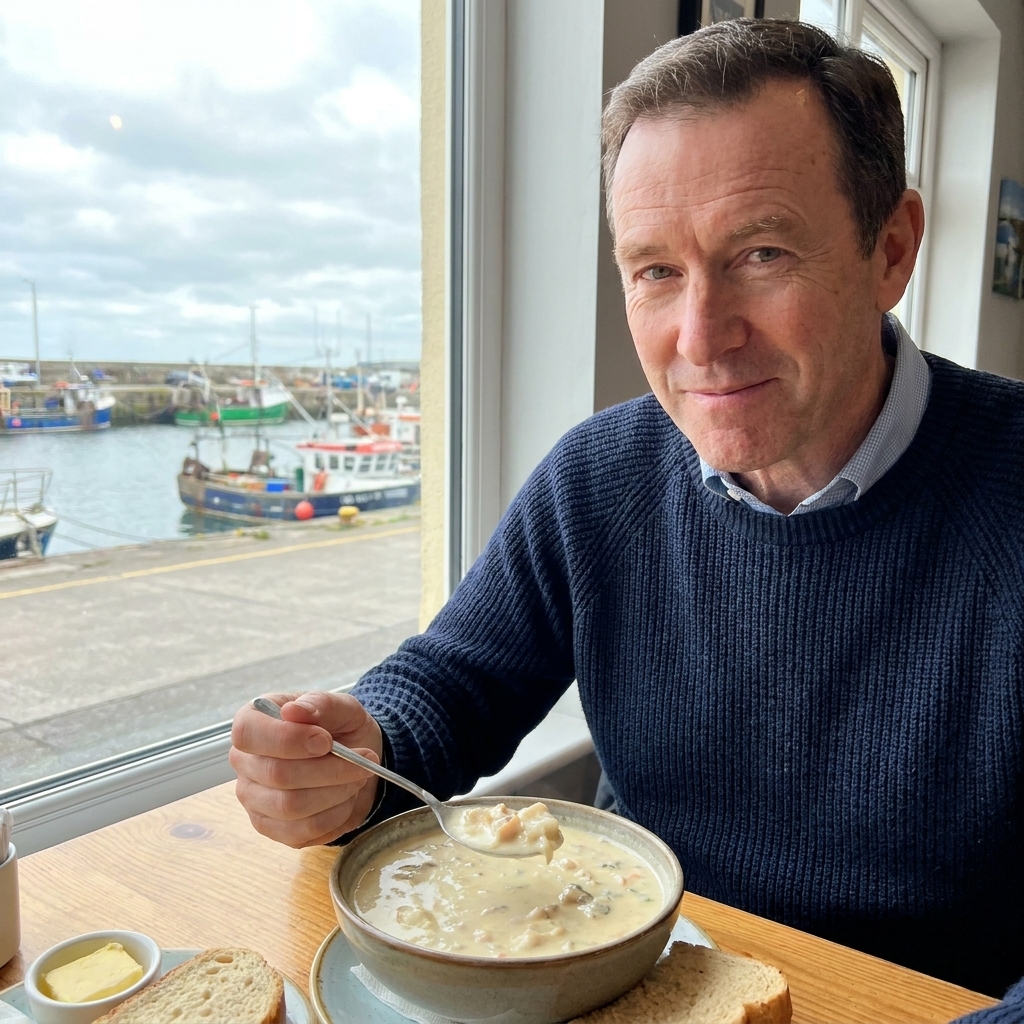
“Chowder” might sound generic, but Irish seafood chowder has its own rhythm: creamy without being heavy, packed with local fish, and usually served with brown bread that disappears faster than you think it should.
What it’s like
Smoky or sweet notes depending on the fish, a silky broth, and chunks of salmon, whitefish, mussels, or whatever came in that morning.
Where to try it
- The west coast along the Wild Atlantic Way, where menus tend to shift with the day’s catch.
- Coastal towns everywhere, from Donegal down through Kerry, and over on the east too.
If your trip has any coastline at all (it should), browse ideas in my places to visit guide and aim for a village with boats in the harbor. That is where chowder earns its keep.
3) Bacon and cabbage
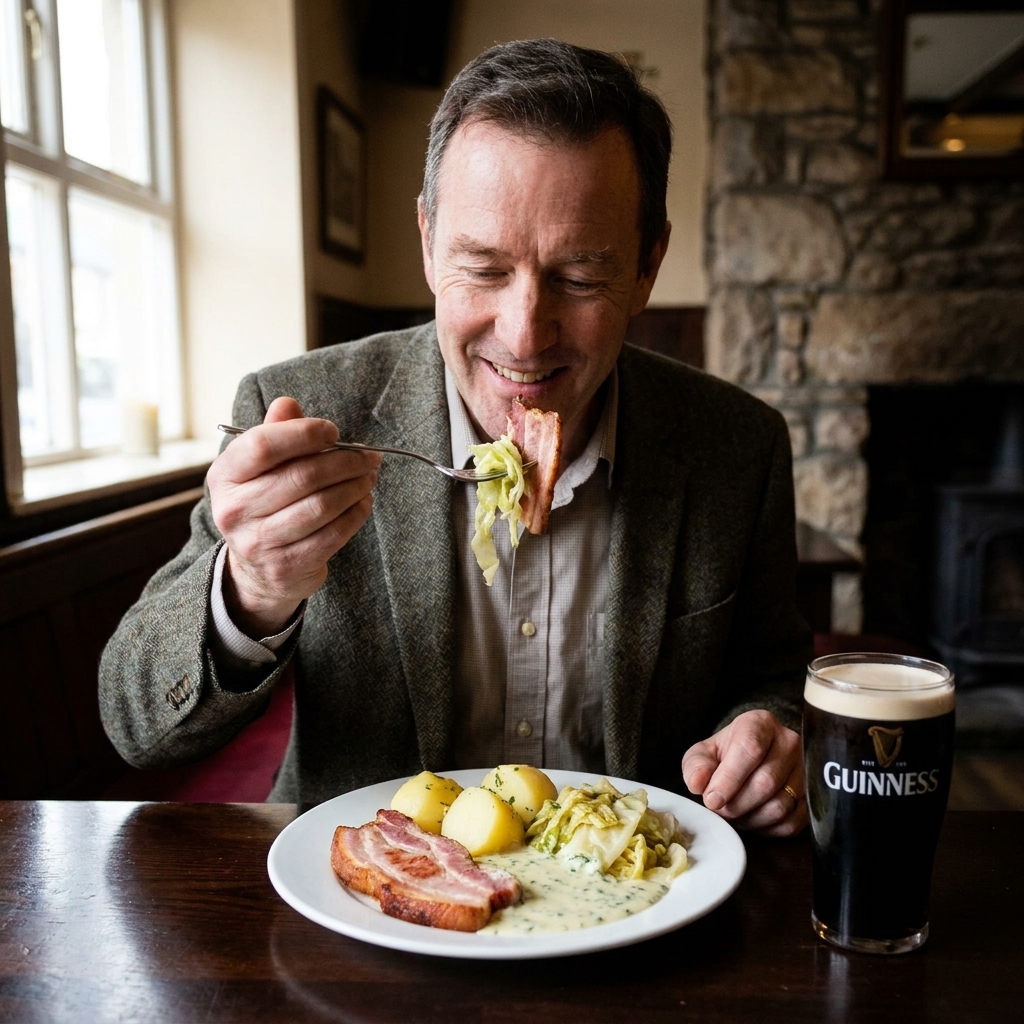
This is one of the great quiet truths of Irish food: when people say “bacon,” they often mean a thicker cut of cured pork, closer to back bacon or a small joint, simmered until tender. Pair it with cabbage and a pale, peppery parsley sauce and you’ve got a proper old-school dinner.
What it’s like
Salty, meaty, and straightforward, with the parsley sauce bringing a creamy lift.
Where to try it
- Traditional pubs that still do “dinners” rather than only burgers and wings.
- Country house hotels and carveries sometimes do a very good version.
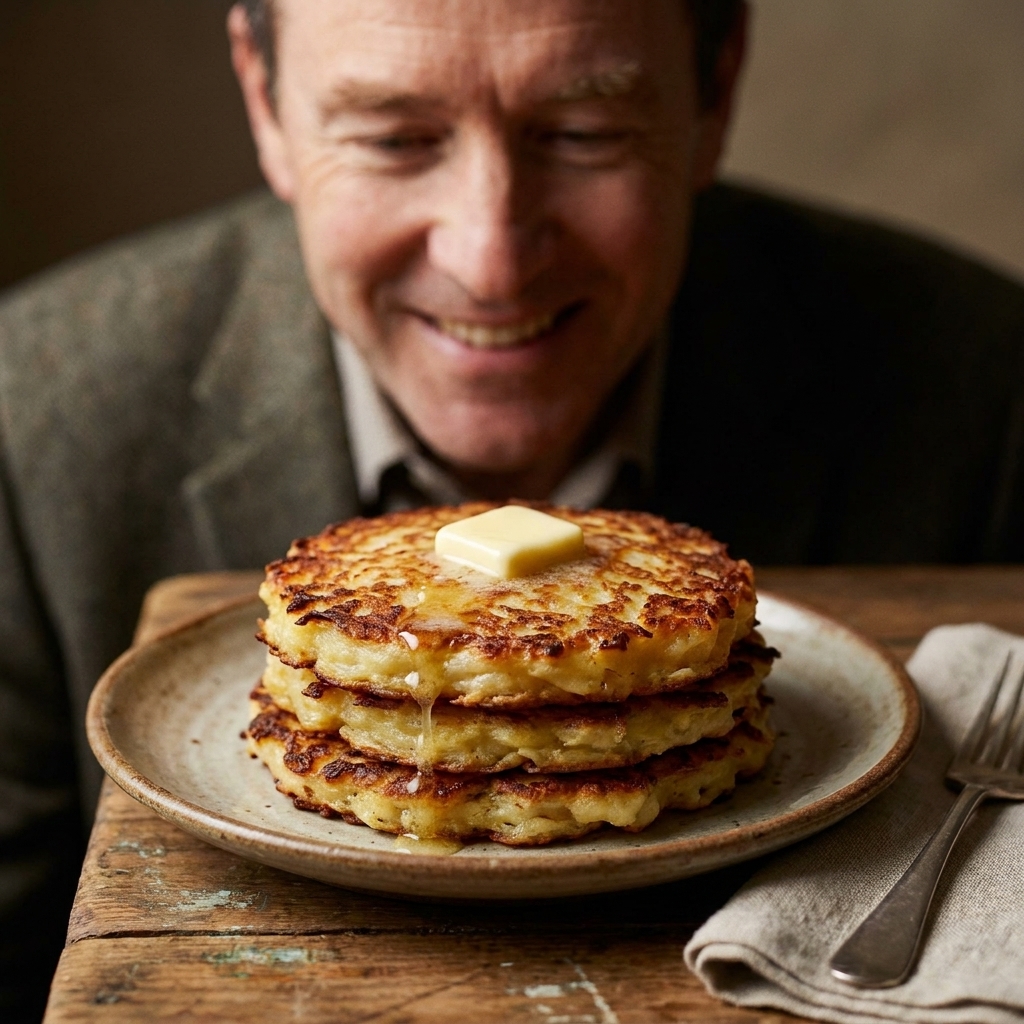
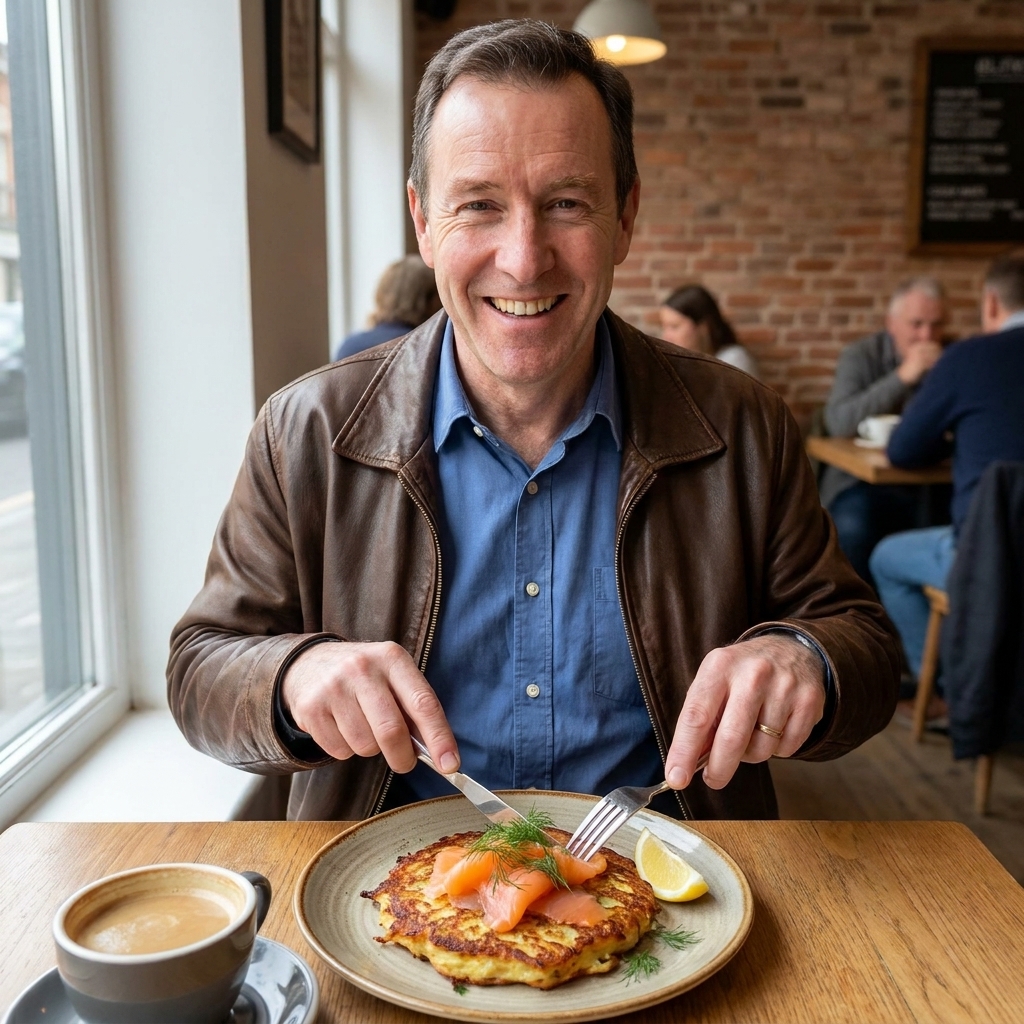
4) Boxty
I’ve watched visitors fall in love with boxty in real time. It’s potato, yes, but it’s not just “another potato thing.” Boxty can be a pan-fried pancake, a dumpling-y loaf, or a griddled cake depending on the region and the cook.
What it’s like
Crisp edges, soft middle, and a mild flavor that plays brilliantly with smoked salmon, bacon, mushrooms, or even just butter.
Where to try it
- Leitrim and Cavan, where boxty is most famously rooted and still proudly claimed.
- Modern Irish cafés sometimes put a contemporary spin on it, using it as a base for brunch.
5) Black pudding and white pudding
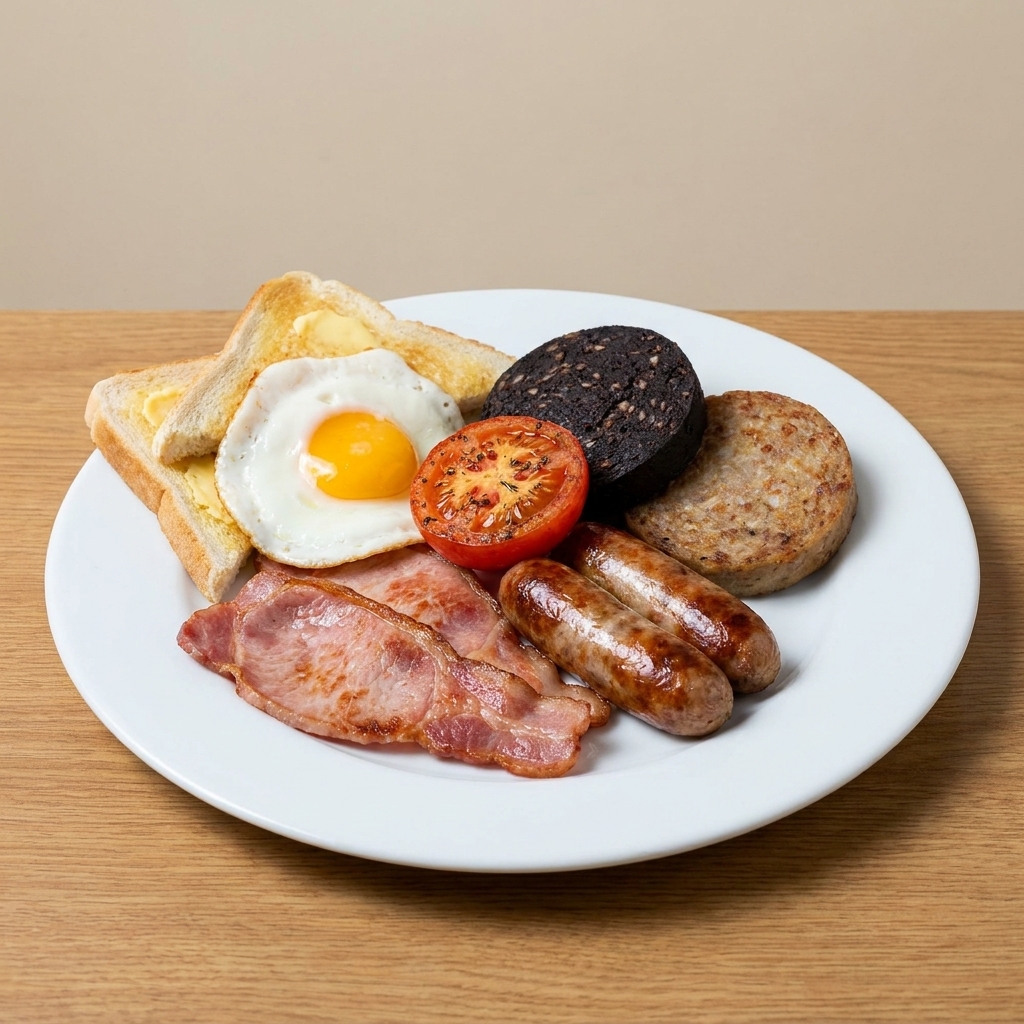
This is where the squeamish pause, and where the curious eat extremely well. Black pudding is a blood sausage (rich, spiced, deeply savory). White pudding is its cousin without blood, usually oat-forward and peppery. Both are common at breakfast, and both show up in fancy starters when chefs want a nod to tradition.
What it’s like
Black pudding can be crisped in a pan until it’s almost caramelized on the outside. White pudding is gentler but still wonderfully hearty.
Where to try it
- Breakfast counters and hotel breakfasts all over Ireland.
- Butcher shops often make their own, and you’ll taste the difference.
Tip from the road: if you see “homemade” or “local butcher” on the menu, that is usually the version to order.
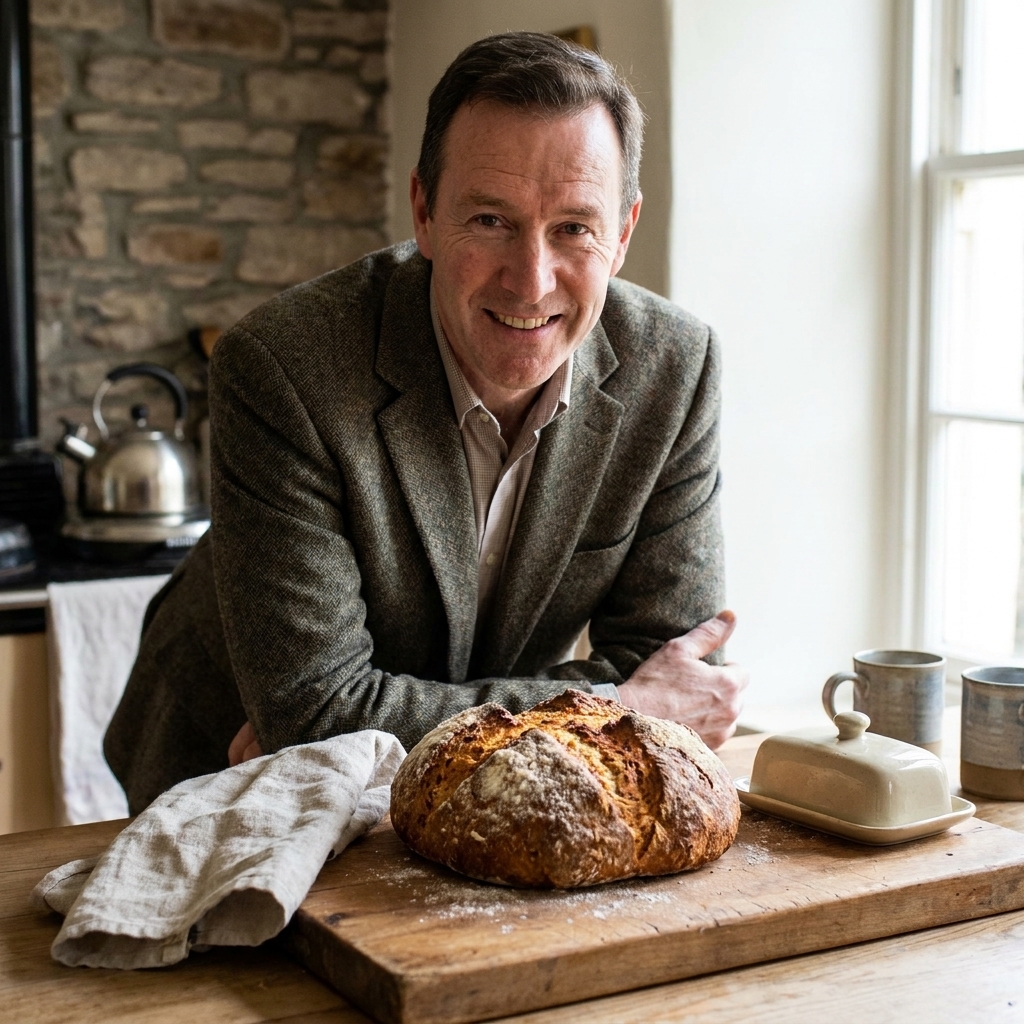
6) Soda bread
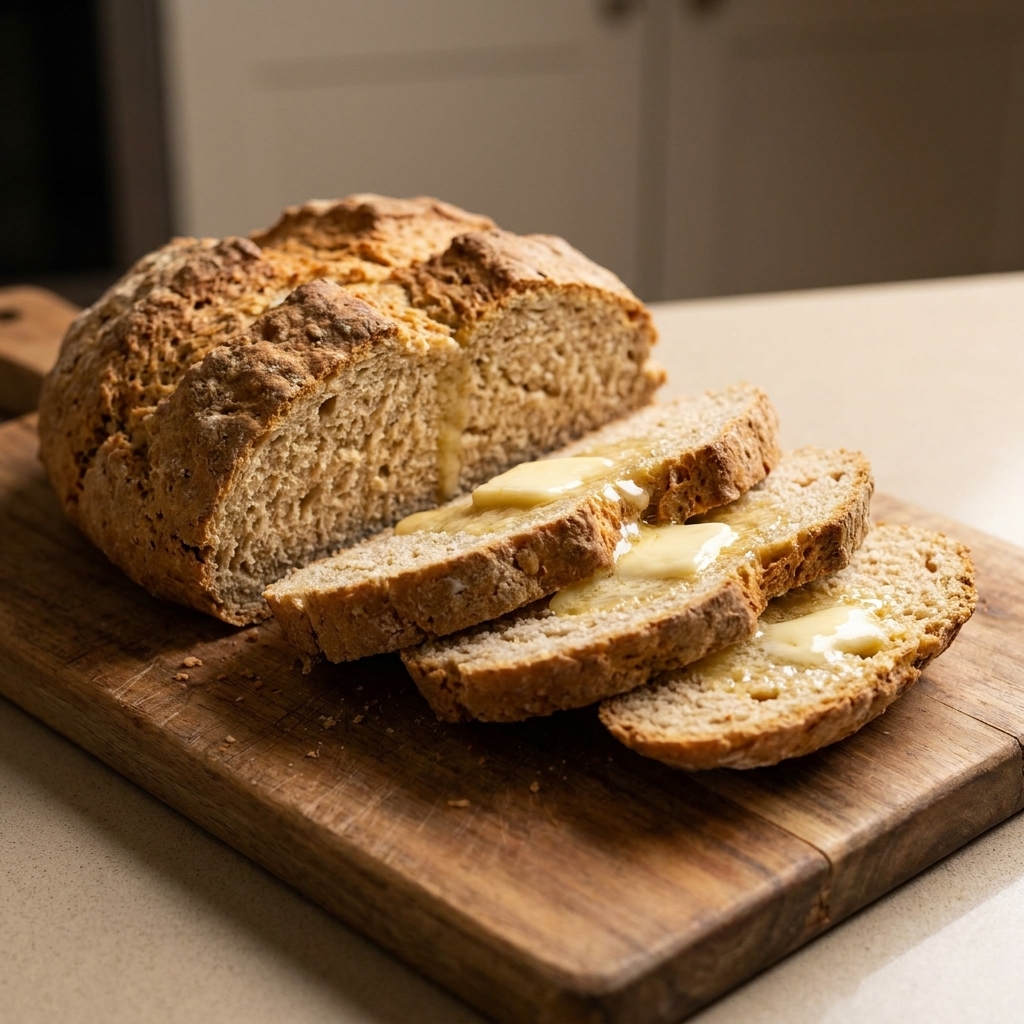
Irish soda bread is less a single recipe and more a family of breads: brown, wheaten, white, seeded, some with a hint of sweetness, some sturdy enough to mop a bowl clean. The common thread is bicarbonate of soda as the raising agent, which gives it that quick-bread practicality.
What it’s like
Crumbly in the best way, slightly tangy, and perfect with butter. In many places, it arrives warm and you suddenly understand why the butter disappears so fast in Ireland.
Where to try it
- With soups and chowders in pubs and cafés.
- B&B breakfasts, where you might get a slice that tastes like somebody’s granny is still running the kitchen.
If you want to try making Irish food at home after the trip, I keep cooking-focused pages over in the Irish recipes guide.
7) Coddle
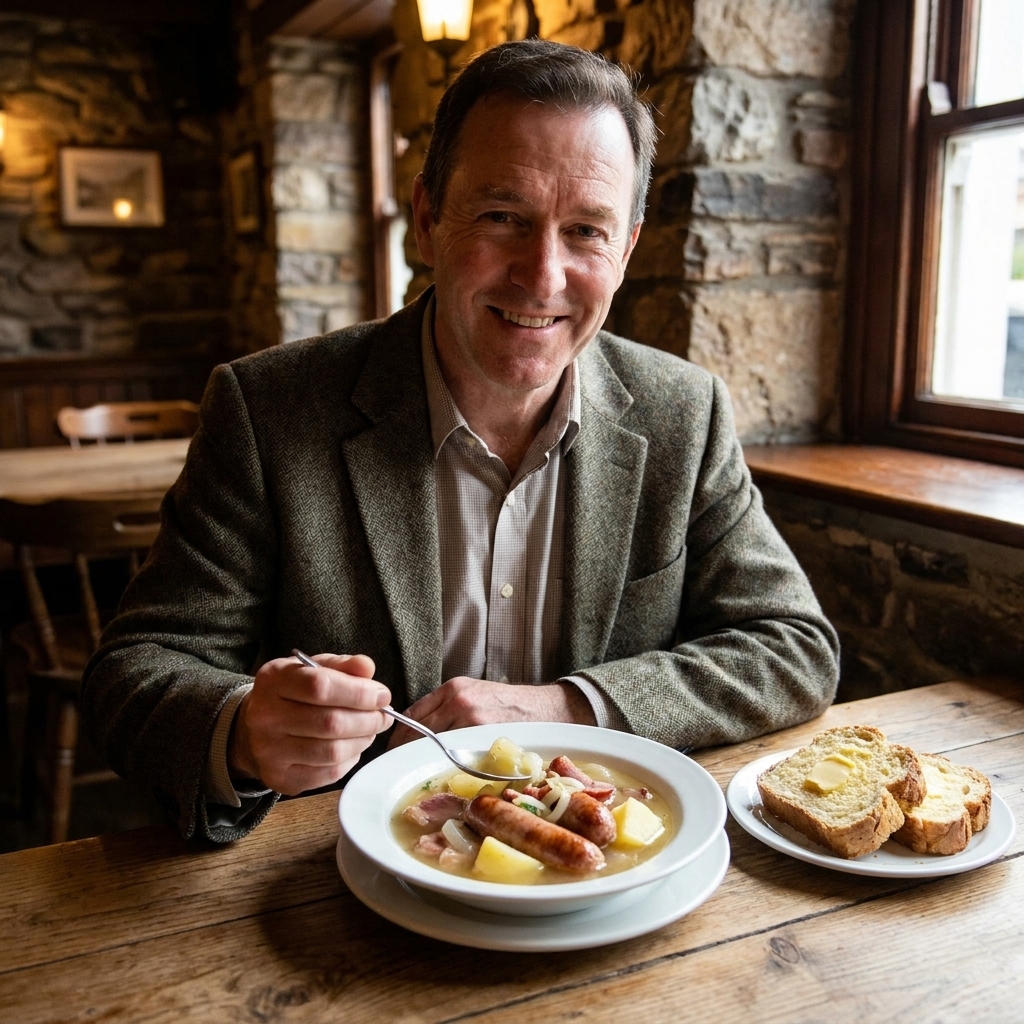
Coddle is one of those dishes that locals will defend, tease, or both in the same breath. It’s a Dublin classic made by gently simmering sausages, rashers (sliced Irish bacon), onions, and potatoes. It’s soft, brothy, and built for cold nights and empty cupboards.
What it’s like
Not flashy. Very comforting. The onions turn sweet, the broth turns savory, and everything tastes like it belongs together.
Where to try it
- Dublin, especially in older pubs or places that lean traditional.
- Home kitchens are where coddle truly lives, but you can still find good bowls around the city if you ask what’s local.
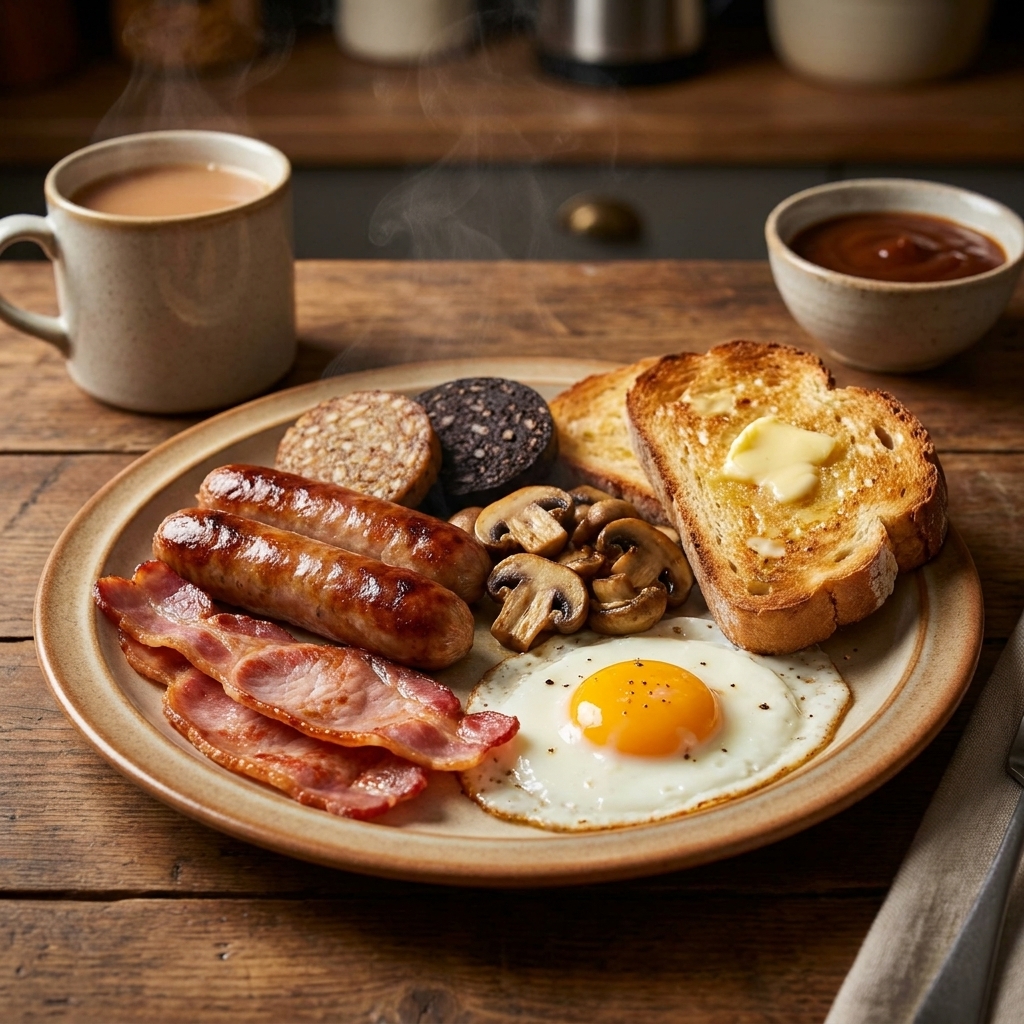
8) The full Irish breakfast
If you only eat one big breakfast in Ireland, make it this one. A full Irish is not a daily meal for everyone (it is a lot), but it is absolutely part of the food culture, especially on weekends, after early starts, or the morning after a late night.
What it’s like
Usually some mix of eggs, sausages, rashers, black and white pudding, tomatoes, mushrooms, toast, and often baked beans. The best ones feel less like a stunt and more like a well-practiced routine.
Where to try it
- B&Bs and small hotels, where it tends to be cooked with care.
- Cafés with a steady local trade, especially if you see builders, nurses, or taxi drivers eating there.
How to order without overthinking it
If you want the most authentic food moments, don’t hunt only for “famous dishes.” Instead, follow a few habits I’ve learned from years of pulling the campervan into towns I could not pronounce on the first try.
- Ask what’s good today. A quiet “What’s the soup like?” in a pub often leads to the best meal of the day.
- Use geography. Lean coastal for seafood, inland for slow-cooked comfort.
- Look for steady local trade. Not packed with tour buses, just chatty, warm, and lived-in.
- Know the words. In Ireland, “rashers” are sliced bacon, and “bacon” can mean a thicker cured cut served as a dinner.
Mini FAQ
Do Irish people eat potatoes with every meal?
Not every meal, but potatoes are still a daily player in many homes. What surprises people is the variety: boiled, mashed, roasted, in stews, as boxty, or alongside fish.
Is Irish food spicy?
Traditionally it’s more about comfort and depth than heat. You’ll see modern menus with global flavors, but the classic dishes are usually mild and savory.
Is it all heavy?
It can be hearty, yes. But coastal Ireland especially has lighter options, and soups, brown bread, smoked fish, and simple plates are common.
What should I try if I only have one traditional meal?
If you’re inland, go for Irish stew or bacon and cabbage. If you’re coastal, order seafood chowder and whatever fresh fish is on the board.
One last thought from the road
Irish food isn’t a performance. It’s not trying to impress you with tricks. It’s built around good butter, honest potatoes, local fish, slow-cooked pots, and recipes that survived because they simply work. Try a few of these dishes in the regions that love them most, and you’ll taste a side of Ireland that no souvenir shop can sell.
If you’re hungry for more everyday cultural context beyond the plate, start at the Ireland facts guide. And if you end up puzzling over menus or town names on road signs, I’ve got you covered in reading Irish road signs and Gaelic place names.