

The first time I properly fell for boxty, it was on a drizzly evening in the northwest, the kind where the hedgerows look like they have been freshly washed. I ducked into a small place for something warm, and what arrived was a humble potato pancake that somehow managed to be both crisp at the edges and cloud-soft in the middle. No fuss, no show. Just that unmistakable Irish talent for turning the everyday into the unforgettable.
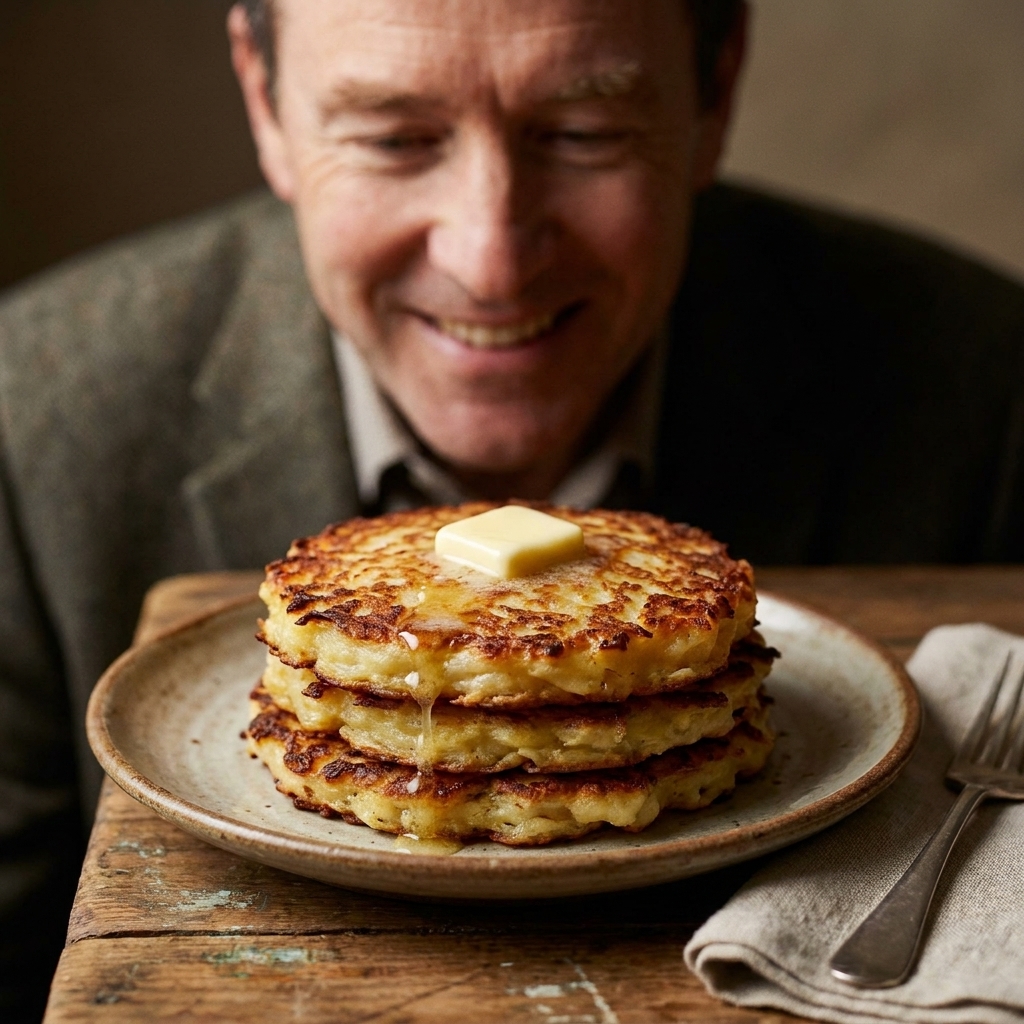
Boxty is one of those dishes that sounds simple until you try to make it at home and wonder why yours goes soggy, sticks, or tastes a bit flat. The secret is not a fancy ingredient. It is technique: using a mix of raw and cooked potato, removing as much water as you can, and giving the starch and fat enough heat to do their magic.
This recipe leans into the classic pan-fried boxty style, the batter-like potato cake cooked on a hot pan. You get the crackly, browned rim you want, plus a tender center that tastes buttery, potato-sweet, and properly satisfying.
If you are building out an Irish comfort-food evening, pair these with something hearty like my traditional Irish stew, or keep it simple and make them the star.
Boxty, in plain English
Boxty is a traditional Irish potato cake, often associated with Ireland's north-west and parts of Ulster. You will see it made in a few forms across the island: griddled pancakes, pan-fried cakes, and sometimes as a baked loaf (often called boxty bread).
That mix matters. Raw potato brings structure and that gorgeous edge-crisping potential. Cooked potato brings tenderness and a comforting, bready bite. Put them together and you get something that feels both rustic and oddly elegant.
The secret to crispy boxty
Here is what actually moves the needle when you want boxty that crackles at the edges instead of steaming itself into softness:
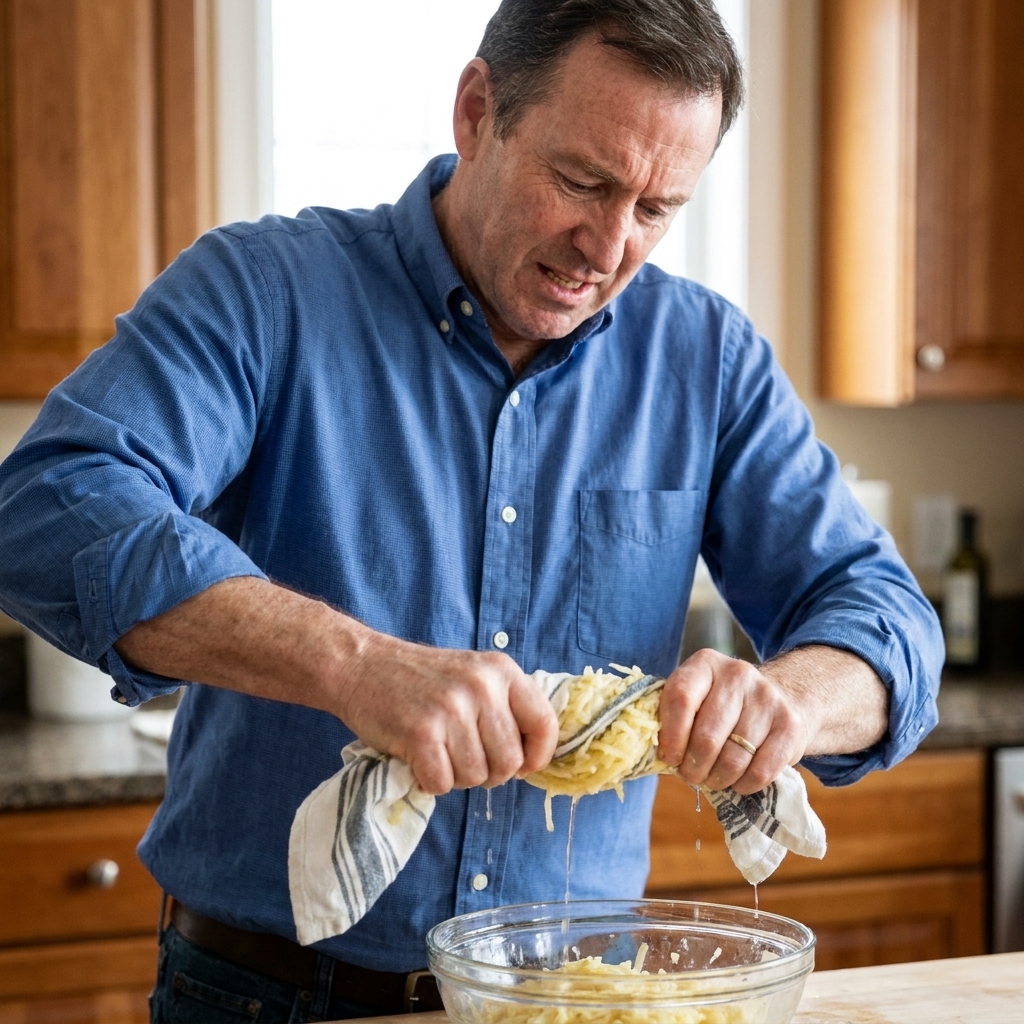
- Squeeze the grated potato dry. Raw potato holds a shocking amount of water. If you skip this, you end up boiling your boxty in the pan instead of frying it.
- Save the potato starch. After squeezing, let the liquid sit for a minute. The starch settles to the bottom. Pour off the water and add that starch back into the batter for better binding and a crisper finish.
- Use a raw plus cooked potato blend. All-raw can be a bit brittle and wet. All-mash can turn cakey and pale. The blend is the sweet spot.
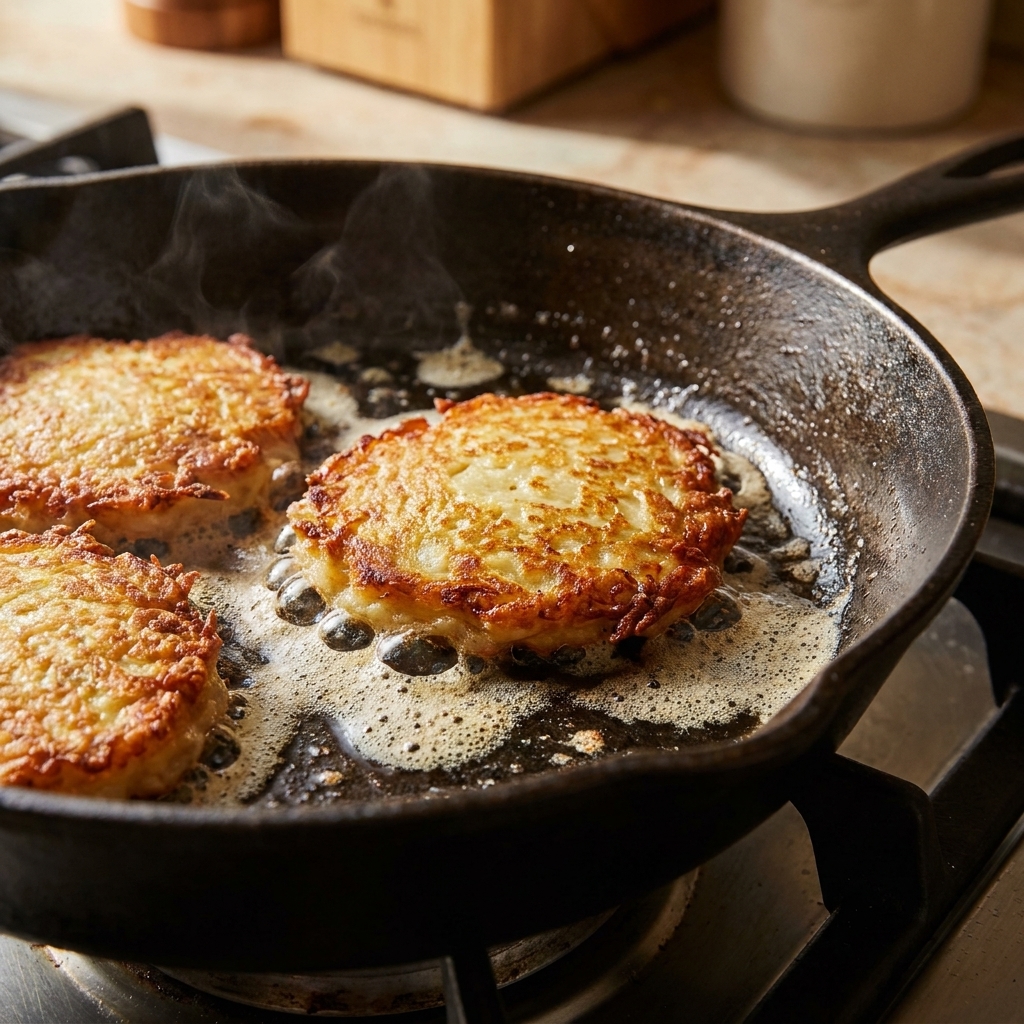
- Hot pan, enough fat, do not fuss. You want a steady medium-high sizzle. And once the boxty hits the pan, leave it alone until the underside is properly browned.
- Cook in batches. Overcrowding drops the pan temperature. That is the fastest route to soft, greasy cakes.
Why it works
- Two-potato method: mashed potato for a fluffy interior, grated potato for bite and crisp edges.
- Moisture control: wringing out the grated potato prevents steaming and helps the cakes brown.
- Starch recovery: adding back the settled potato starch strengthens the batter without making it bready.
- Proper heat: a consistent medium-high pan temperature creates the signature golden crust before the middle dries out.
Ingredient notes
Potatoes
If you can, choose floury potatoes, the kind you would reach for when making mash. In Ireland you will hear Maris Piper mentioned a lot, but any starchy potato you trust for fluffy mash is a good start. Waxy salad potatoes tend to give a denser, less crisp result.
Buttermilk (or milk)
Buttermilk adds a gentle tang and helps the batter feel lighter. If you only have milk, that is perfectly fine. You can also use half milk, half plain yogurt loosened with a splash of water.
Flour
Flour is the light binder here, not the star. Too much flour makes boxty taste like a pancake in disguise. Measure it, then stop.
Fat for frying
Butter gives flavor, but it can burn if the pan is too hot. I like a mix of butter and a neutral oil, so you get taste and a higher smoke point. If you use only butter, keep the heat a touch lower and wipe out browned bits between batches.
Equipment
- Box grater
- Clean tea towel or cheesecloth for squeezing the grated potato
- Mixing bowl
- Large pan or griddle, ideally heavy-bottomed or cast iron
- Thin spatula for flipping
- Paper towels or a wire rack for draining
Pro tips
- Let the pan preheat properly. Give it a few minutes. A lukewarm pan makes pale boxty.
- Listen for the sizzle. If it is silent, wait. If it is violently spitting, lower the heat slightly.
- Flatten the batter gently. A thicker boxty stays softer; a too-thin one can dry out. Aim for about 1 cm thick in the pan.
- Flip once. Repeated flipping prevents browning and can break the cakes.
- Keep batches warm in the oven. A low oven keeps them hot without turning them soggy.
Substitutes
- No buttermilk: use regular milk, or milk with a spoonful of plain yogurt stirred in.
- Gluten-free: swap the flour for a gluten-free all-purpose blend, or use a small amount of oat flour. The texture will be slightly more delicate.
- No leftover mash: boil and mash a potato specifically for this recipe. Let it cool a bit so it does not melt the butter or loosen the batter too much.
- Dairy-free: use a plant-based milk and fry in oil instead of butter.
Variations
Herby boxty
Add chopped scallions, parsley, or chives. This is especially good if you are serving them with smoked fish.
Boxty with bacon
Fry a few rashers, then cook the boxty in a little of the rendered fat plus butter. It is not shy, but it is glorious.
Mini boxty
Make them silver-dollar size and serve with eggs. Small ones crisp even faster and are great for a crowd.
Serving ideas
- Classic: hot boxty with butter and a pinch of salt.
- Brunch plate: boxty with fried eggs and sauteed mushrooms.
- Coastal Ireland mood: boxty with smoked salmon and a little creme fraiche or thick yogurt.
- With a stew: use boxty as the potato side instead of mash. It is a treat alongside Irish stew.
- Soup night: serve with a bowl of something simple and brothy, and let the crispy edges do the dipping.
Storage and reheating
Fridge
Store cooked boxty in an airtight container for up to 3 days.
Reheating for crispness
The best way is a dry pan over medium heat, a couple of minutes per side until the edges re-crisp. An oven works too, but a pan brings back that pan-fried bite.
Freezing
You can freeze cooked boxty with parchment between pieces. Reheat from frozen in a lightly oiled pan over medium-low heat so the middle warms through before the outside over-browns.
Common mistakes
- Soggy boxty: the grated potato was too wet, or the pan was not hot enough. Squeeze harder and preheat longer.
- Falling apart: not enough binder, or you flipped too early. Add back the potato starch, measure the flour, and wait for a deep golden underside before flipping.
- Greasy texture: heat was too low or the pan was crowded. Cook in batches and keep a steady sizzle.
- Burning before cooking through: heat too high or cakes too thick. Lower the heat slightly and flatten them a touch.
FAQ
Is boxty the same as hash browns?
Not quite. Hash browns are typically all grated potato. Boxty often uses both grated raw potato and cooked mashed potato, which gives a fluffier middle and a more cake-like structure.
Can I make the batter ahead?
You can, but it is best cooked soon after mixing because potatoes darken and can release more liquid as they sit. If you do make it ahead, keep it chilled and stir well before frying.
What is the best pan for boxty?
A heavy pan, especially cast iron, holds heat well and helps browning. Nonstick works too, but you may get a slightly less robust crust.
Why save the potato starch?
That settled starch is a natural binder and helps the cakes crisp. It is an old kitchen habit for a reason.
Recipe
Crispy Irish Boxty (Traditional Potato Pancakes)
Traditional Irish boxty with a crisp, golden edge and a tender middle, made with a mix of grated raw potato and fluffy mashed potato.
- Prep
- 20 minutes
- Cook
- 15 minutes
- Total
- 35 minutes
- Servings
- 8 boxty pancakes
Ingredients
- 1 lb (450 g) floury potatoes, peeled (about 2 medium)
- 1 cup (about 220 g) cooked mashed potato, cooled (from leftover mash or freshly made)
- 1 tsp fine salt, plus more to taste
- 1/4 tsp black pepper
- 1/2 cup (60 g) all-purpose flour
- 1 tsp baking powder
- 3/4 cup (180 ml) buttermilk (or milk)
- 2 tbsp unsalted butter, plus more as needed
- 1 tbsp neutral oil (optional, helps prevent butter burning)
Instructions
- Grate and squeeze the potato: Grate the raw potato on the coarse side of a box grater. Wrap the grated potato in a clean tea towel or cheesecloth and wring firmly over a bowl to remove as much liquid as possible.
- Save the starch: Let the bowl of potato liquid sit for 1 to 2 minutes until a white starch layer settles on the bottom. Carefully pour off the water and keep the starch in the bowl.
- Make the batter: Add the squeezed grated potato to the bowl with the reserved starch. Stir in the mashed potato, salt, pepper, flour, and baking powder. Pour in the buttermilk and mix until you have a thick, scoopable batter.
- Preheat the pan: Heat a large pan over medium-high heat. Add 1 tbsp butter and the oil (if using). When the butter is melted and sizzling, you are ready to cook.
- Fry the boxty: Drop the batter into the pan in 1/4-cup portions and gently flatten each to about 1 cm thick. Cook 3 to 4 minutes on the first side until deeply golden at the edges and set on top.
- Flip and finish: Flip and cook 2 to 3 minutes on the second side until golden and cooked through. Add a little more butter between batches as needed.
- Drain and serve: Transfer to a rack or paper towels. Season with a pinch of salt while hot and serve right away for maximum crispness.
Notes
- Mashed potato note: If your mashed potatoes are already heavily buttered or very loose, reduce the added butter in the pan slightly and add the buttermilk gradually so the batter stays thick.
- Keeping warm: Hold cooked boxty on a rack in a low oven (around 200°F / 95°C) while you finish the batches.
- Doneness cue: The boxty should feel set and slightly springy in the center, with a clear golden crust on both sides.