
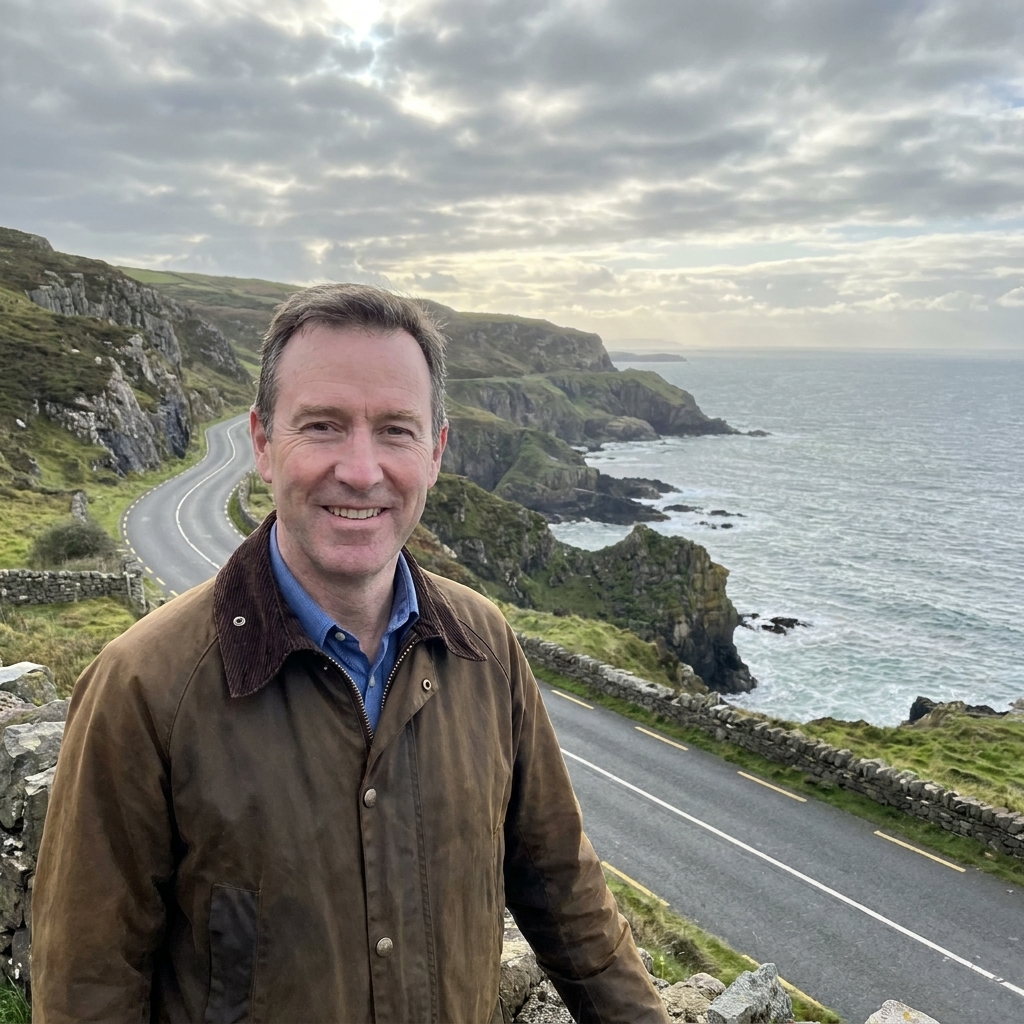
The first time I drove the Causeway Coastal Route, I’d planned it like a neat little checklist. Then the coast did what the north coast always does: it messed up my schedule in the best possible way. One minute you’re following a ribbon of road above the sea, the next you’re pulled over on a whim because the light has turned the water steel-blue and the cliffs look like they’ve been chiseled by giants.
This is my favorite way to do it if you have three days: enough time to hit the legendary headliners, plus a few slower moments that make the route feel less like a sprint and more like a proper coastal ramble.
At a glance
The signed Causeway Coastal Route is most often treated as Belfast to Derry-Londonderry (or the other way round), hugging the Antrim coast for the best bits. It is not a single “you must start here” road, though. You can join it and peel off it at plenty of points depending on where you’re staying.
You can drive it in either direction, but for a first trip I like going east to west. It builds nicely, and it keeps your big stops spaced out.
- Day 1: Belfast to the Glens of Antrim and Ballycastle (settle into the coast, short walks, villages)
- Day 2: Giant’s Causeway and Dunluce Castle (the headliners, with time to actually linger)
- Day 3: Carrick-a-Rede Rope Bridge early, then on to Derry-Londonderry (finish strong without backtracking)
Typical wheel-turning drive time (not counting stops): each day is roughly 1 to 2.5 hours of driving. In reality, with a walk, a lunch stop, and a few “pull over, look at that” moments, each day can comfortably fill 6 to 9 hours. That is the whole point.
If you want more general planning help for trips like this, my jumping-off point is the Places to Visit guide.
Before you go
Roads and navigation
The main route is well signposted, and the big stops are straightforward. The moment you chase a beach, a viewpoint, or a “quick shortcut” down a side road, expect tight rural lanes and the occasional “are we sure this is still a road?” moment. A satnav or offline map helps once you leave the headline trail.
Drive like a local: slow into blind bends, be ready to tuck in for oncoming cars, and do not let an eager tailgater rush you. You’ll see more when you’re not white-knuckling the steering wheel.
Weather
On this coast, sunlight and sideways rain can trade places in minutes. Pack a light waterproof layer even if the forecast looks friendly. If you want to calibrate your expectations, have a look at the truth about Irish weather. It applies up here too, sometimes with extra attitude from the wind.
Tickets, hours, and wind
A few practical realities that will save your day:
- Carrick-a-Rede Rope Bridge is often run on a timed-entry system in busy periods, and it can close if winds are high. If you are traveling in peak season, booking ahead is the calmest way to do it. Always have a backup plan if the weather throws a fit.
- Giant’s Causeway has paid parking at the visitor centre, and the main paths are clearly marked. Midday can be the most congested time for both parking and paths, so early morning (or later afternoon) tends to feel far less hectic.
- Dunluce Castle is a ticketed site with set opening hours. Check the official hours before you go, especially outside summer.
Start times
If you can, get on the road by 8:30 or 9:00. Not because the route is long, but because the popular stops feel completely different before midday. Early at the Causeway in particular can be quiet enough that the whole place feels like it belongs to the sea and the gulls.
Day 1: Belfast to Ballycastle
Goal for the day: ease into the coast, stop often, and arrive in Ballycastle (or nearby) with enough daylight left for a seaside walk.
Wheel-turning drive time (without stops): about 1.5 to 2.5 hours, depending on your exact route and traffic leaving Belfast. With a forest walk and coastal pull-ins, plan on this being a full, unhurried day.
Morning: get out of the city
Once you clear Belfast, the landscape starts to soften into green slopes and hedgerows. If you’re picking up supplies for the road, do it early. After that, you want your attention on the sea.
Midday: the Glens of Antrim
The Glens are one of those places that never look the same twice. Sometimes they’re bright and pastoral. Sometimes they’re moody, with low cloud snagging on the hills like wool.
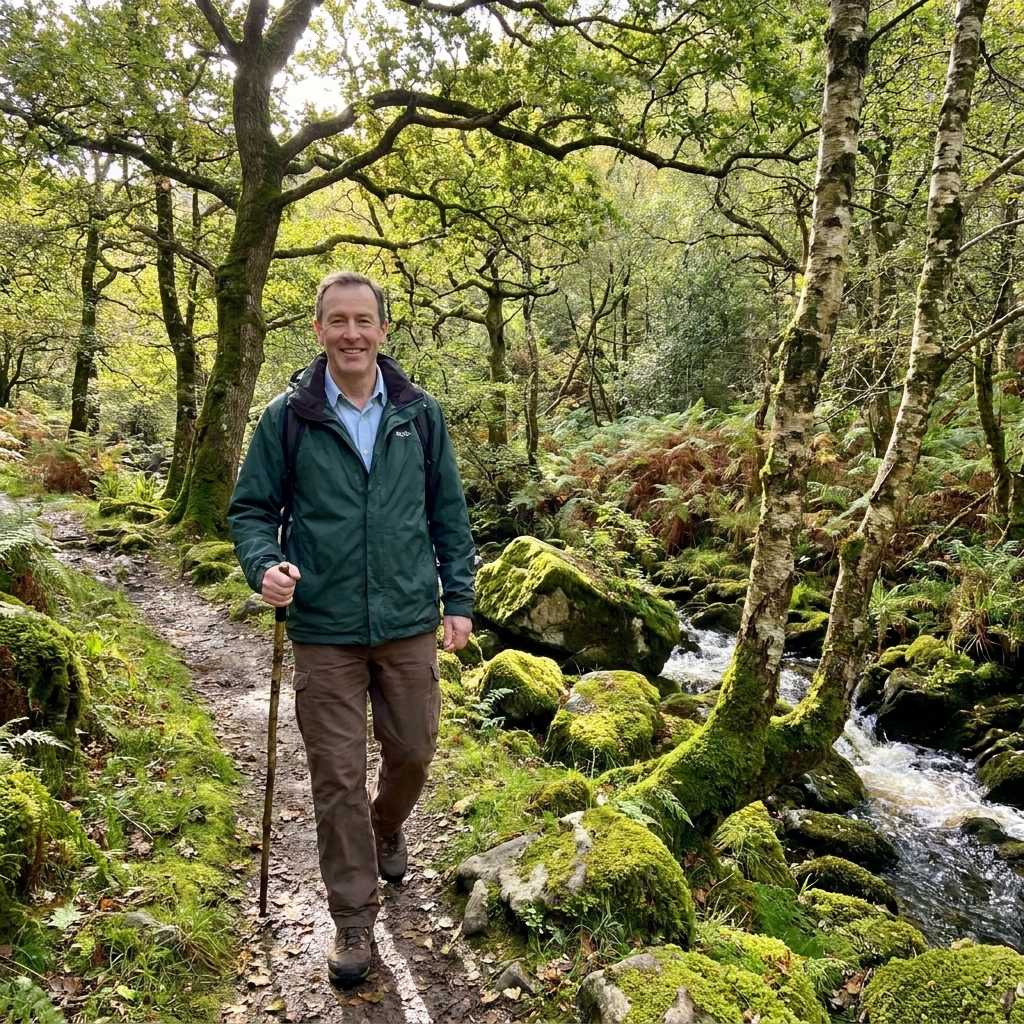
If you want one concrete stop that feels like a proper “hello” to the route, aim for a stretch through Glenariff Forest Park for a leg-stretching walk and a dose of waterfall noise. It is a handy reset if you’ve been sitting in the car too long.
Afternoon: Ballycastle base
Ballycastle is a handy base for this itinerary because it puts you close to the Causeway area without feeling like you’re staying inside a souvenir shop. It has that lived-in seaside-town feel, and if you get a calm evening the shoreline can be downright gentle for the north coast.
If you still have energy, take a short wander along Ballycastle Beach and look out toward Rathlin Island. Even when the light is flat, it feels like you are standing at the edge of something big.
Dinner
I’m forever chasing a good bowl of seafood chowder, and this stretch of coast tends to reward the effort. My rule is simple: find a place that smells like dinner, not like air freshener, and ask what came in fresh.
Day 2: Causeway and Dunluce
Goal for the day: do the geological wonder with fresh legs, then end on a ruin that looks like it’s clinging to the world by sheer stubbornness.
Wheel-turning drive time (without stops): roughly 1 to 2 hours total, depending on where you slept and what detours you add. It is a short driving day on paper, but you can easily spend hours on foot between the stones, viewpoints, and the castle.
Morning: Giant’s Causeway
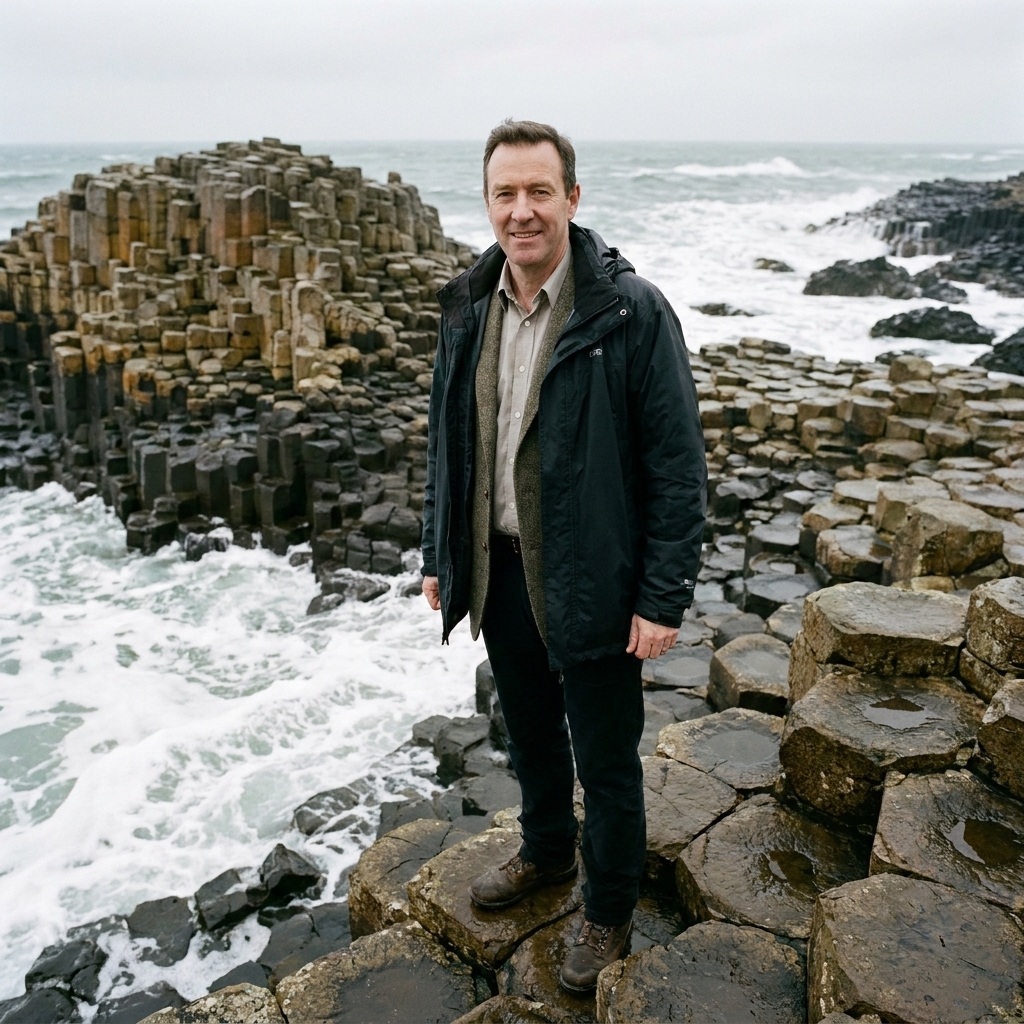
Even if you’ve seen a hundred photos, the real thing is stranger. The basalt columns look engineered, like someone laid them by hand and then walked away mid-project. It is one of those landscapes that makes myths feel practical.
Parking and approach: the most straightforward first-timer approach is the visitor centre parking and the marked routes down to the stones. If you want less friction, arrive early. By late morning and midday, the Causeway area can feel busier on the paths and around the car parks.
Footing: when the basalt is wet, it can be slippery. Slow down, watch your step near the waterline, and do not assume “that rock looks flat” means “that rock is friendly.”
Midday: a quick viewpoint stop
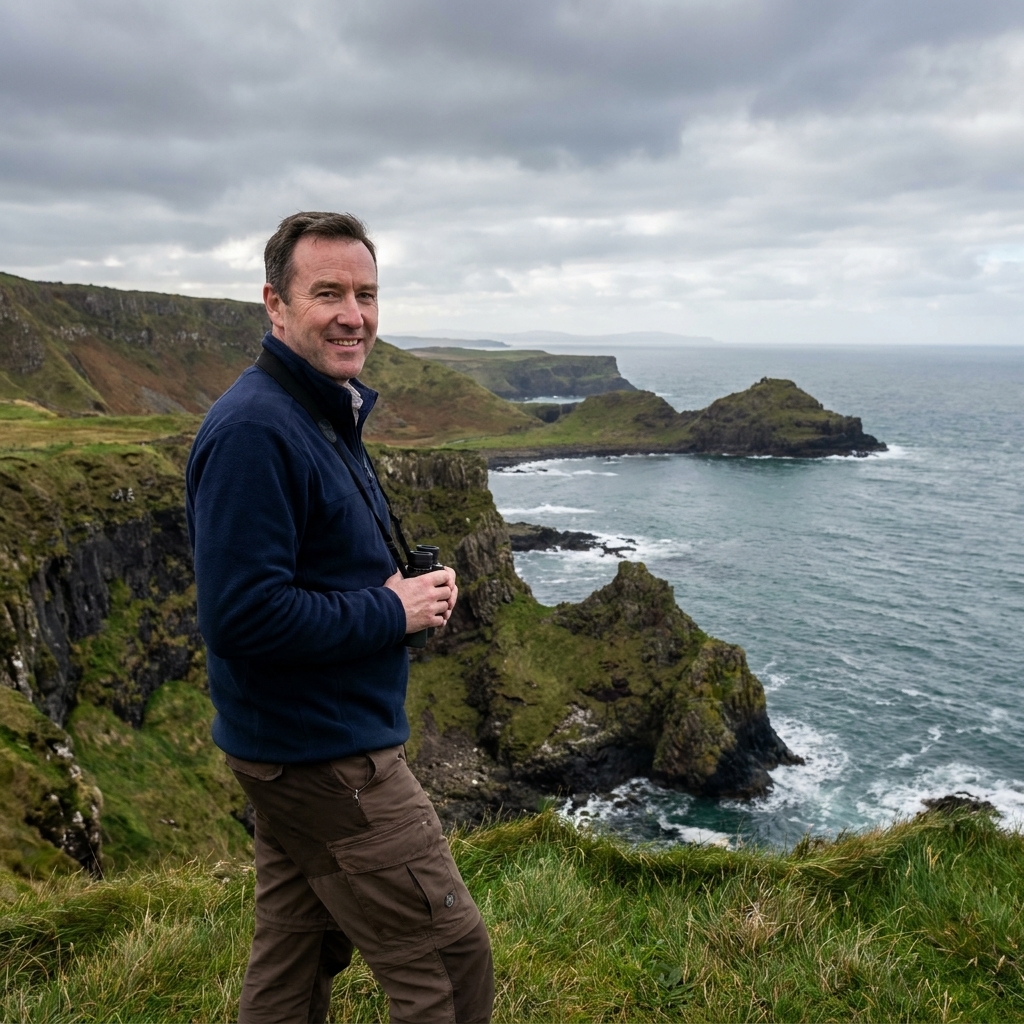
If you want a simple, high-reward break between the Causeway and Dunluce, pull in at Portaneevy View Point for a look out over the coastline and the rope bridge area. It is the sort of stop that takes ten minutes, then somehow turns into twenty.
Afternoon: Dunluce Castle
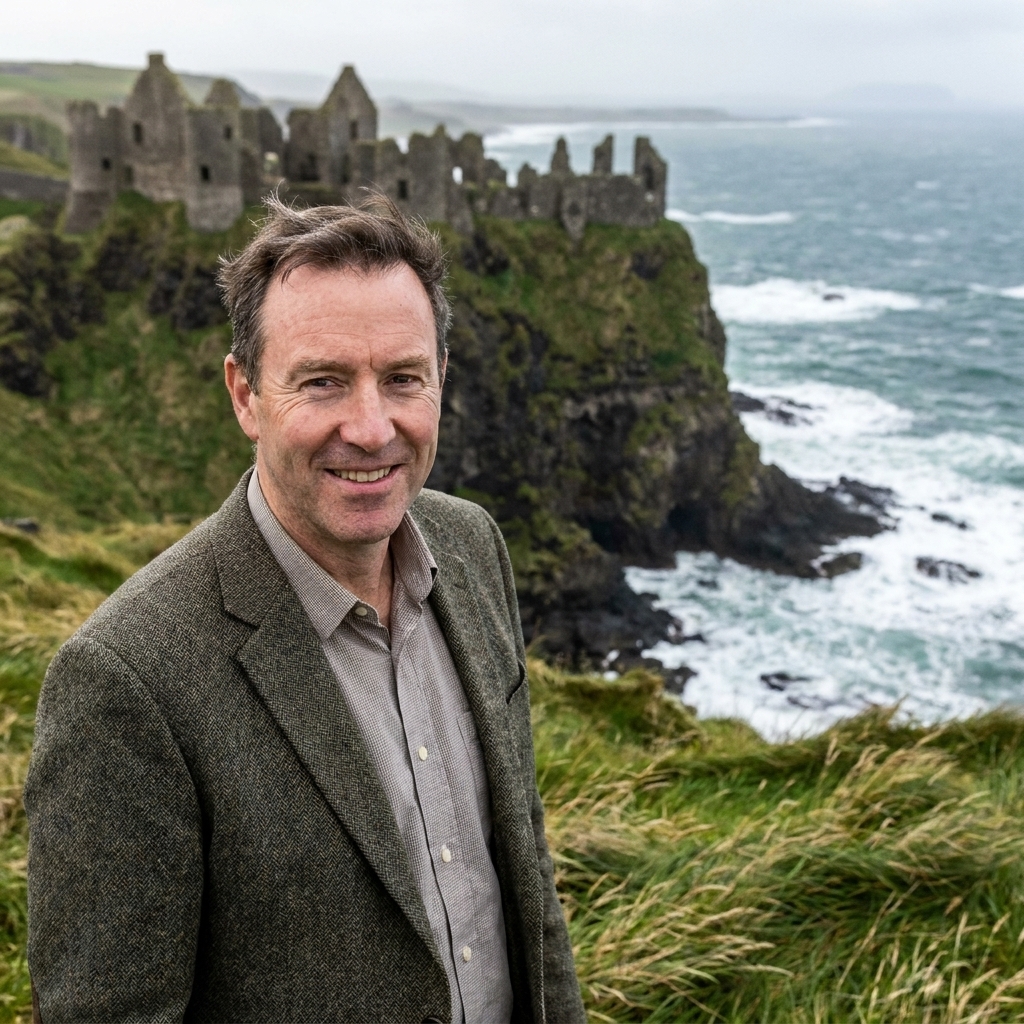
Dunluce is the kind of ruin that makes you lower your voice without realizing it. Perched on the cliffs, it feels half romantic and half ominous, especially when the wind is up and the sea below is booming.
Practical note: it is a ticketed site with set hours, so check the official opening times before you commit your afternoon to it, particularly in shoulder season. Give yourself enough time to walk the perimeter slowly. I always end up lingering on the edges, looking down at the rocks and thinking about what it must have taken to build anything here in the first place.
Cliff-edge caution: the views invite you to drift closer. Stay behind barriers and keep kids close. The wind can arrive like a shove.
Evening: a simple coast stop
If the light cooperates, this is your evening for a quiet pull-in and a look back at the sea. Some nights it goes all soft and gold. Other nights it is just grey and loud. Both count.
Day 3: Carrick-a-Rede to Derry
Goal for the day: save the rope bridge for early morning, then head west toward Derry-Londonderry without feeling like you are racing the clock.
This day order is deliberate. Carrick-a-Rede is close enough to the Causeway area that people often pair it with Day 2. I like it on Day 3 because you can go early (when it is calmer and less queued), then use the rest of the day as a long coastal finale toward Derry-Londonderry.
Wheel-turning drive time (without stops): about 1.5 to 2.5 hours, depending on your route. The most coastal-feeling option is also the slowest, so if you hug the water and add beach stops, it will take longer in the best way.
Morning: Carrick-a-Rede Rope Bridge
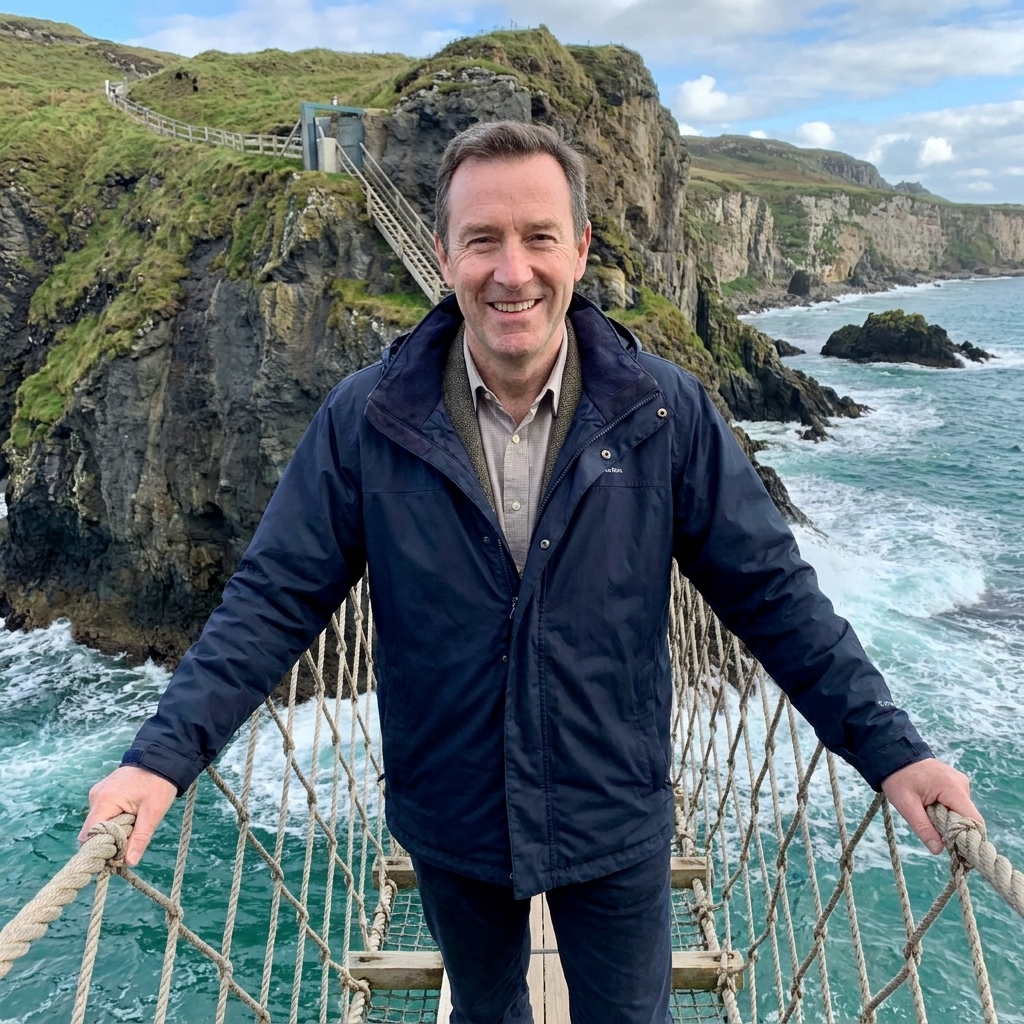
I’ll be honest: even if you’re not afraid of heights, the first few steps can make your stomach do a small Irish jig. The bridge sways. The water below looks busy and cold. Then you get into the rhythm of it, and suddenly it’s pure adrenaline mixed with pure scenery.
Booking and wind: timed entry is common, especially in busy months, and high winds can shut the crossing. If it is cancelled, do not waste the day sulking in the car park. The coast nearby still gives you plenty for your trouble.
Comfort and access: wear shoes you trust, and be honest about heights. It is also not a great fit for everyone with mobility limitations due to steps and uneven paths. There is still plenty of coastline to enjoy without crossing the bridge.
Midday: follow the coast west
From here, you have a choice: beeline inland when you are tired, or keep hugging the water and let the last miles be the victory lap. If you have the energy, stick with the sea a while longer.
Two easy, headline-adjacent options if you want something concrete:
- Portrush for a breezy promenade and a quick bite if you are running on fumes.
- Portstewart Strand for a long, sandy walk that feels like a different planet after all that basalt and cliff.
Evening: Derry-Londonderry
Derry-Londonderry is a rewarding finish because it shifts you from raw nature into layered history and city atmosphere. Try to arrive early enough to stretch your legs and get dinner without rushing.
Where to stay
For this three-day route, I like splitting nights like this:
- Night 1: Ballycastle (or nearby), so you are positioned well for the Causeway area
- Night 2: stay again in the same area if you prefer not to pack up, or shift slightly west if you want a new base
- Night 3 (optional): Derry-Londonderry if you’re continuing your trip
The best stays along the route are often small, locally run places where someone will happily tell you which pull-in has the best view this week, and which road to avoid if the weather turns.
Food to look for
This stretch is made for simple, hearty coastal eating. A few reliable cravings to plan around:
- Seafood chowder when the wind has chewed through your jacket
- Fresh fish and chips eaten outside while you pretend the gulls are not watching you
- Warm scones and tea on a rainy afternoon when you need to dry out
If you’re curious about how people actually eat day to day on the island, I’ve got a deeper run-through here: What Irish People Actually Eat.
Small detours
Stop for viewpoints
The famous stops are worth it, but the route’s real charm is the unscheduled five minutes where you step out, smell salt and wet grass, and watch the sea rearrange itself.
Skip something on purpose
If you are castle’d out or bridge’d out, skip it. Grab a coffee, walk a beach, or sit in the car and listen to the rain. The coast will not be offended.
Read the road signs
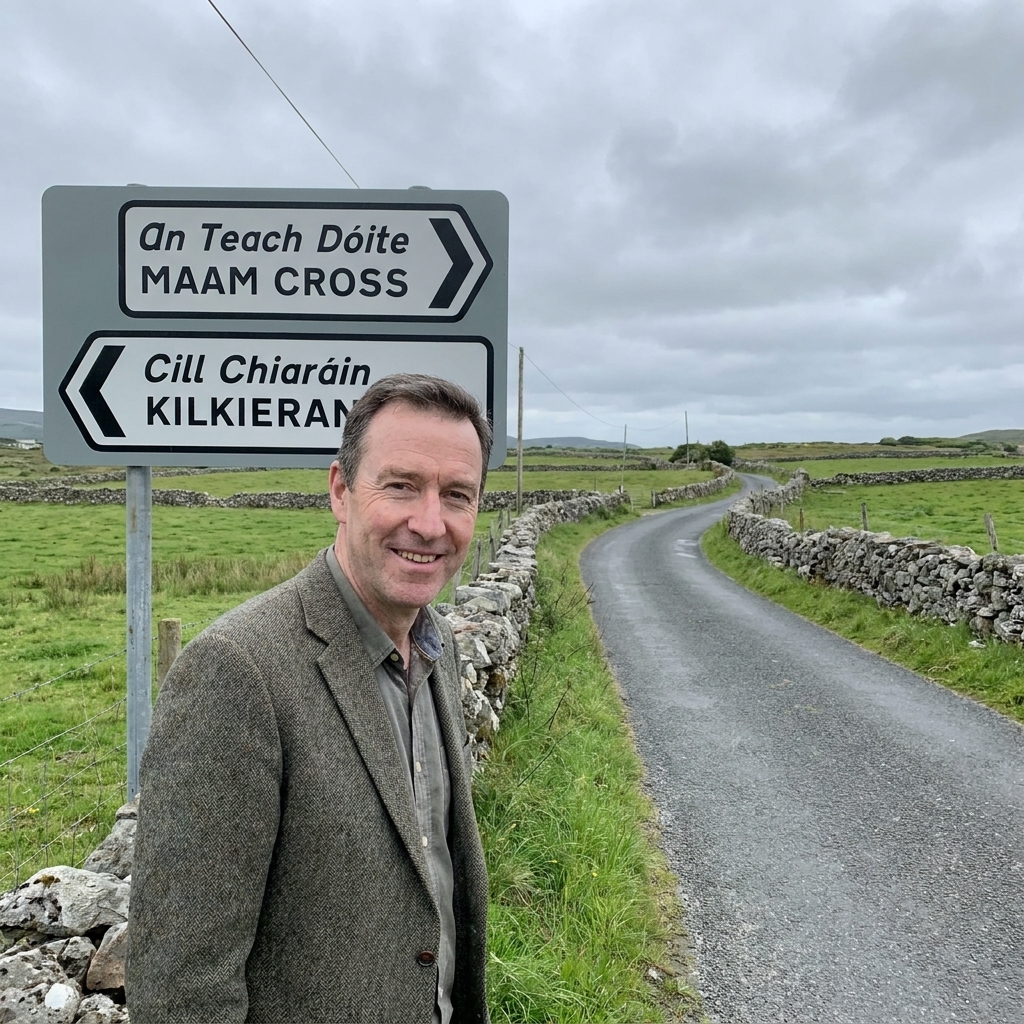
Northern Ireland place names can be a mouthful, and across the island you’ll see Irish language names too. If you enjoy decoding the story inside a name, you’ll like my guide to reading Irish road signs and Gaelic place names.
FAQ
Is 3 days enough?
Yes. Three days is a sweet spot for seeing Giant’s Causeway, Dunluce Castle, and Carrick-a-Rede without turning the trip into a blur. If you have more time, add slower mornings and extra coastal walks rather than cramming in more driving.
Do I need to book ahead?
In peak season, yes, especially for accommodation and any timed-entry slots. Also remember the basics: opening hours change by season, and weather can shut things down without asking your permission.
What should I pack?
- Waterproof layer with a hood
- Comfortable shoes with grip
- A warm mid-layer even in summer
- A small day bag for snacks and water
Any safety tips?
Cliff edges and wet rock are the two main hazards. Keep a respectful distance from drops, take your time on slippery basalt, and treat high winds as a serious condition, not a minor inconvenience.
Where next
If this northern coastline gets under your skin, you’ll probably love other big-edge landscapes too. For a southern and western contrast, have a look at my breakdown of Cliffs of Moher vs Slieve League. Different coasts, same feeling of standing on the rim of something ancient.
And if you’re stitching together a longer road trip, the Wild Atlantic Way is always waiting with more surprises than any sensible person needs: Decoding the Wild Atlantic Way.