

I used to think Irish weather had a personal vendetta against my laundry line. One minute I would be congratulating myself on a bright blue sky over Connemara, and the next I would be sprinting across a campground in my socks to rescue a towel that had just achieved full sail.
But the longer I road tripped the island in my battered campervan, the more I realized something: Ireland’s “four seasons in one day” reputation is real, but it is not magic. It is geography, ocean air, and fast-moving Atlantic systems, all packed into a relatively small island where a short drive can feel like a completely different climate.

Why Irish weather changes so quickly
If you only remember one thing, make it this: Ireland sits on the edge of the Atlantic, directly in the path of weather that barrels in from the west. That ocean influence is a blessing for green hills and mild winters, and a curse for anyone who packs like they are visiting a calm, predictable inland climate.
The Atlantic storm track
Most of Ireland’s day-to-day weather is tied to a steady stream of low-pressure systems and fronts moving in from the Atlantic. You can start the morning under a clear patch between systems, get a band of rain at lunchtime, then finish your afternoon in sunshine that looks like it never rained at all.
Small island, big microclimates
I have driven from Galway city into the Connemara hills and watched the temperature drop and the cloud thicken in under an hour. Mountains, bogs, lakes, and coastline all nudge the local weather around.
- West coast: on average wetter and windier, especially in exposed coastal spots along the Wild Atlantic Way.
- East coast: often a bit drier and more settled overall, though Dublin can still throw a proper squall at you.
- Uplands and passes: typically cooler, gustier, and quicker to collect mist and showers.
One extra detail I learned the hard way: the Midlands can feel deceptively calm compared with the coast, until you hit higher ground. A short hop into the Wicklow Mountains, the Burren edges, or a Donegal headland can turn “grand” into “where did that hail come from?” very quickly.
Rarely extreme, often damp
One of the most misunderstood truths about Ireland is that it is not usually freezing cold or blistering hot. What gets you is the combination of wind, drizzle, and stop-start showers. You can feel properly chilled at 12°C if you are damp and exposed on a headland.
Forecast reality
I check the forecast the same as anyone, but I do not treat it like scripture. In Ireland, timing is the trickiest part. The forecast might be correct about rain, but off by a couple of hours, which is the difference between a glorious hike and a soggy sandwich.
- Watch the wind as much as the rain. A breezy day can feel far colder than the temperature suggests.
- Expect showers even on “partly cloudy.” That phrase often translates to “sun breaks between quick-moving showers.”
- Trust your eyes. Dark curtains of cloud over the sea are usually marching toward you.
If you want the official Irish forecast source, Met Éireann is the national meteorological service and a useful reference when you are planning day trips: https://www.met.ie/.
How to pack for four seasons in one day
The secret is not packing more. It is packing smarter. You want a system you can adjust in two minutes outside a café, not a suitcase full of “maybe” clothes.
A simple 3-layer system
1) Base layer
Choose something that dries quickly and does not cling when damp.
- Merino wool is brilliant if you have it.
- Synthetic athletic tops work well too.
- Avoid heavy cotton as your main layer if you will be outdoors all day.
2) Mid-layer
This is the layer you will take on and off most often. Think light fleece, a thin wool sweater, or a packable insulated jacket.
- In spring and autumn, I nearly always carry a thin fleece.
- In winter, I add a light insulated layer that compresses easily.
3) Outer layer
Your outer layer does not need to be an expedition shell, but it should do two jobs: stop wind and shed rain.
- Rain jacket: a hood that cinches matters more than people think.
- Water-resistant trousers: optional for city days, very helpful for coastal walks and boggy trails.
- Umbrellas: sometimes fine in towns, often useless on the coast where the wind will turn them inside out.
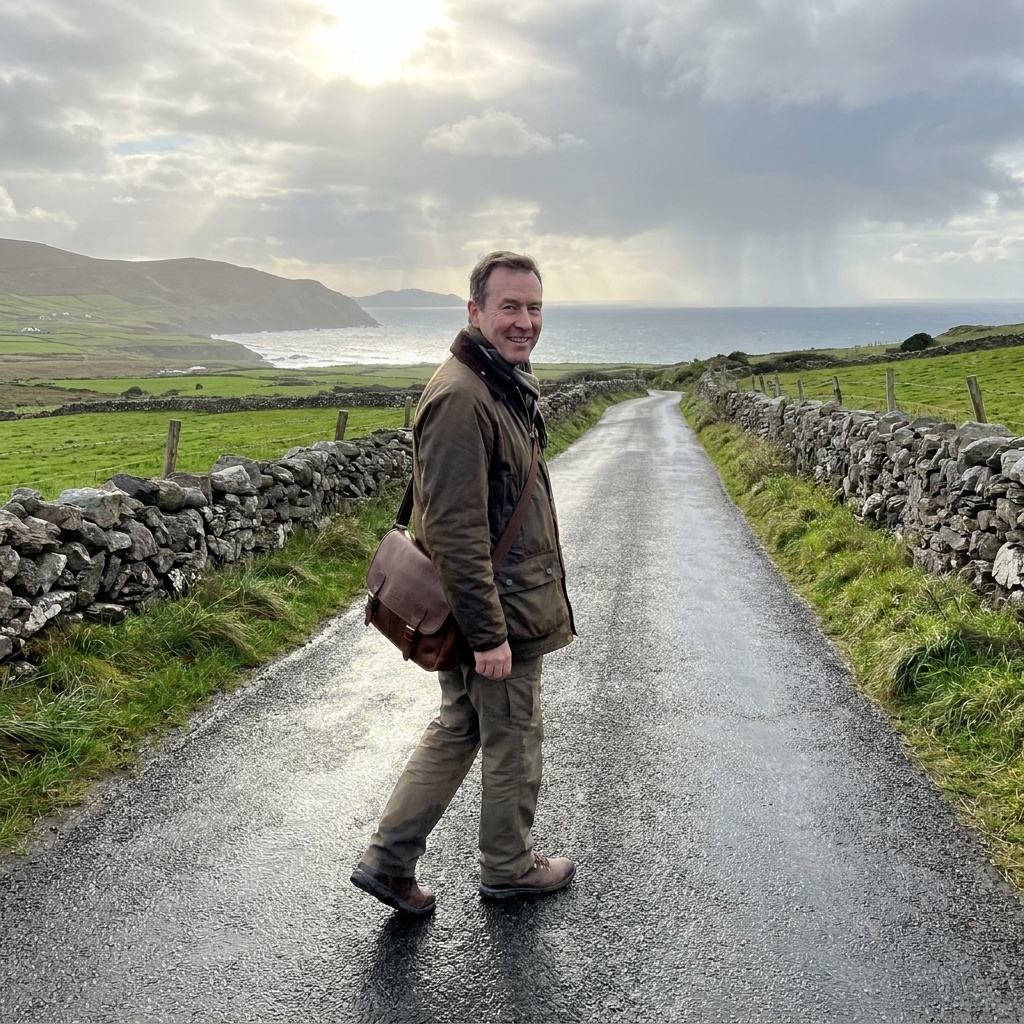
My go-to packing list
This is the kit that has kept me comfortable from blustery ferry docks to sunny afternoons that feel like a gift.
Clothing essentials
- 1 rain jacket with a good hood
- 1 warm mid-layer (fleece or wool sweater)
- 2 to 3 quick-dry tops
- 1 comfortable pair of jeans or travel trousers
- 1 pair of quick-dry trousers or leggings for walking days
- 4 to 6 pairs of socks (wool blend is great)
- Comfortable shoes with some water resistance
- A light scarf or buff (small item, big warmth)
Small items that matter
- Cap or beanie: for wind on cliffs and harbors
- Thin gloves: especially outside summer
- Daypack: for layers, snacks, and a water bottle
- Dry bag or zip bag: to protect phone and spare socks during showers
- One dry “rescue layer”: a spare top or socks in the bottom of your bag for when it is properly lashing
What to wear by season
Spring (March to May)
Spring is a mix of crisp mornings and surprisingly bright afternoons. Showers are common, and the wind can still have winter in its teeth.
- Wear: base layer + mid-layer + rain jacket
- Bring: scarf, light gloves
Summer (June to August)
Summer can be mild and gorgeous, but it is not guaranteed beach weather. Even on warm days, the breeze on the coast can feel cool.
- Wear: light base layer, carry the rain jacket
- Bring: a thin mid-layer for evenings and boat trips
Autumn (September to November)
Autumn is one of my favorite times to roam. The colors deepen, crowds thin, and the weather turns moodier.
- Wear: base layer + warmer mid-layer, rain protection always
- Bring: water-resistant footwear for leaf-slick paths and muddy lanes
Winter (December to February)
Winters are generally mild by European standards compared with inland areas at similar latitudes, but damp air and wind chill can bite. You will want warmth that still breathes when you duck into a pub.
- Wear: base layer + insulated mid-layer + windproof rain shell
- Bring: beanie, gloves, thicker socks
Layering tricks on the road
Keep your core warm
If you are walking and start overheating, do not strip down to a T-shirt in a gusty place. Open the jacket zips, loosen your scarf, or take off the mid-layer while keeping your rain shell handy for wind.
Change socks more than you think
This is the least glamorous advice I can give, but it is the most useful. Dry socks change your whole mood. If you are doing a long coastal day, pack an extra pair in your daypack.
Plan for the “pub effect”
Ireland has a talent for warm indoor spaces. If you dress too heavy with no removable layers, you will be sweating over your chowder. Layers let you peel off a fleece and enjoy yourself without feeling like a boiled lobster.
When it is lashing
If the rain is coming in sideways, do two things: keep moving in shorter bursts, and give yourself indoor “anchors.” A museum, a long lunch, a quiet shop, even a slow coffee can turn a rough forecast into a decent day. And if you have that dry rescue layer in your bag, you can get wet without staying wet.
Common myths
Myth: It rains all day, every day
Truth: It rains often, but it is frequently showery. Many days are a mix of clouds, sun breaks, and quick bursts of rain that pass through.
Myth: You need heavy winter gear year-round
Truth: You need adaptable gear. A windproof, waterproof shell plus smart layers beats a bulky coat for most of the year.
Myth: The west is always miserable
Truth: The west gets more weather on average, yes, but it also gets some of the most dramatic light you will ever see. A rainy morning on the coast can turn into an evening so golden it feels unreal.
A quick note on planning
If you are building your days around towns, cafés, and a bit of wandering, you can often dodge the worst of a passing shower and still have a grand time. I have a soft spot for slow travel, especially when the forecast looks temperamental. If you like that style, you will probably enjoy my approach in Plan an Unhurried Day in an Irish Town.
And if you are digging into the broader oddities and truths of the island, you can keep roaming through Ireland Facts.
FAQ
Do I need a waterproof jacket in Ireland?
If you will be outside more than a few minutes at a time, yes. A proper rain jacket with a hood is one of the highest value items you can bring, even in summer.
Are waterproof shoes necessary?
Not always, but they are very helpful. For city breaks, water-resistant sneakers can be fine. For cliffs, country lanes, and anywhere with wet grass, a more water-resistant shoe or light hiking boot makes the day much more comfortable.
How should I dress in one sentence?
Wear breathable layers, carry a hooded rain shell, and assume the wind will be stronger than you expect.