

I still remember the first time I heard a local in rural Kerry say, deadpan, “Ah sure, you wouldn’t want to be crossing them.” Not them as in tourists, or politicians, or even the neighbour’s sheep. Them as in the Good People, the fairy crowd. Leprechauns came up the way they often do in Ireland, not as a cartoon in a souvenir shop, but as a sideways warning, delivered with a half-smile and the kind of eye contact that says, “I’m joking… unless I’m not.”
If you’re headed for Ireland’s folklore museums, story trails, and small-town pubs where the best mythology is still traded person-to-person, here are 11 surprising truths about leprechaun folklore that don’t make it onto the fridge magnets.

1) Not a lucky mascot
The modern leprechaun, all grin and glittering gold, is a recent costume. In older Irish storytelling, a leprechaun is better understood as a solitary fairy figure with sharp edges. He is not your cheerful guide to “Irish luck.” He is a reminder that the otherworld operates by its own rules, and humans do not get to set them.
In other words, when a tale features a leprechaun, he is rarely there to bless you. He’s there to test you.
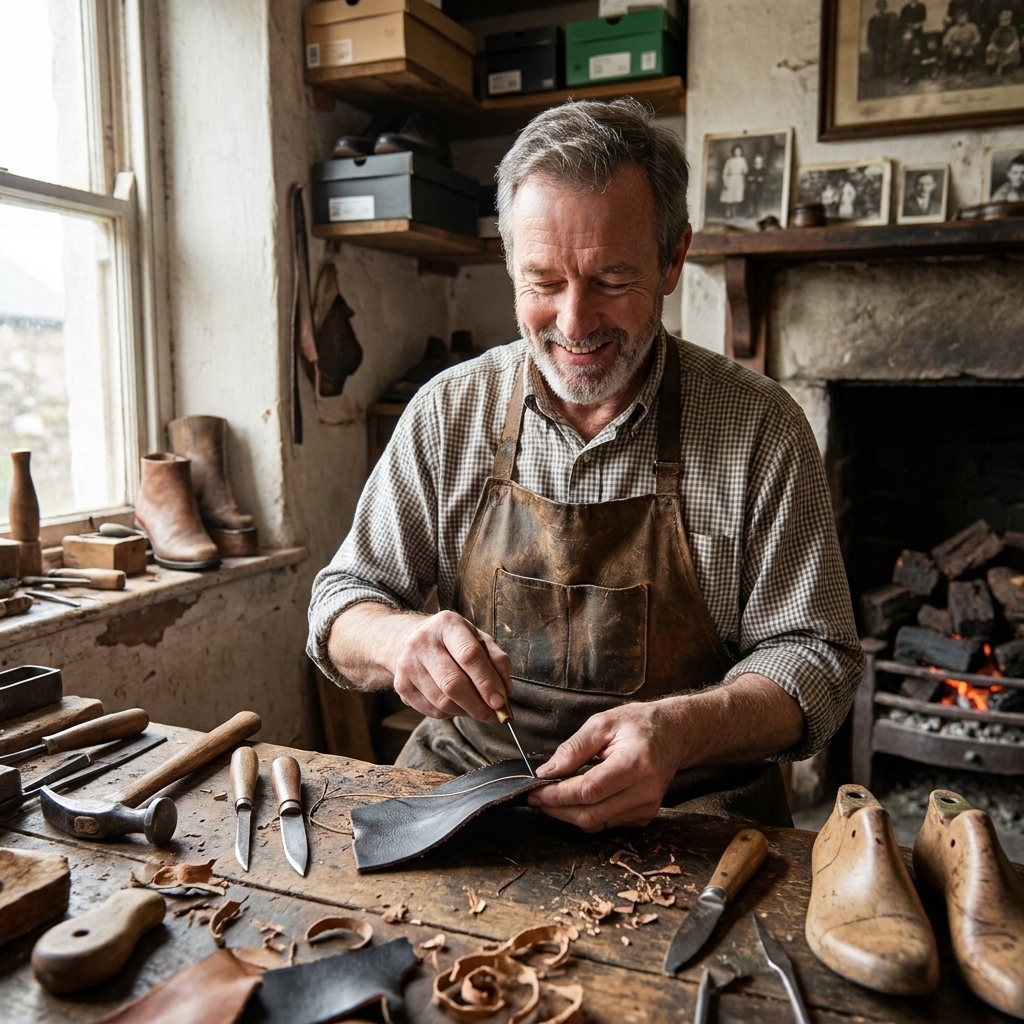
2) More cobbler than gold
The old stories love a trade, and the leprechaun’s classic job is a cobbler. You’ll often hear the detail that he is mending a single shoe, which gives the whole thing a peculiar intimacy, like you’ve stumbled into someone’s tiny workshop mid-task.
That shoemaking detail matters because it roots the leprechaun in everyday rural life. The fairy world is not “far away” in these tales. It’s right there beside the human one, tucked into hedges, forts, and lonely fields.
3) Solitary and touchy
If you picture a leprechaun leading a singalong, you have been sold an export version. Folklore tends to paint him as solitary, watchful, and irritable, the kind of character you’d hear before you see.
That “alone” quality also separates him from the big, bustling fairy crowds you meet elsewhere in Irish tradition. He’s more like a small, independent operator in the wider fairy ecosystem.
4) The gold is a test
Yes, there’s treasure in the stories. But the gold is not a clean reward for bravery. It’s closer to a narrative snare, a test of greed, attention, and manners.
Many tellings hinge on a person keeping their eyes on the leprechaun. Blink, look away, answer a question, get distracted by a sound behind you, and he’s gone. The “pot of gold” becomes a lesson: if you chase easy riches, you often end up with neither.
5) The name is debated
Depending on who you ask, you’ll hear different explanations of where the word “leprechaun” comes from, and it’s worth saying plainly that the etymology is debated.
One commonly cited line runs from Irish leipreachán back to an older form, often given as luchorpán, usually glossed as something like “small body”. Another popular explanation links it to leath bhróg, “one shoe” or “shoemaker,” which suits the cobbler motif but is not universally accepted.
What matters for travelers is this: the name doesn’t arrive wrapped in rainbows. It carries the feel of something old, half-shadowed, and tied to a landscape where people once explained danger, loss, and sudden misfortune through story.
6) A specific kind of fairy
In Ireland you’ll hear people say “the fairies” in a broad, catch-all way, and you’ll also hear more specific categories and characters. Leprechauns sit inside that larger fairy tradition. They’re best understood as a particular type of fairy figure, not a synonym for every otherworldly thing that ever rattled a ditch at night.
If you want a gentle primer on how Irish stories parcel up the world into saints, spirits, and strange in-between beings, the best starting point on this site is my Ireland facts guide, which points you toward the bits of culture that still show up in daily conversation.
7) Etiquette, not just fun
Folklore in Ireland is frequently practical. Leprechaun tales are packed with social instruction, and in many places you can feel the underlying message without anyone spelling it out:
- Do not be greedy.
- Do not be rude to strangers.
- Do not trespass on places with old meaning.
- Do not boast about outsmarting the otherworld.
Even when the tale is funny, it’s the laughter of someone telling you, “And that’s why you mind yourself.”
8) Catching one is messy
A lot of visitors arrive with the basic premise: catch the leprechaun, get the gold, retire early. Folklore is less generous. In many tellings, the leprechaun bargains, distracts, wriggles out, or turns the human’s cleverness back on them.
A classic kind of moment goes like this: you keep your eyes pinned on him, determined not to blink. Then he points or shouts, you flinch, you glance, and that’s it. Gone. The point is not that the leprechaun is a superhero. The point is that humans who try to control the otherworld tend to learn, quickly, that they are not in charge.
9) Always local
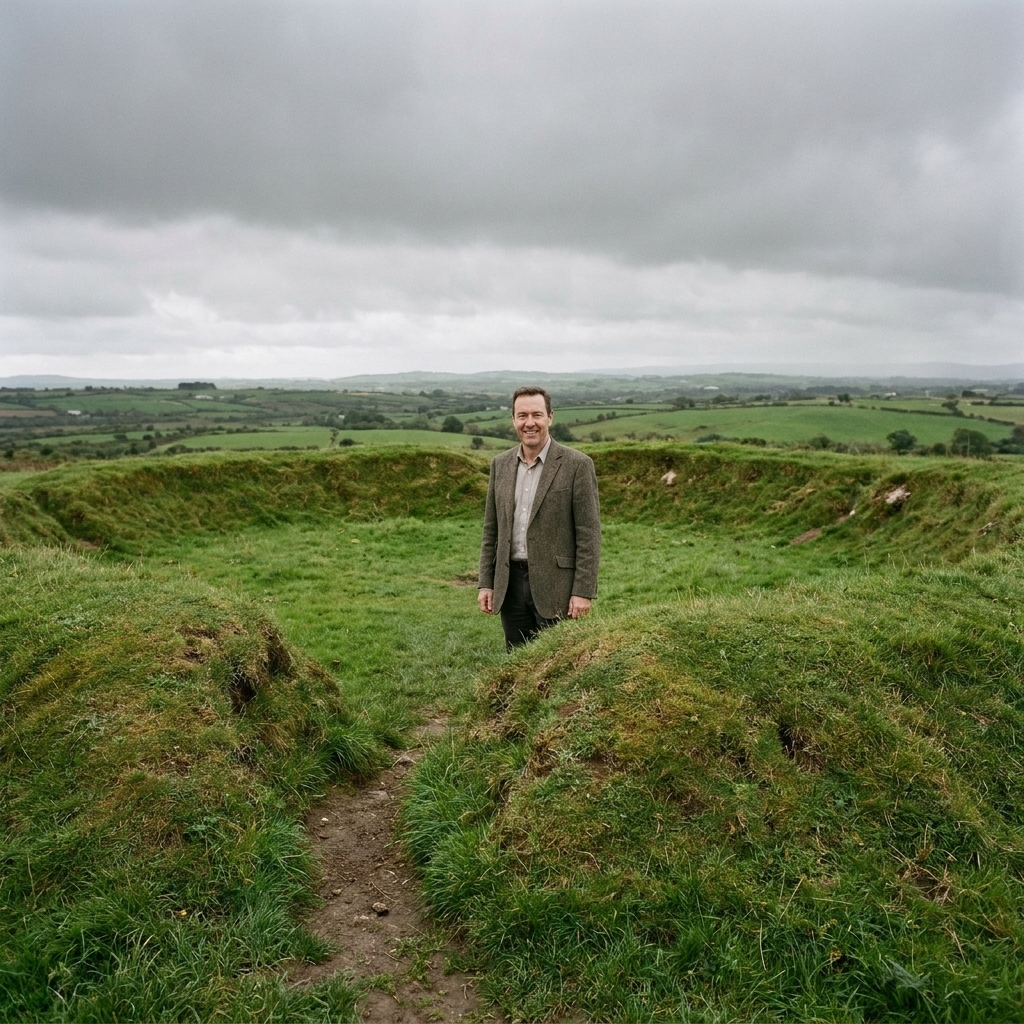
There is no single official “leprechaun canon” agreed upon by every parish and peninsula. One of the joys of traveling Ireland slowly is hearing how a story shifts from county to county, or even from one pub to the next.
A small note that helps set expectations: a lot of what we call “leprechaun lore” was written down in the 19th and 20th centuries from earlier oral tellings. That means you get variation by design. The stories were alive first, and the page came after.
If you want to structure your trip around the kind of places where these stories still breathe, start with my places to visit guide. I’m always chasing the smaller stops, the ones where the land has time to talk.
10) Not always green
Green is Ireland’s branding colour now, especially around March, but older descriptions of fairy figures are more varied. In some 19th-century accounts, leprechauns are described in red, and elsewhere you’ll hear different colours and styles depending on the region and the storyteller.
The all-green uniform is a modern simplification, strengthened by postcards, parades, and pop culture. If you come to Ireland around the festival season and want the real background behind the pageantry, my St. Patrick’s Day guide helps separate tradition from tourist gloss.
11) Dark means consequence
When people say leprechaun folklore has a dark side, they’re usually not talking about horror-movie violence. They mean something subtler and older: the stories insist that actions have consequences, especially when you act with arrogance toward a world you don’t understand.
That’s why you’ll still hear euphemisms like the Good People, and why certain landscapes are treated with a careful respect. Even if you don’t believe a word of it, you can feel what the stories are really about: community memory, land, loss, luck that turns, and the uneasy sense that not everything is yours to take.
Museum mindset
If you’re visiting a folklore museum or exhibit in Ireland, here are three ways to get more out of it than the standard “selfie with a leprechaun” moment:
- Listen for occupations and objects like shoes, coins, tools, churns, and forts. Those details tie the myth to lived life.
- Notice the moral of the tale. Irish stories often teach you how to behave more than they try to scare you.
- Ask about local variations. The best staff and guides love explaining how the story shifts across regions.
And if you ever find yourself walking a boreen at dusk, a hedge on either side, the air suddenly quiet, keep your eyes up and your manners intact. That’s the old advice, anyway. I’ve tried not to argue with it.
If you want to get a feel for the way small-town Ireland holds onto stories, I wrote a slow-travel piece you might enjoy: Plan an unhurried day in an Irish town.