

I first heard the words fairy fort said the way you’d say ambulance, with that same little edge of urgency, when I was camped outside a small townland in the west. I’d parked up near a field gate, admiring a perfectly round rise in the pasture, and an older fellow walking his dog gave me a look that was half warning, half amusement.
“You can look,” he said, nodding at the mound, “but don’t be climbing it. That’s not for us.”
That is the thing with Ireland’s so-called magical landscapes. They’re often real archaeology sitting in the middle of real working farms, wrapped in stories that have lasted because they still do a job. They remind people to leave places alone. If you want to spot fairy forts and wishing trees while you travel, you can absolutely do it, safely and respectfully, without turning anyone’s home ground into a theme park.
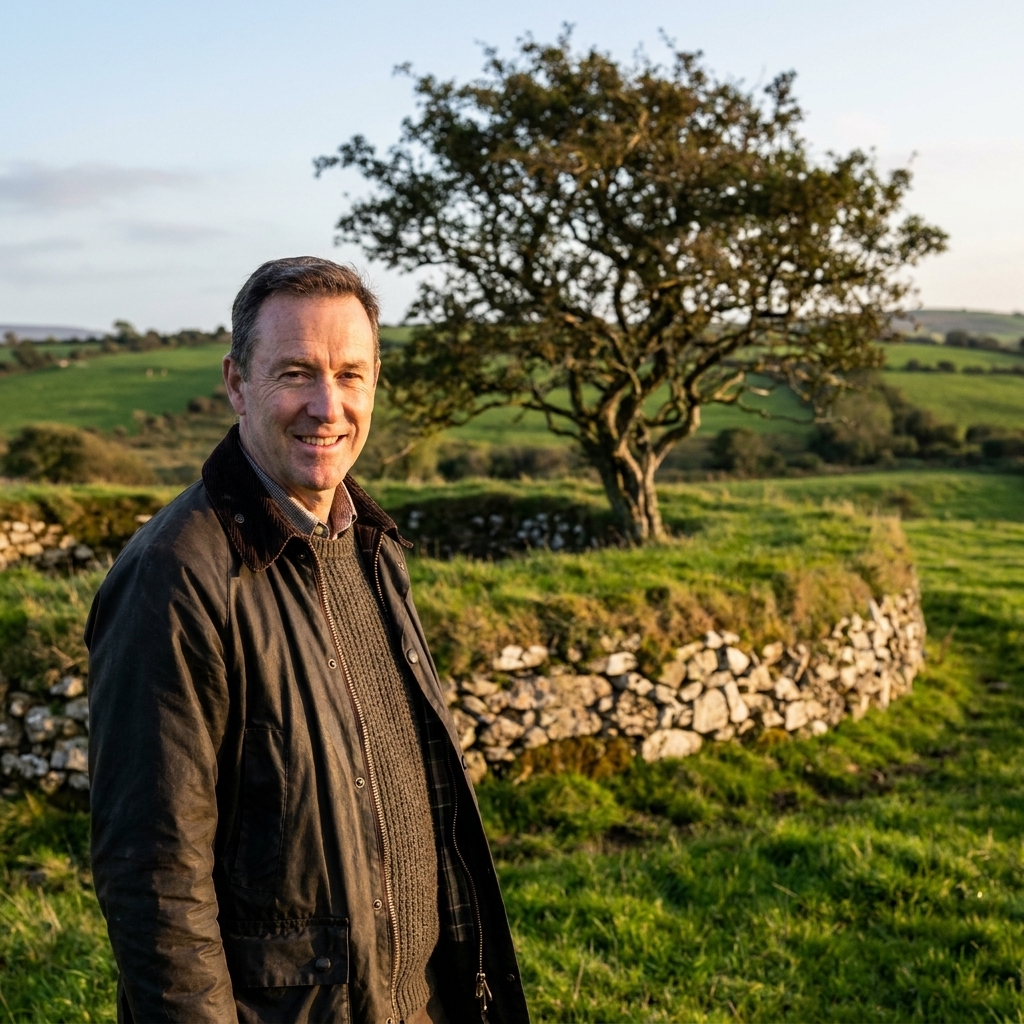
What is a fairy fort?
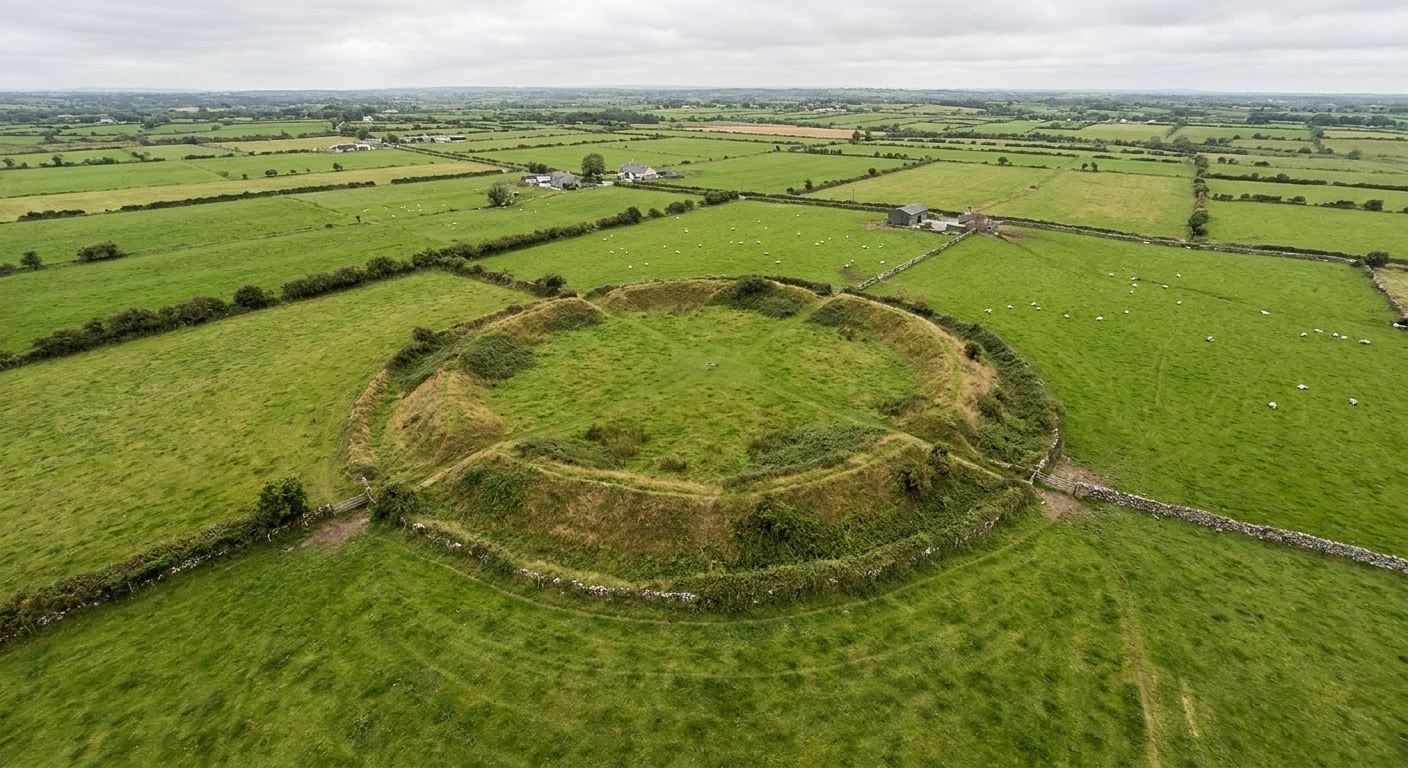
“Fairy fort” is the modern travel-friendly term you’ll hear, but many of these sites are better understood as ringforts or raths: circular earthworks, sometimes with a low bank and ditch, sometimes with a stone wall, built mainly in the early medieval period (roughly AD 500–1000). You’ll also hear lios (Irish for an enclosure) in many areas, and cathair in some stonier regions where dry-stone rings were practical.
In plain terms, many were farmsteads and defended homesteads, not “forts” in the castle sense. Families lived inside these circles with animals nearby, using the raised banks as a boundary and a statement: this is our place.
Story and site
Over centuries, as the original builders disappeared from memory, these circular enclosures became places that felt older than the surrounding landscape. Irish tradition folded them into the Otherworld. The fairies, the Aos Sí, the Good People, whatever name your storyteller prefers, took up residence in the imagination where the historical residents had once been.
One small practical note for travelers: locals sometimes use “fairy fort” as a catch-all for more than one kind of old monument. Plenty are ringforts, but a mound or enclosure can pick up the name too. The safest assumption is simply this: if it looks ancient, treat it like it is.
That blend is part of why they remain culturally protected even when they are not formally fenced. There is often an unspoken rule in rural Ireland: don’t interfere with the ring.
If you enjoy this side of the island, you might also like my deep dive into folklore on Irish leprechaun traditions. Different characters, same living current of story.
How to spot one
Some ringforts are obvious. Others are so softened by time that you’ll swear it is just a gentle swell in a field until you notice the curve is too neat to be accidental.
Common signs
- A near-perfect circle or oval, often raised, often with a shallow ditch outside the bank.
- A ring of trees or gorse tracing the curve. Even a handful of hawthorn can give the outline away.
- A solitary hawthorn (or a small cluster) sitting just inside or beside the ring, like a natural marker.
- A change in grass color or texture around the circle, especially in low light.
- A slight lip where the bank meets flatter ground, easiest to see when the sun is low.
My best advice is simple: look for circles at golden hour. Morning and evening shadows do more archaeology work than any zoom lens.
What is a wishing tree?
Irish “wishing trees” can mean a few different things, and that is where visitors sometimes get mixed up.
1) Rag trees
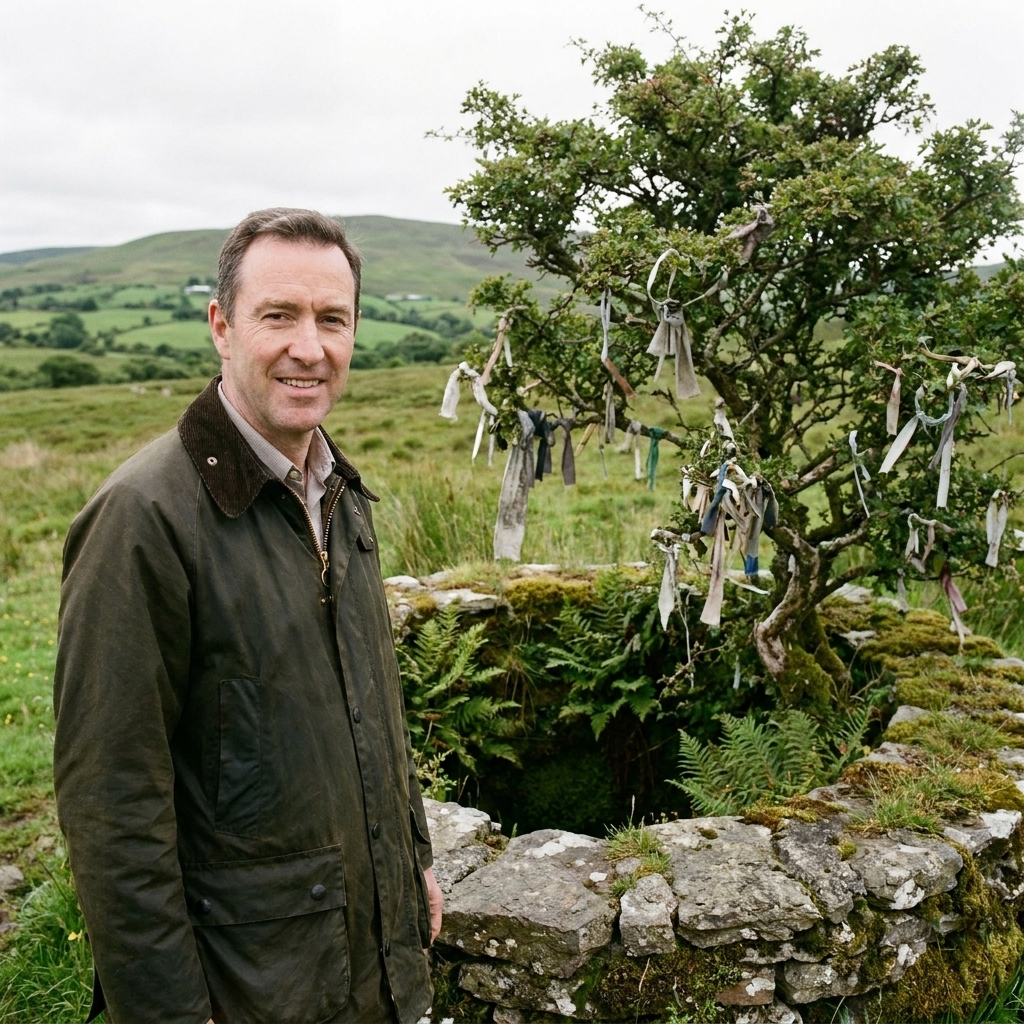
In some parts of Ireland and Britain, you’ll find trees near holy wells covered in strips of cloth. These are often called rag trees or clootie trees. The tradition is tied to folk healing and devotion, not “fairies” in the tourist sense. People leave a piece of cloth while making a prayer or wish, and in some traditions, as the cloth weathers and decays, the trouble is said to fade with it.
2) Coin trees
You may also see what people call a “coin tree,” where coins have been hammered into bark. This is widely discouraged, and it badly damages the tree. In Ireland it is generally not regarded as an older, rooted tradition in the same way as holy well practices. Where it exists, it often looks like a recent habit that spread because it photographs well.
If you take nothing else from this article, take this: don’t start a coin tree. It harms living trees and encourages copycat damage.
3) Hawthorn and the fairy tree
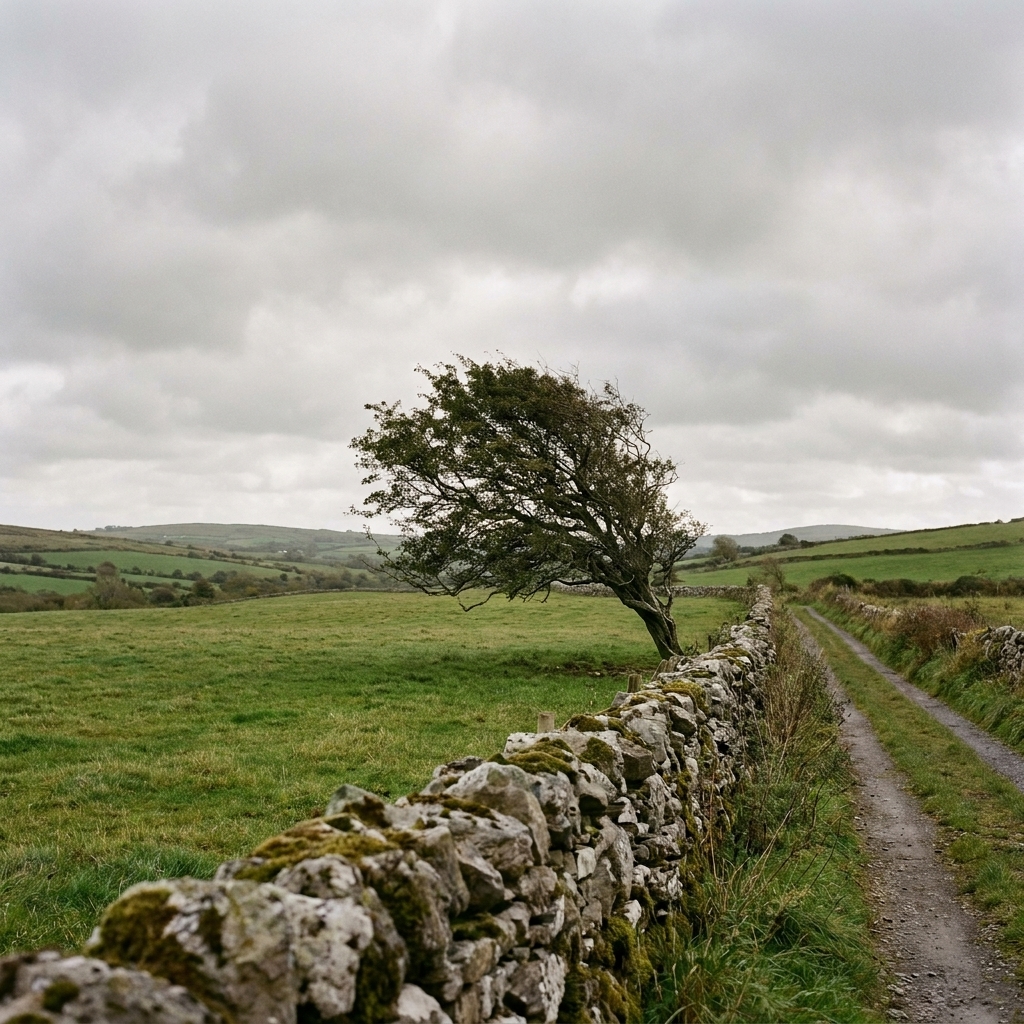
The tree most often wrapped up in fairy lore is the hawthorn, especially a lone hawthorn standing in an open field or at a crossroads. Hawthorn blooms around Bealtaine (May Day), and it carries a powerful cultural charge. People will tell you, sometimes with a grin and sometimes deadly serious, that you do not cut it down.
Why locals take it seriously
I’m not here to tell you what to believe. I’ve met farmers who will swear blind the fairies are real, and I’ve met farmers who’ll laugh, then still refuse to disturb a ringfort because “why invite trouble?”
Either way, the respect persists for a few grounded reasons:
- It protects heritage. Folklore is a kind of community-level conservation system. Don’t mess with it means the site survives.
- It protects property and livestock. These places are often on private land. A story is sometimes more effective than a sign.
- It protects people. Old earthworks can have hidden holes, unstable edges, and thorny scrub. Staying off them is, frankly, sensible.
- It keeps peace in small communities. Even if someone doesn’t believe, they usually respect the neighbor who does.
How to visit respectfully
Here’s the practical, boots-on-the-ground bit. You can enjoy these places without stepping over a single boundary.
Do this
- View from the road or public right of way. Many ringforts are visible from minor roads. Pull in safely, don’t block gates, and enjoy the view.
- Assume the field is private unless clearly marked otherwise. In Ireland, access works differently than in some countries. “It looks empty” is not permission.
- Close gates if you are allowed through one. If a landowner gives explicit permission, treat that as a gift. Leave everything exactly as you found it.
- Keep dogs on a lead near livestock. Sheep and cattle do not need the stress, and neither do you.
- Take photos, not souvenirs. No stones, no flowers, no “just a little branch.”
Avoid this
- Don’t climb the bank or walk the ring. Erosion is real, and these earthworks are easily damaged.
- Don’t dig, probe, or metal-detect. Detecting in Ireland requires a licence, and detecting on or near recorded monuments without the relevant consents is prohibited. Either way, it is not your site to poke at.
- Don’t light candles or leave glass offerings. Fire risk and litter are a miserable legacy to leave behind.
- Don’t fly drones over homes or farmyards. Even where legal, it’s intrusive. If you must fly, do it thoughtfully, away from people and animals, and within Irish rules.
If you want more everyday, low-friction ways to be a good guest in rural Ireland, I wrote a whole itinerary-minded piece on planning an unhurried day in an Irish town. The same approach works in the countryside: slow down, observe, don’t take up too much space.
And if you want to visit a fairy fort properly, pick one that is clearly set up for visitors: a heritage site with signage, a marked path, or a place you’ve been explicitly welcomed onto. You’ll get a better look, and you will not spend the afternoon wondering who is watching you from the kitchen window.
Wishing trees: do no harm
If you stumble on a tree already covered in rags near a holy well, treat it like a place of quiet local devotion. Look, photograph, and move gently.
- Do not add plastic, ribbons, or synthetic fabric. If people continue the tradition, natural cloth that decays is the least harmful. Adding plastic is just litter that lasts for years.
- Never hammer coins, nails, or pins into bark. That is injury, not tradition.
- Don’t strip bark, cut branches, or tie tight cords. Anything that girdles a branch can kill it.
- If you want to make a wish, do it quietly and leave no trace. You don’t need an object to mark the moment.
Are they protected by law?
Many are, yes, but protection in Ireland can be a patchwork: some sites are recorded monuments, some sit within protected landscapes, and some are simply known locally and left untouched. Even when there is no fence and no sign, you should treat them as fragile archaeological sites.
If you’re curious about the official side of things, the National Monuments Service explains how archaeological monuments are recorded and protected. It’s useful context, but the on-the-ground rule stays the same: don’t enter unless you have clear permission.
Before you hop a ditch
I’m going to say this plainly because it saves trouble: don’t hop a ditch. But if you’re ever tempted, run through this checklist first.
- Is there a visible path and a sign that says it’s open to the public? If not, stop.
- Is there livestock in the field? If yes, stop.
- Is there a gate and have you been invited through it by the landowner? If not, stop.
- Is the ground wet, steep, thorny, or uneven? Even if you had permission, that’s a twisted ankle waiting to happen.
- Would your presence damage grass, banks, or plants? If yes, stop.
There’s a lot you can see from the edge: the curve of the bank, the way the land rises, the hawthorn watching over it like a little sentinel. You don’t need to stand on top of the ring to feel the age of it.
FAQ
Are fairy forts the same as stone circles?
No. Stone circles are typically prehistoric monuments, many dating to the Late Neolithic and Bronze Age, while ringforts are usually early medieval farm enclosures. Both can attract folklore, but they are different site types with different stories and timelines.
Can I touch a fairy tree?
Touching a tree isn’t the issue. Damaging it is. Avoid tying anything to it, carving bark, breaking branches, or compacting the roots by trampling around the base.
What should I do if I accidentally park by a field gate?
Move. Even if you think you’re only “half blocking it,” farm vehicles are wide, and emergencies happen fast. Pull into a proper lay-by or a spot that clearly leaves the entrance fully clear.
Is it rude to take photos of fairy forts on private land?
From a public road, it’s generally fine. From inside the field, you need permission. If a house is in view, be mindful that you are photographing someone’s home landscape.
Leave it intact
One of my favorite things about Ireland is that the myth and the everyday share the same hedgerows. A ringfort can be a historical home, a fairy dwelling, and a farmer’s awkward patch of land all at once. The stories aren’t there to entertain tourists. They’re there to keep a relationship with the place.
If you travel with that in mind, you’ll spot fairy forts and wishing trees everywhere, and you’ll leave them exactly as you found them, which is the only way the next wanderer gets to feel that same quiet shiver of old Ireland.
For more small, useful cultural context while you’re on the road, I keep an ongoing hub of travel-friendly trivia and background in Ireland facts.