

Ireland has a habit of hiding its best stories under your feet.
I learned that the first time I ducked into a cave to escape a sudden Burren shower and came out an hour later feeling like I had walked through the island’s ribcage. Above ground you get cliffs, ruins, and green fields. Underground you get something older, quieter, and a bit more intimate: dripping limestone, cathedral-sized chambers, and the kind of darkness that makes you listen properly.
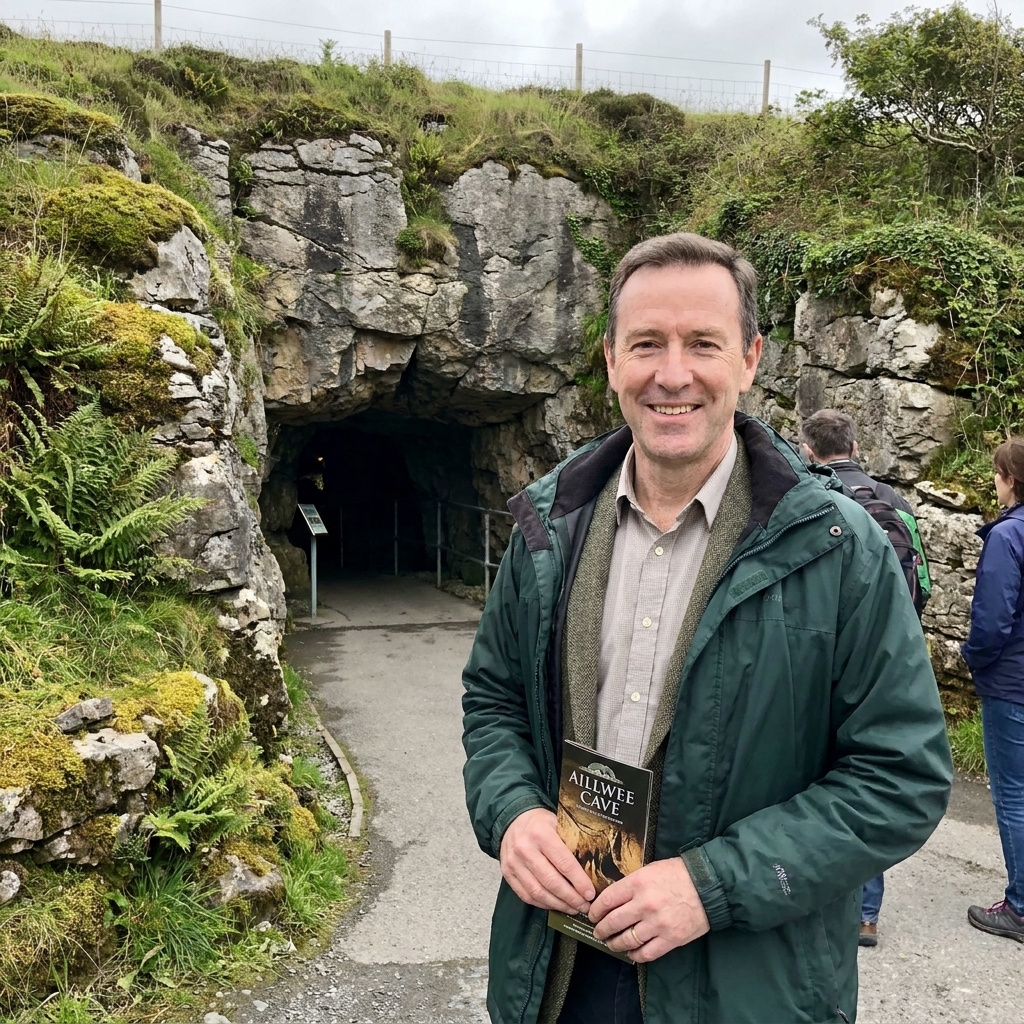
Here are seven of my favorite caves to visit in Ireland, with the sort of practical tips I always wish I had before I pulled into the car park.
Before you go underground
- Bring a layer. Caves sit at a steady year-round chill. Even in July, you will be glad of a light jacket.
- Wear grippy shoes. Paths are usually paved, but damp stone and cave steps can be slick.
- Expect steps and low ceilings. Many showcaves have handrails and lighting, but you will still be climbing and ducking.
- Check tour times. Most of these are guided tours with set departures, and some run seasonally or on reduced midweek schedules outside summer.
- Think about accessibility early. Caves and wheelchairs rarely get on well. Even when a site is visitor-friendly, stairs can be unavoidable.
- Leave no trace. Caves are fragile ecosystems. Stay on the path and resist the temptation to touch formations.
If you’re building a wider itinerary, my broader roundup of towns, coasts, and classics is over on Places to Visit. And if the forecast is doing its usual thing, you will get value out of the truth about Irish weather before you commit to a long scenic drive.
1) Aillwee Cave (County Clare)
Best for: A classic first Irish cave and an easy add-on to the Burren.
Aillwee is the cave I send people to when they want a satisfying underground experience without fuss. It’s a limestone system with big chambers, echoing turns, and the kind of formations that look like they were sketched slowly, one mineral drip at a time.
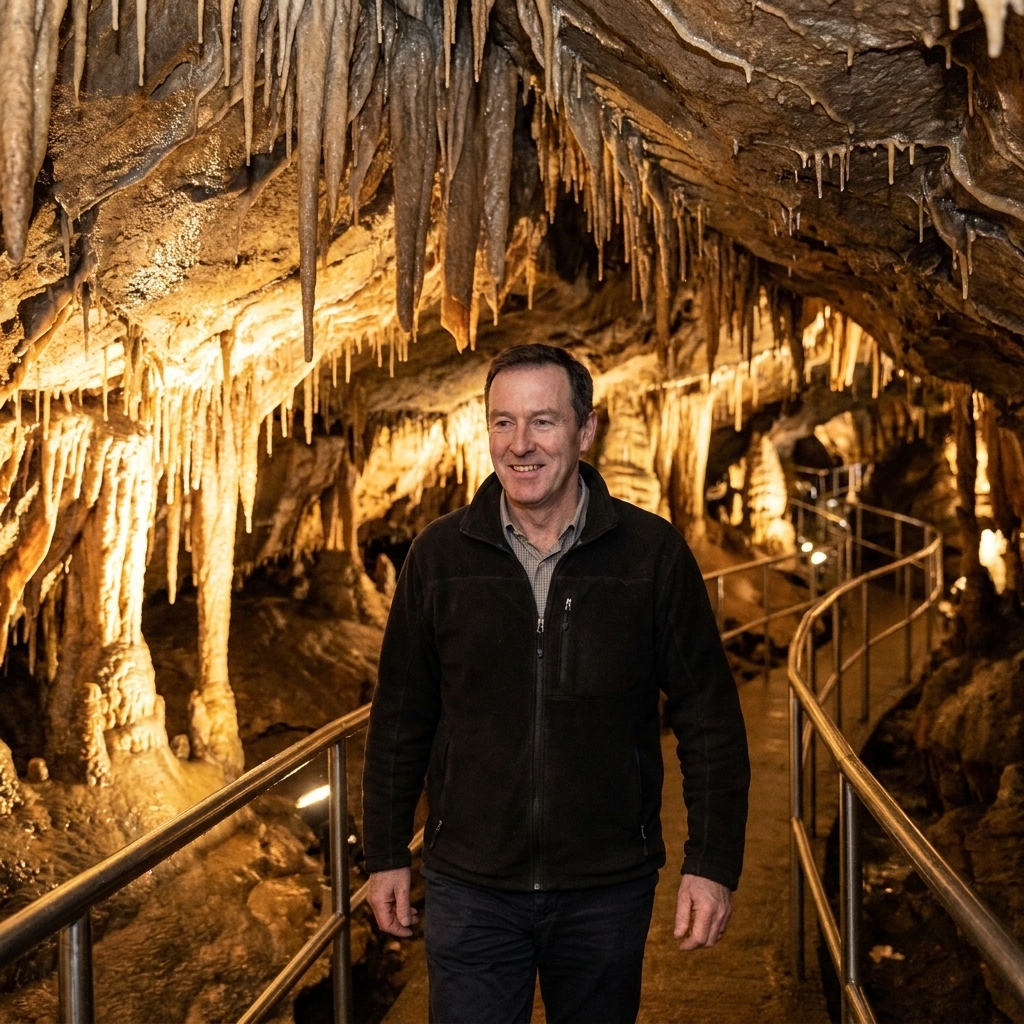
Know before you go
- Tour style: Guided showcave tour on lit paths.
- Accessibility: Expect steps and uneven damp patches. If anyone in your group has limited mobility, call ahead so you are not gambling on the day.
- Time needed: Plan about 1 to 2 hours on site depending on crowds and what else you do nearby.
- Pair it with: A slow drive across the Burren, and if you are heading coastal after, the Clare stretch of the Wild Atlantic Way.
2) Doolin Cave (County Clare)
Best for: One jaw-dropping headline feature.
Doolin Cave is famous for its enormous stalactite, and it earns the hype without needing any grand claims pasted on it. The descent feels like you are stepping out of modern Clare and into a hidden cathedral where the ceiling is alive with mineral lacework.
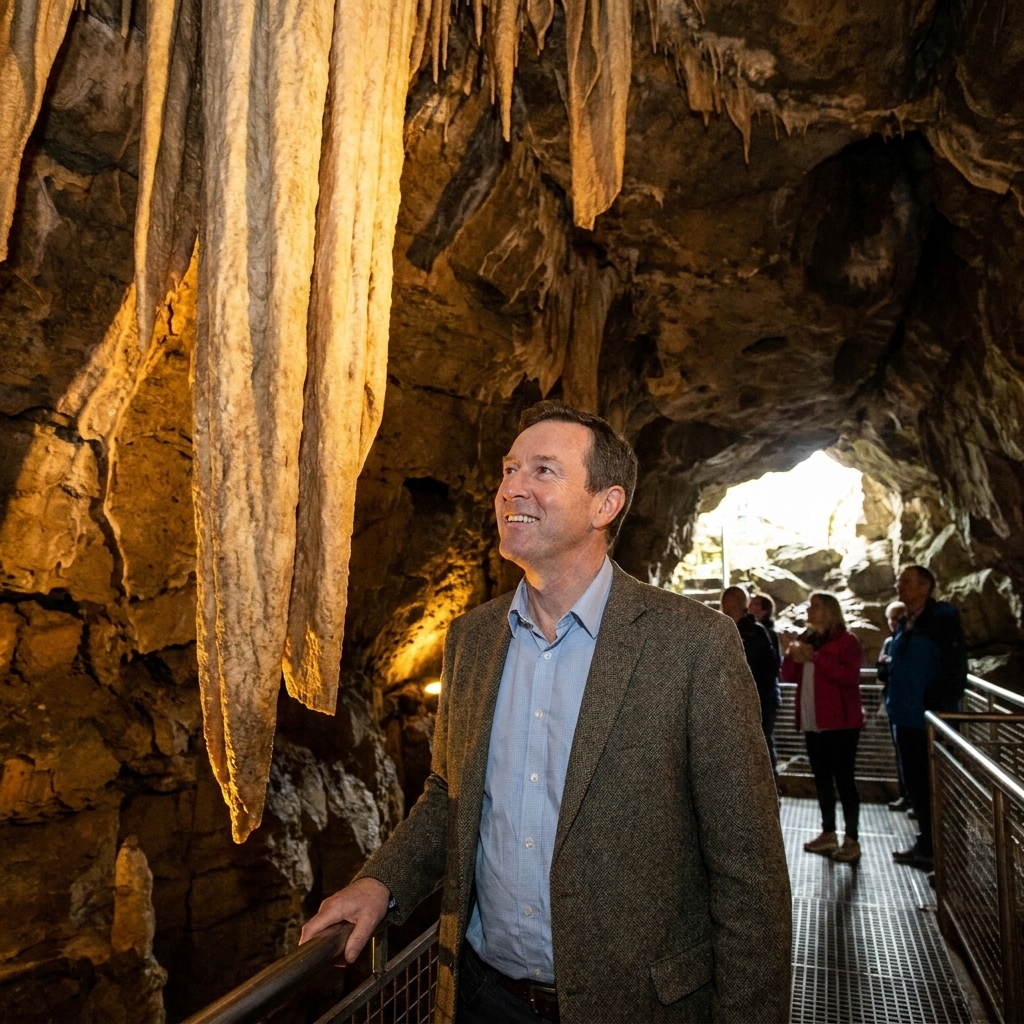
Know before you go
- Expect steps. There is a fair bit of up and down, and you will feel it in your calves later.
- Accessibility: The stair sections make this tricky for anyone who cannot manage a sustained climb and descent.
- Good for shoulder seasons. If the Cliffs of Moher area is busy or stormy, Doolin Cave is a great alternative activity nearby.
- Afterwards: Doolin village is ideal for a hearty meal and a wander, and if you like taking your time in small places, you will enjoy planning an unhurried day in an Irish town.
3) Marble Arch Caves (County Fermanagh)
Best for: A true underground landscape with water, drama, and depth.
If you want caves that feel like a whole separate world, Marble Arch is the one. The system is shaped by water, with broad passages and an atmosphere that changes as you move deeper. It sits within the Marble Arch Caves UNESCO Global Geopark, and the scenery above ground is nearly as impressive as what you see below.
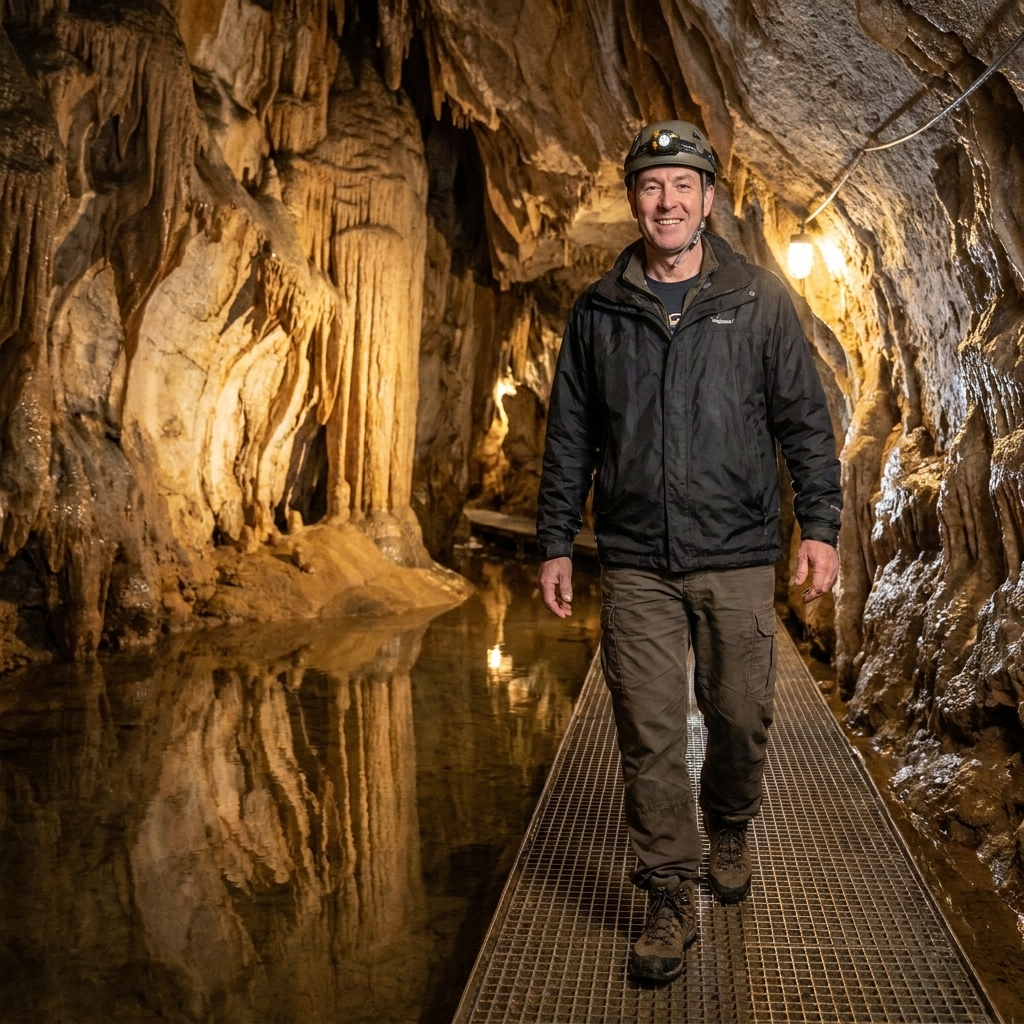
Know before you go
- Tour style: Guided tours with set routes that can vary. Some routes have included a short underground boat element in the past, but what is offered can change, so check the current tour format when you book.
- Water levels matter: After heavy rain, routes can change. Always check the day’s status before you drive a long way.
- Accessibility: Expect stairs and a cool, damp environment. If you need step-free access, confirm what is possible before you travel.
- Make a day of it: Fermanagh rewards slow travel, with lakeside stops and forest walks between sights.
4) Mitchelstown Cave (County Tipperary)
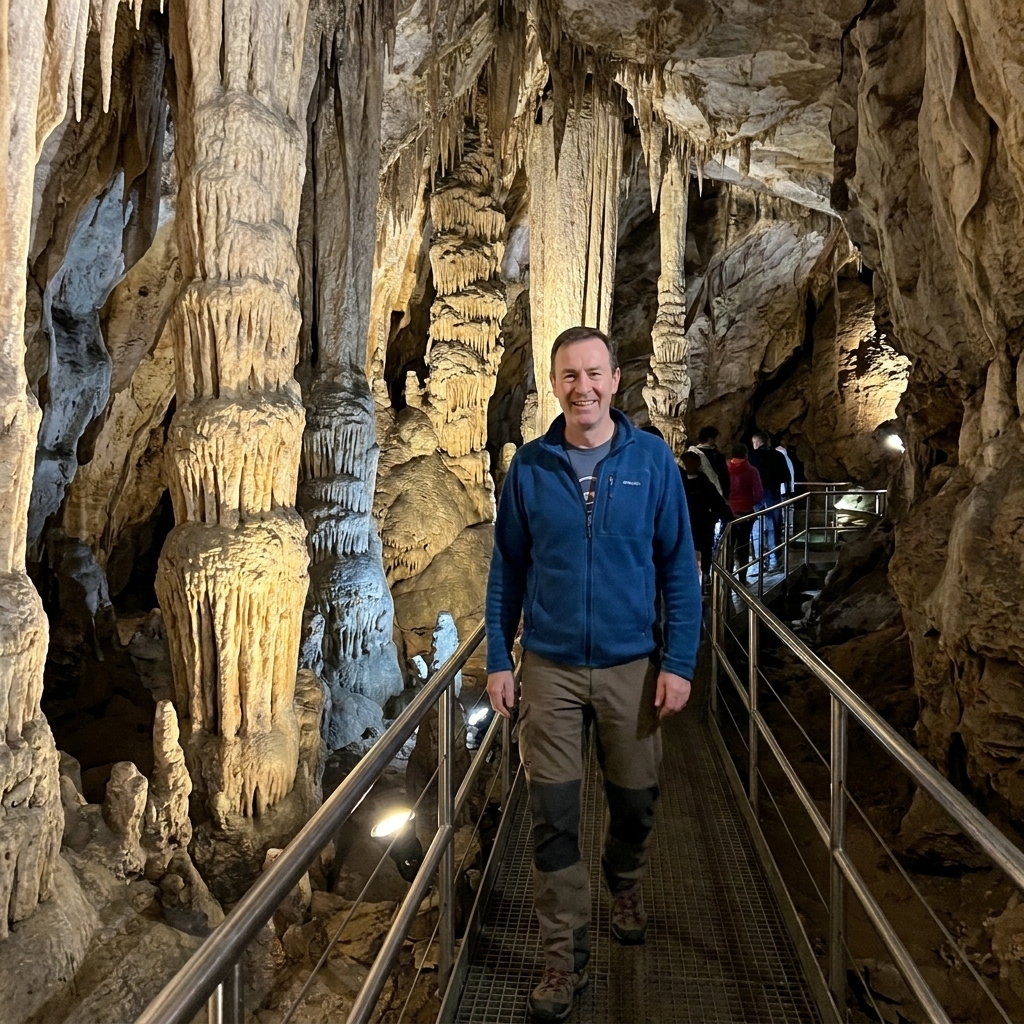
Best for: Big chambers and that classic “natural cathedral” feeling.
Mitchelstown is one of those places that surprises people simply because it is not always on the first page of an Ireland itinerary. The scale of the main chambers is the hook, and the formations give you plenty to stare at while the guide unspools the cave’s story.
Know before you go
- Location note: It can be a brilliant stop between Cork, Tipperary, and the southeast, especially if you are zigzagging rather than rushing.
- Accessibility: Like most showcaves, steps are part of the deal. If mobility is a concern, ring ahead and ask what the current route involves.
- Bring a layer: Even on hot days, the cave air is cool and slightly damp.
5) Dunmore Cave (County Kilkenny)
Best for: History, atmosphere, and a cave that feels close to the human story of Ireland.
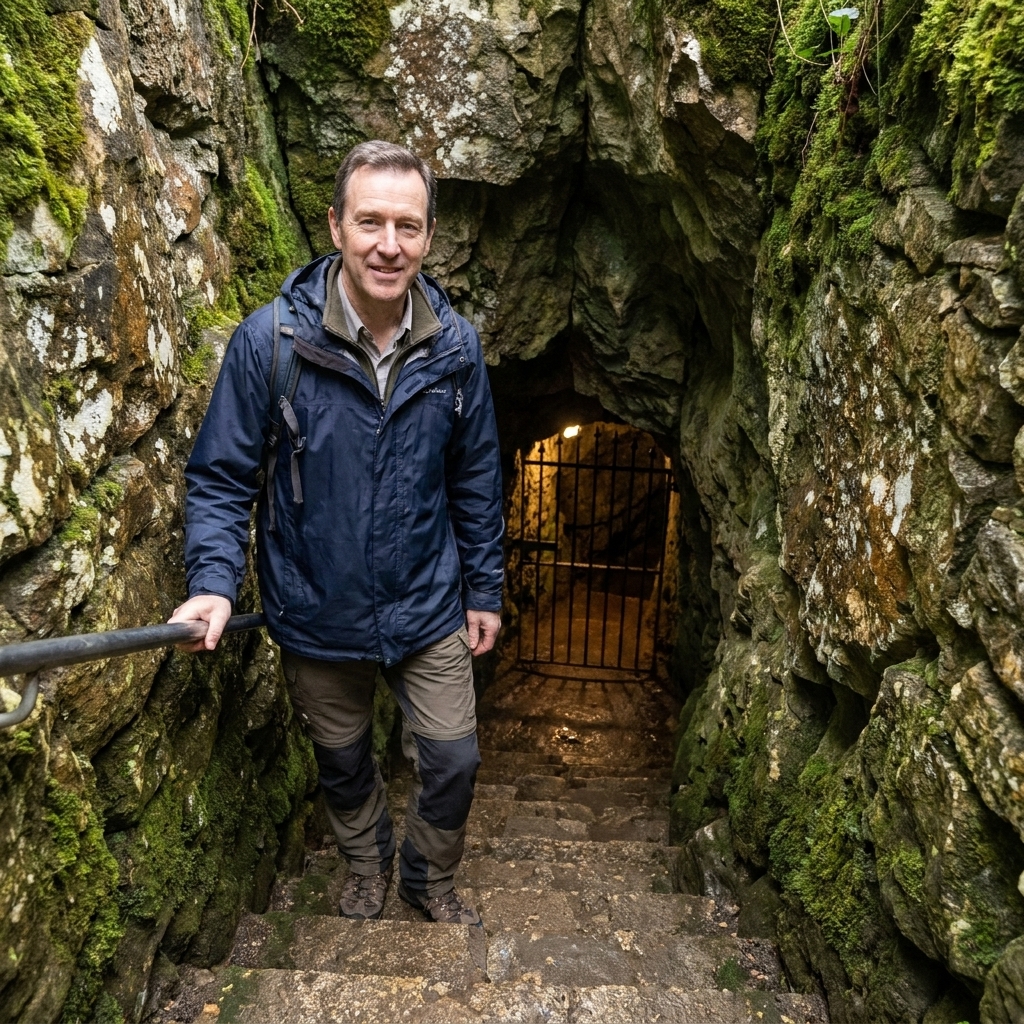
Dunmore Cave has an edge to it. It is not just geology, it is folklore and history braided together. The cave is beautifully formed, but it also carries a darker historical association, with accounts linking it to violence during the Viking era, and guides will usually cover that with care and context rather than theatrics.
Know before you go
- Footing: Expect steps and damp patches.
- Accessibility: The descent is steep in places and not ideal for anyone unsteady on stairs.
- Pair it with: A Kilkenny day trip, especially if you are already castle hopping. If you are weighing iconic fortresses elsewhere on your route, my take on Blarney vs Bunratty can help you choose.
6) Crag Cave (County Kerry)
Best for: An easy, family-friendly cave stop in Kerry.
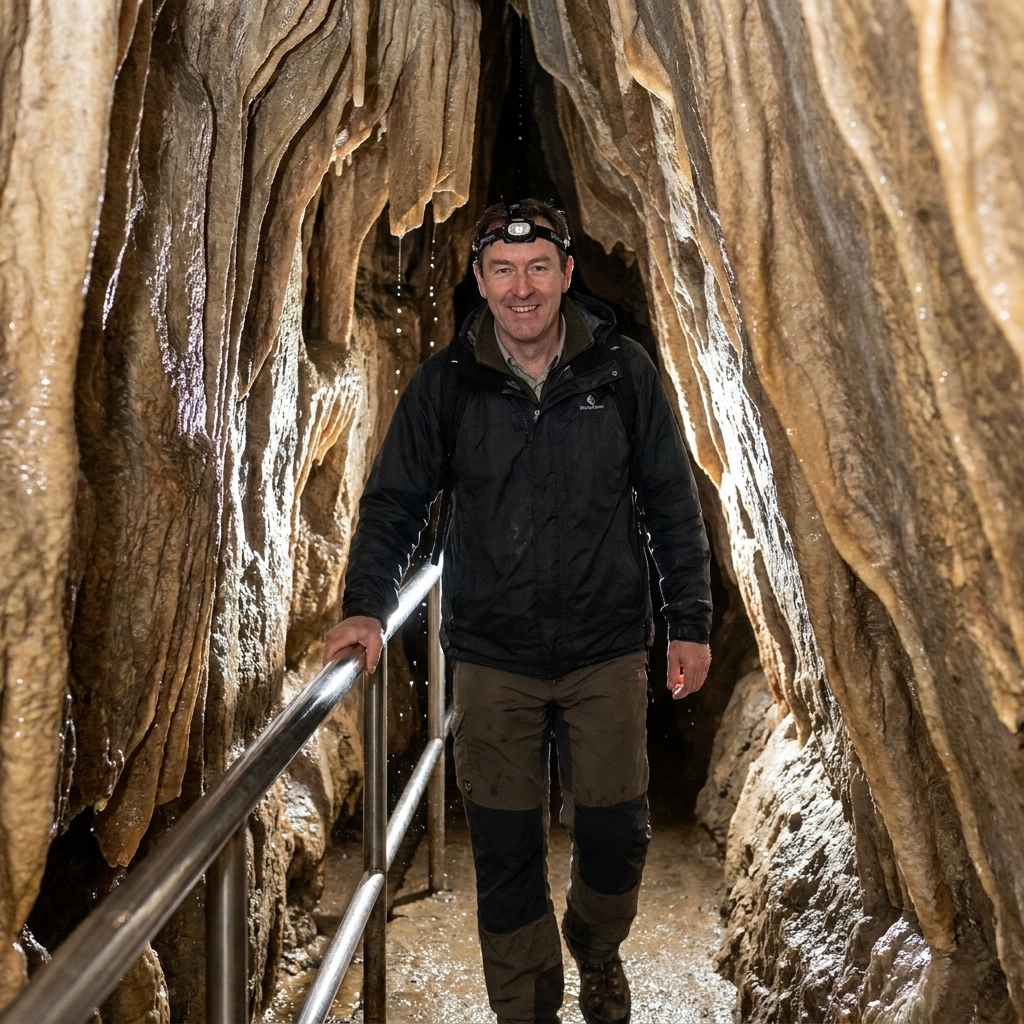
Kerry tends to steal the show above ground with mountains, lakes, and coastline, so a cave visit can feel like a fun plot twist in the middle of all that scenery. Crag Cave is approachable, well set up for visitors, and makes for a reliable rainy-day option when the clouds roll in and the views disappear.
Know before you go
- Good for mixed groups: If you have kids, grandparents, or anyone who wants a shorter underground experience, this is a solid pick.
- Accessibility: Generally the least intimidating of the list, but you should still expect some gradients and steps.
- Plan around weather: Kerry rain is not a rumour. It is a lifestyle.
7) Pollnagollum, the Burren (County Clare)
Best for: A wilder, outdoorsy cave moment above a well-known underground system.
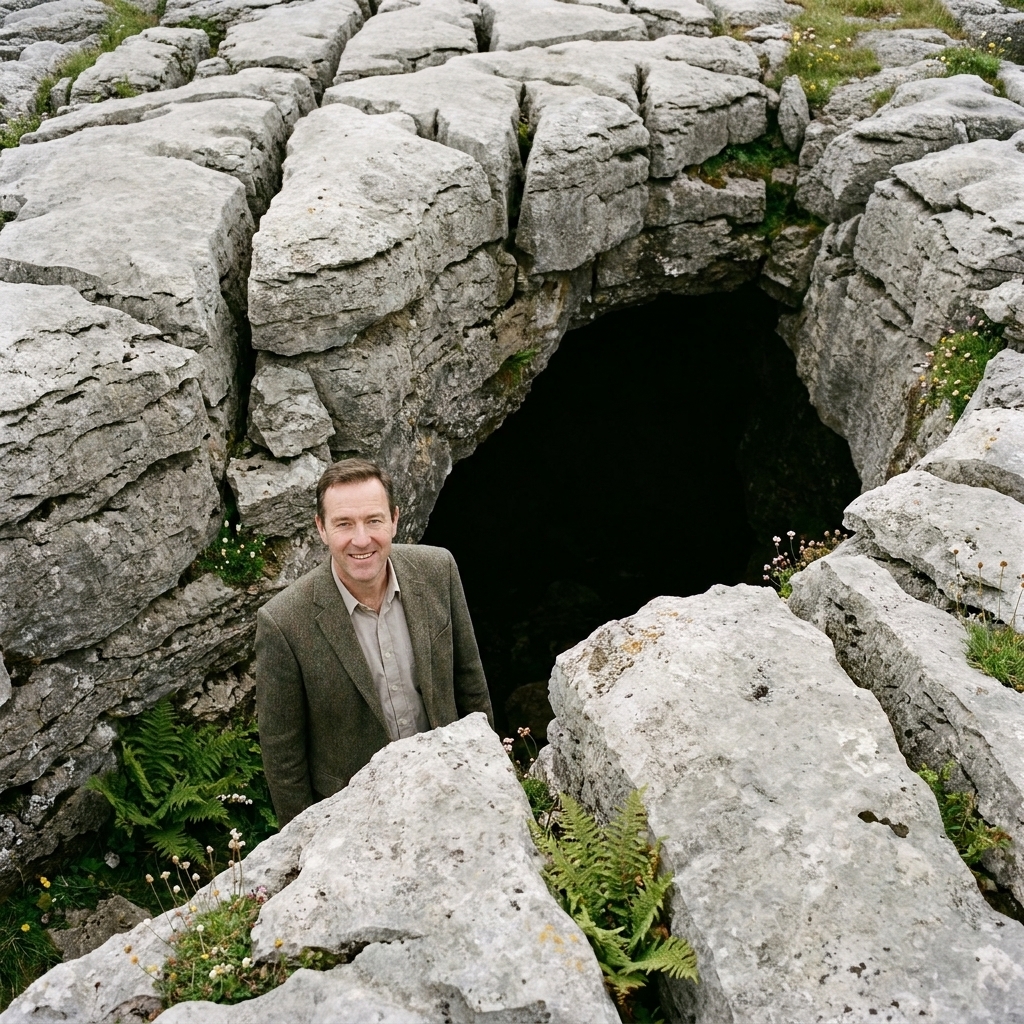
Pollnagollum is an unassuming swallow hole in the Burren, strongly associated with the wider cave system beneath the limestone pavement. You will sometimes see the name glossed online in various ways, but rather than pretend I can settle Burren place-name lore in a paragraph, I will keep it simple: it is a spot that makes you appreciate the Burren’s strange, cracked surface and what is happening underneath it.
Know before you go
- Be sensible: Treat it as a viewpoint rather than somewhere to wander into. Conditions can be slippery and unsafe without proper gear and local knowledge.
- Accessibility: This is open landscape on limestone pavement, so it can be awkward underfoot even in dry weather.
- Best time: A clear day when you can take your time on the Burren roads and stop often.
A note on my picks
You will notice I’m Clare-heavy. That’s deliberate. If you are trying to get maximum cave payoff with minimal driving, the Burren and its neighbors make it easy to stack great stops together. If you are based elsewhere, use this list as a compass rather than a checklist: pick the cave that suits the part of the country you are already exploring, and let it be the weather-proof anchor in your day.
Quick comparison
| Cave | County | Why go | Good to know |
|---|---|---|---|
| Aillwee Cave | Clare | Classic showcave and easy Burren add-on | Guided tour, steady year-round chill |
| Doolin Cave | Clare | Famous for an enormous stalactite | Lots of steps |
| Marble Arch Caves | Fermanagh | Water-carved chambers and big atmosphere | Routes can depend on rainfall |
| Mitchelstown Cave | Tipperary | Cathedral-like chambers | Great mid-trip stop across the south |
| Dunmore Cave | Kilkenny | Geology plus history and folklore | Damp steps, bring grippy shoes |
| Crag Cave | Kerry | Easygoing cave visit in a scenic county | Handy rainy-day activity |
| Pollnagollum (Burren) | Clare | Wild limestone landscape and a glimpse of the underworld | Viewpoint-style stop, not a typical tour |
FAQs
Are Irish caves claustrophobic?
Many are surprisingly spacious once you get past the entrance. Showcaves like Aillwee, Doolin, Mitchelstown, and Marble Arch tend to have wide passages and large chambers, plus lighting and handrails. If tight spaces worry you, tell your guide and stick to the main route.
Do I need special gear?
For guided showcaves, no. Wear sturdy shoes, bring a light layer, and keep hands free. For any non-commercial cave exploration, you need proper equipment and local expertise. That is a different kind of trip altogether.
Can I visit caves in bad weather?
Yes, and caves are brilliant when it is lashing rain outside. The one exception is water-influenced systems where heavy rain can affect access or tour routes, especially at Marble Arch. Always check the cave’s official updates on the day you go.
What is the best cave region for a short trip?
If you want maximum cave impact with minimal driving, base yourself in County Clare. You can combine Aillwee and Doolin with Burren drives and coastal stops, and still have time for a slow evening meal.
One last tip
Give yourself permission to build slack into the day. Underground tours run on their own clocks, and you will often find a good cafe, a scenic pull-in, or a little ruined churchyard nearby that deserves ten quiet minutes. Ireland rewards the traveler who is not sprinting.
If you want more trip-building ideas beyond caves, start with our Places to Visit guide and stitch the underground into the above-ground classics.