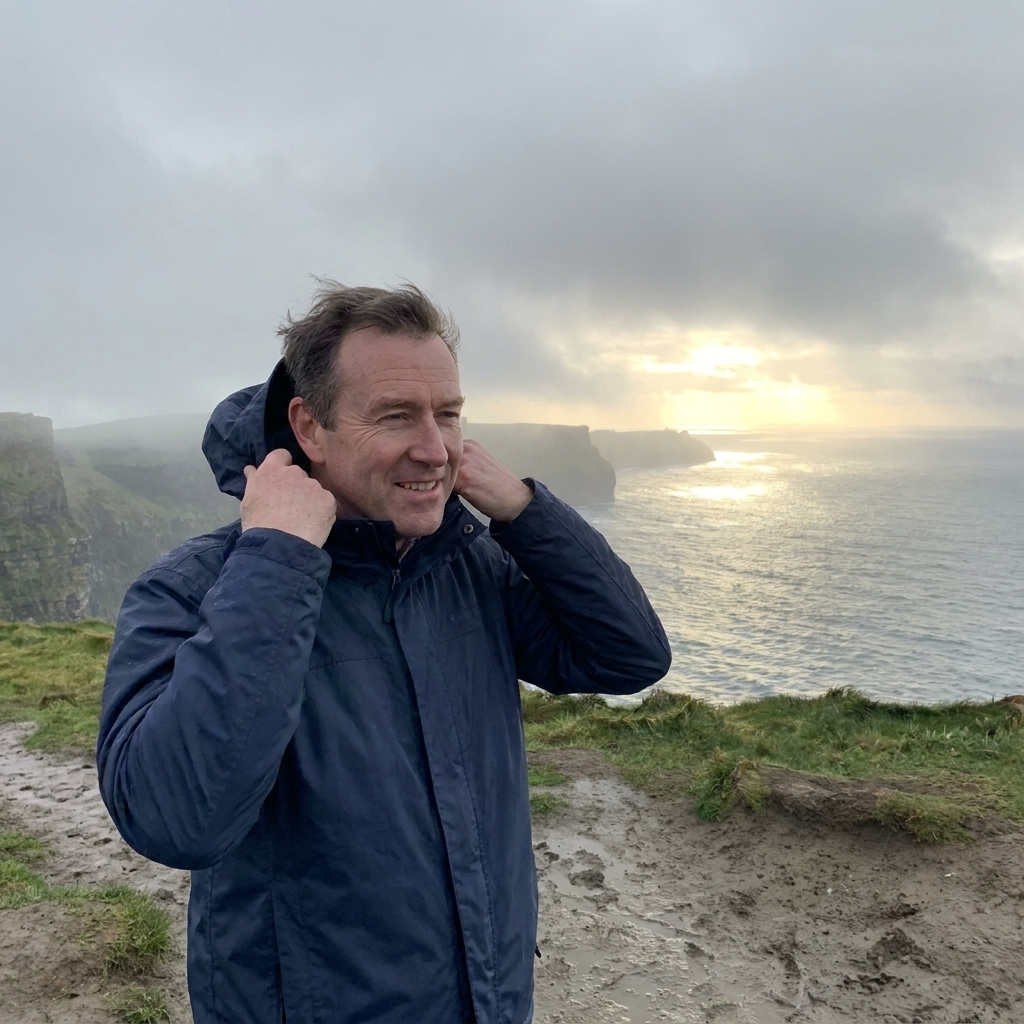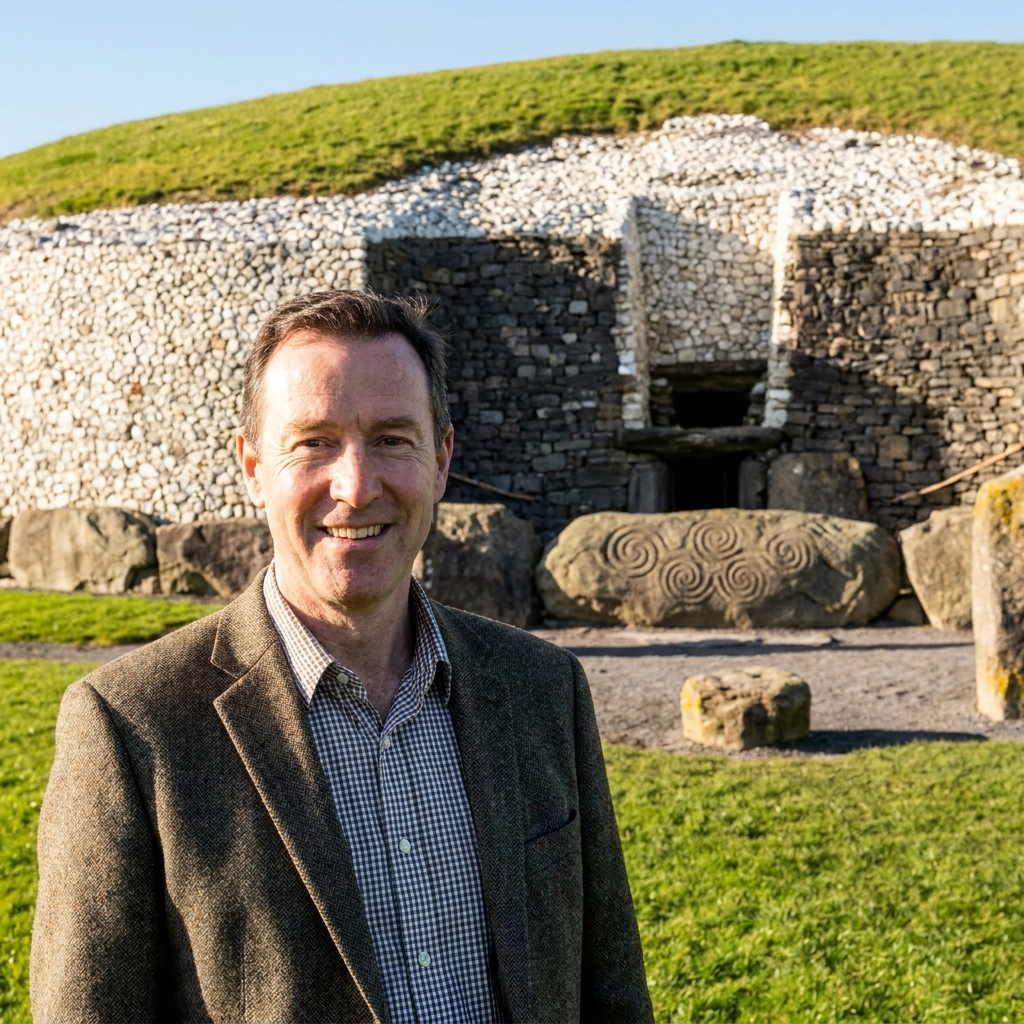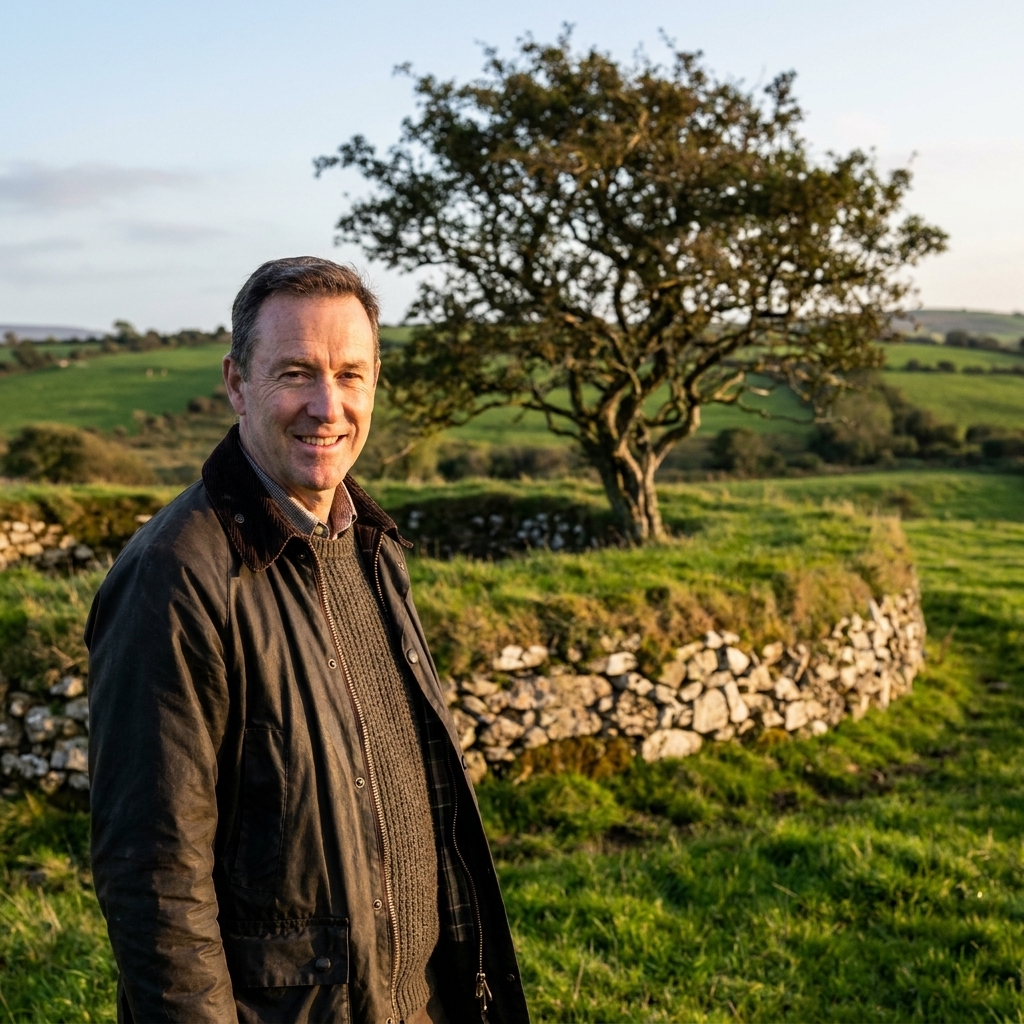

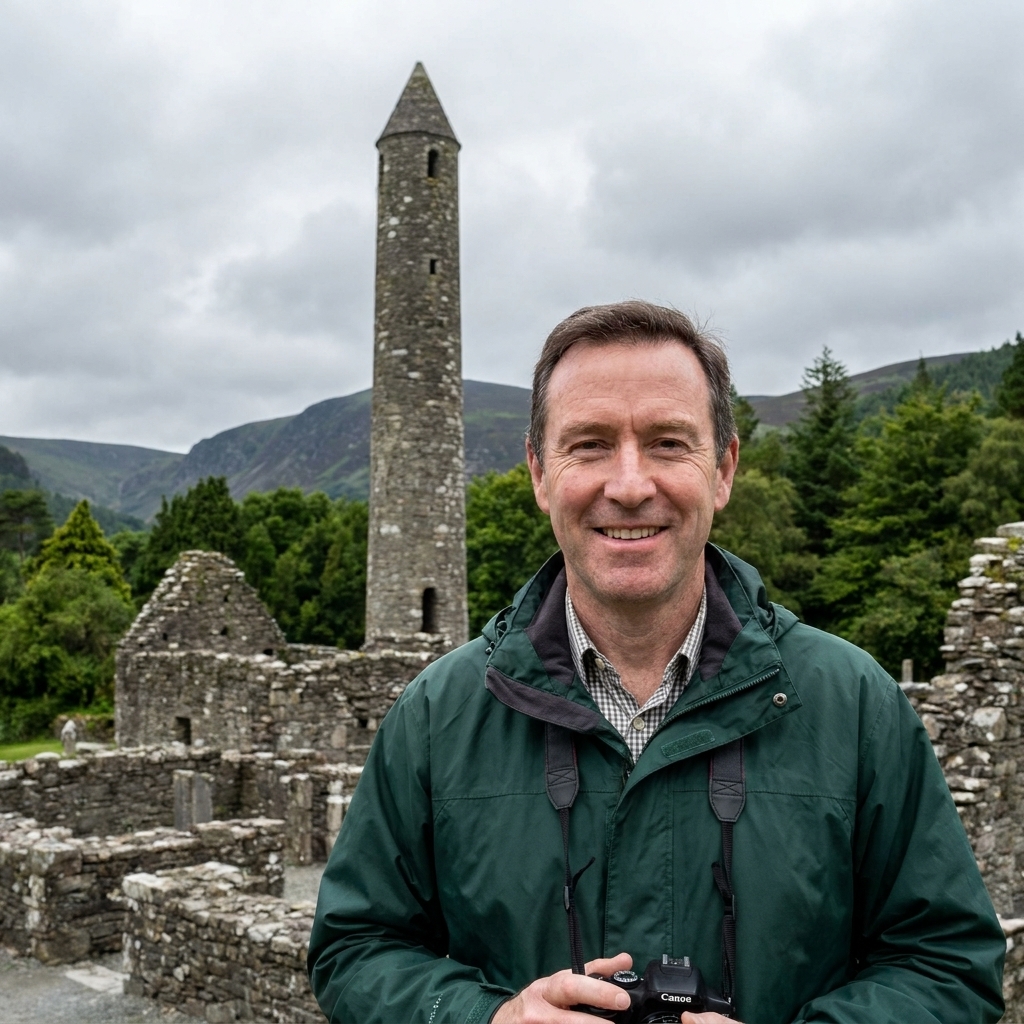
The first time I walked into Glendalough, the rain was doing that classic Wicklow thing where it cannot decide if it is mist, drizzle, or a full confession. The valley felt like a hush. Then the round tower appeared through the trees like a sentry that had simply refused to leave, and I had that rare travel feeling of being both very small and very lucky.
Glendalough is one of those Irish places that manages to be famous and still feel personal. Yes, it is busy at times. But if you know where to linger, and when to step a little farther down the path, you can still hear the valley the way the monks must have: water, wind, birds, and your own boots on stone.
Getting your bearings
Glendalough means “Valley of Two Lakes,” and that is exactly what you get: a monastic settlement tucked into a steep, glacial valley, plus a pair of beautiful lakes with walking trails that can be as gentle or as leg-burning as you like.
- The Monastic City: the main ruins area near the visitor facilities, including the round tower, cathedral ruins, and several churches.
- The Lower Lake: closest to the main entrance, with easy paths and quick scenic payoffs.
- The Upper Lake: farther up the valley, wilder-feeling, and my favorite place to slow down and let Wicklow do its magic.
If you are building a Wicklow day around this, pair it with an unhurried pace and a few small detours. I wrote a whole guide to that style of travel here: Plan an unhurried day in an Irish town.
A quick, human history of Glendalough
Glendalough began as a monastic settlement founded in the 6th century by St Kevin (Caoimhín), a hermit who sought solitude in the valley. Over time, his quiet retreat grew into a major religious center with churches, workshops, learning, and a busy community that drew pilgrims and students.
When you are wandering the ruins, it helps to remember that this was not a single “building.” It was a living place. People prayed here, worked here, argued here, repaired roofs, buried loved ones, welcomed travelers, and tried to keep the lights on through centuries of change.
Want a broader St Patrick deep dive for your Ireland planning? I keep my best starting points here: Where to find the real history of St Patrick in Ireland.
The Monastic City: what not to miss
The Round Tower
Glendalough’s round tower is the star for a reason. These towers were status symbols, bell towers, and practical strongholds. The elevated doorway was not an architectural quirk, it was a security feature. Ladders can be pulled up. Raiders, less so.
What to look for: the doorway’s height, the tight masonry joints, and how the tower “reads” differently depending on the light. In soft fog, it looks ancient. In bright sun, it looks stubbornly precise.
St Kevin’s Church (the “Kitchen”)
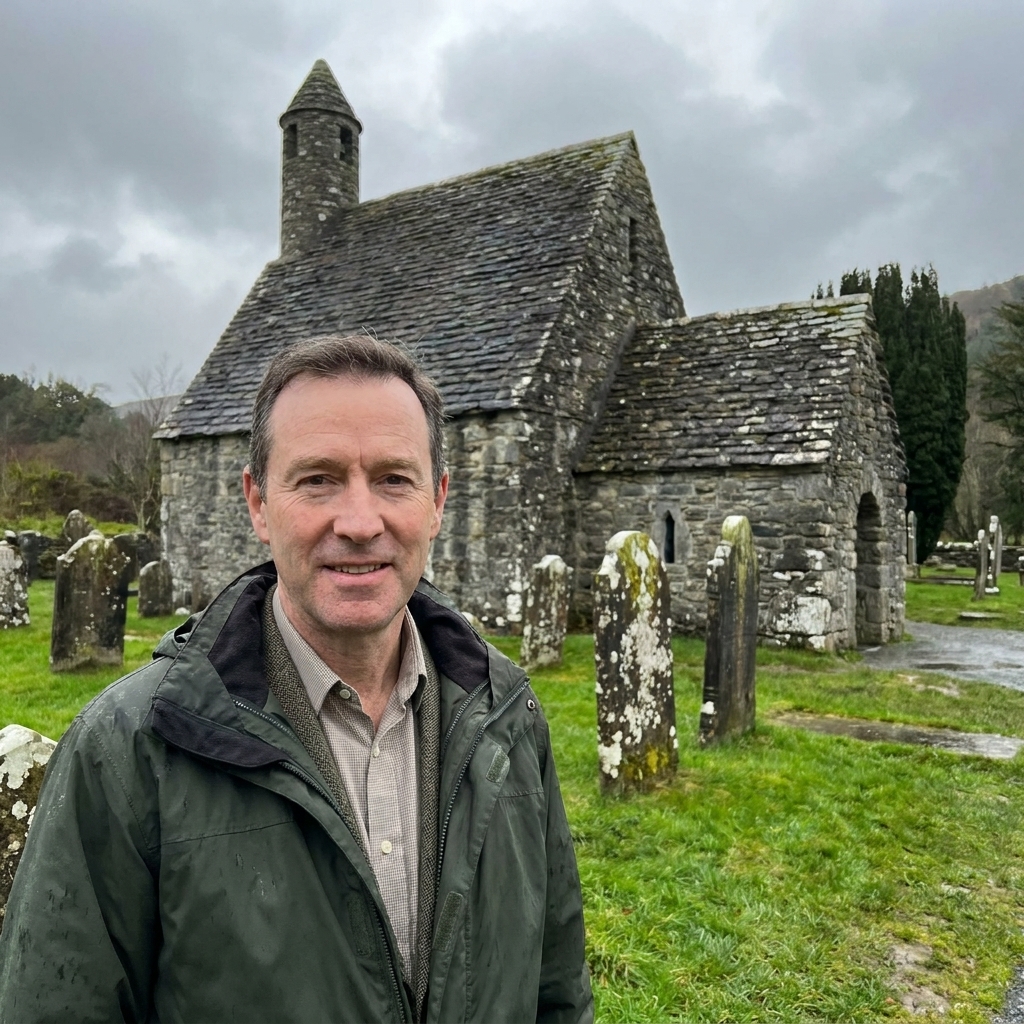
This little building is often nicknamed St Kevin’s Kitchen because of its stone roof shape, which looks a bit like a chimney setup to modern eyes. It was not a kitchen. It was a church, and its roof is one of those details that makes you pause and think about the skill it took to build for Irish weather without modern tools.
The Cathedral and the sweep of graves
The cathedral ruins sit in the heart of the complex, surrounded by gravestones that span many centuries. The graveyard is atmospheric, but it is also a reminder that Glendalough stayed meaningful long after its medieval peak. Walk slowly here. This is a place where people still come to feel close to their own history.
St Kevin’s Cross
The tall stone cross standing in the graveyard is one of those objects that makes early medieval Ireland feel suddenly real. It is not a modern reconstruction. It is the iconic granite cross that has held its ground here for centuries, weathered and steady, with that slightly leaning, lived-in dignity you only get from stone that has seen a long stretch of Irish sky.
Even if you are not “into” crosses or church history, treat it like a signpost from a different world. It is public art, theology, and community identity all carved into one statement.
Walking the lakes: choose your own Wicklow
I always tell friends to decide one thing before they start: do you want a short scenic stroll or a proper walk? Both are worth it. The trouble comes when you try to do everything at speed, and end up doing none of it well.
Lower Lake: the easy win
If you are short on time, the Lower Lake is your best return on effort. The paths are manageable, and you get that classic Glendalough valley view quickly. On a calm day, the reflections can be so neat they look staged.
Upper Lake: the valley gets quieter
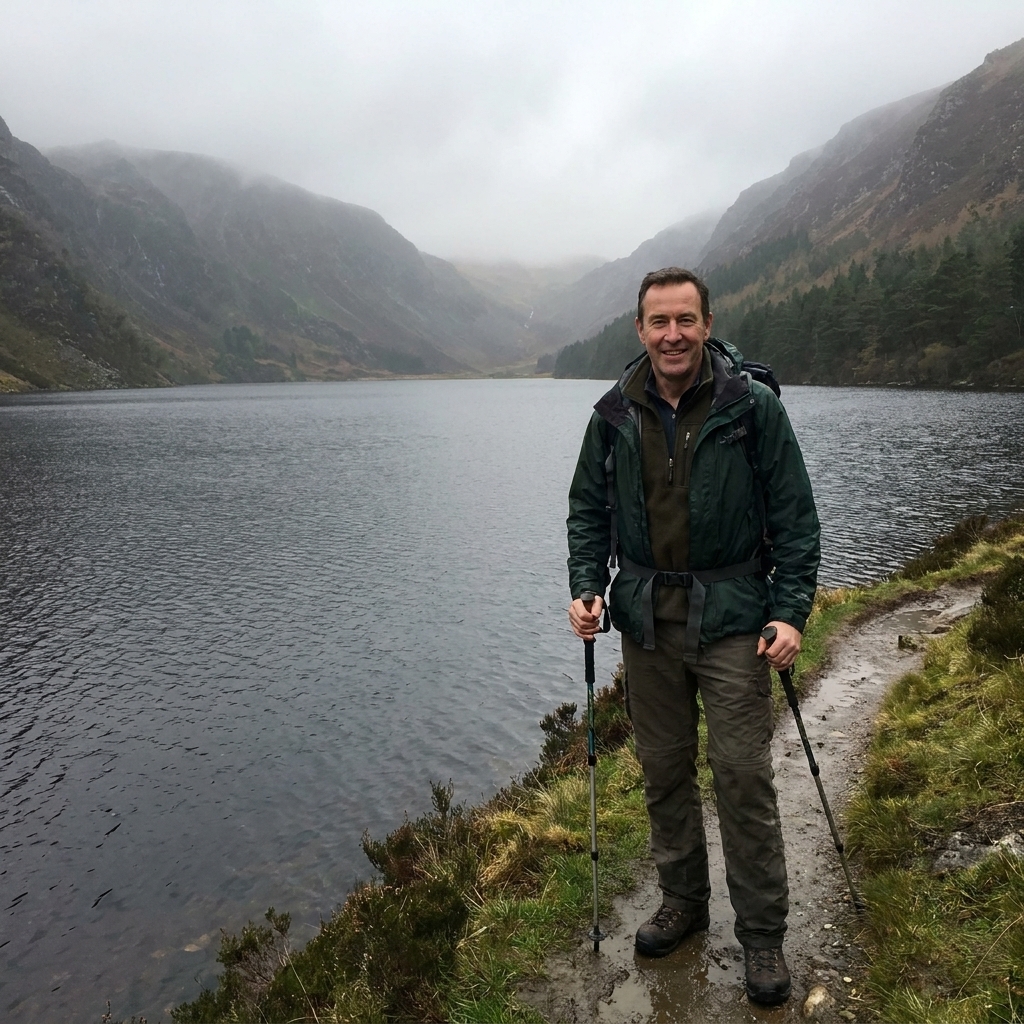
The Upper Lake feels a touch more untamed. The hills crowd in closer, the wind changes, and the crowds thin out once you are past the first busy pinch points. If you can only do one lake walk, I lean Upper Lake, especially later in the day when the light goes softer.
The Spink and the Miner’s Road
If you want the big panoramic payoff, the loop that takes in The Spink and the Miner’s Road is the classic choice. It is a real hike with real elevation, and it gives you that high view down the valley where Glendalough’s “two lakes” layout finally clicks.
My tip: do not underestimate Wicklow weather up on the higher sections. Down in the valley you might feel fine. Up on the ridge, wind and rain can arrive like they have a meeting scheduled.
Little things to notice
- Why this valley? Glendalough is naturally defensible and naturally spiritual. Mountains shelter it. Water feeds it. Mist softens it. You can understand why a hermit would choose it, and why a community would grow around that choice.
- The tower doorway logic: elevated entrances are a reminder that monasteries were not just prayer. They were wealth, manuscripts, metalwork, and stored food. In other words, targets.
- Stone that holds stories: the carved details you spot are often survivors of rebuilding phases. Glendalough changed over centuries, and the “patchwork” is part of the tale.
- Listen for the river: at times you can hear water even when you cannot see it. That constant sound is part of why this place feels like it has a heartbeat.
How long you need
Option 1: 60 to 90 minutes
- Monastic City highlights: round tower, St Kevin’s Church, cathedral area
- Quick leg stretch toward the Lower Lake
Option 2: 2 to 3 hours
- Monastic City at a relaxed pace
- Upper Lake out-and-back walk, with time to actually sit and stare at the water
Option 3: Half day
- Monastic City
- Upper Lake
- The Spink and Miner’s Road loop, if conditions suit
If you do the half-day version, pack layers and bring patience. Wicklow rewards people who are willing to let a shower pass instead of rushing away.
Practical tips
Best time of day
Early morning is the sweet spot if you want the ruins with fewer voices around you. Late afternoon can be gorgeous too, especially when the day-trippers start to drift away and the valley settles again.
What to wear
- Footwear: comfortable walking shoes at minimum. For any higher trail, wear proper hikers if you have them.
- Layers: a light rain jacket beats an umbrella here. Wind and narrow paths make umbrellas more hassle than help.
- Warmth: even in summer, Glendalough can feel cool when clouds sit low in the valley.
Weather reality check
If you are trying to time your visit around a forecast, remember the forecast is a suggestion in the Wicklow Mountains. I keep my no-nonsense thoughts on this here: The truth about Irish weather.
Respect the site
Glendalough is both a major heritage site and, in a quieter way, a sacred landscape. Stay on paths where asked, do not climb fragile stonework, and treat the graveyard with the same respect you would want for your own.
Pair it with nearby Ireland
If Glendalough has put you in the mood for old stones and lived-in history, you might enjoy comparing it with Ireland’s castle culture, which tells a very different story than the monasteries do. Here’s one of my favorite practical breakdowns on the site: Blarney vs Bunratty: which castle should you visit?
And if you are building out your itinerary more broadly, start here: Guide: Places to visit in Ireland.
Glendalough FAQ
Is Glendalough worth it if I do not care about monasteries?
Yes. Come for the valley. Stay for the lakes. The ruins are the bonus layer that makes the scenery feel like a story instead of a postcard.
Can I see everything without hiking?
You can see the monastic site and get excellent lake views with gentle walking. The high viewpoints require proper hiking, but you do not need them to have a memorable visit.
What is the one thing I should not skip?
If you can only choose one, spend unhurried time at the Upper Lake. Sit down for five minutes. Let the place do what it does.
Is it good in the rain?
Honestly, yes. Glendalough in light rain feels more itself. Just dress for it, and keep a steady pace so you stay warm.