
I have nothing against a good shamrock hat and a rousing chorus of “The Wild Rover”. But if you have ever stood in a March crowd and thought, Right then, who was St. Patrick really? you are in good company.
The honest truth is that Patrick sits at the crossroads of history, hagiography, and a few centuries of very creative storytelling. The good news is that Ireland still holds a handful of places where the tradition is strong, the archaeology is real, and the early medieval landscape feels close enough to touch. This guide sticks to the landmarks most closely tied to Patrick by early sources and long-running local tradition, plus the sites where you can best understand the world he moved through.
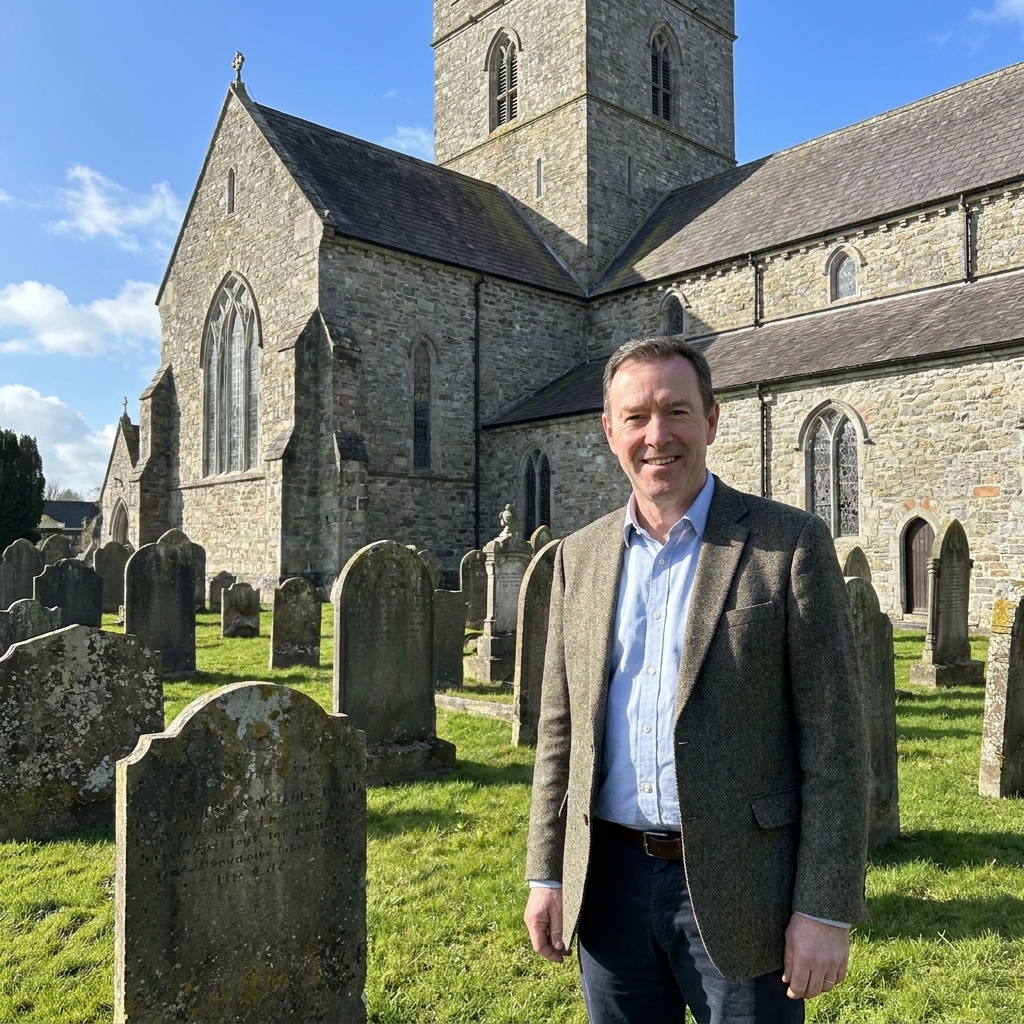
Before you go: what “verified” can mean
We do have Patrick’s own words, which is rare and precious for the 5th century. Two texts, the Confessio and the Letter to the soldiers of Coroticus, are widely accepted as authentic. They tell us about his capture into slavery, his religious mission, and his outlook, but they do not give us a neat list of stops on a modern map. In fact, most of the specific places people associate with Patrick are not named by Patrick himself.
Most of Patrick’s famous episodes come from later lives written centuries afterward, especially works produced in the mid-to-late 7th century and closely associated with Armagh, including those attributed to Muirchú and Tírechán. Those texts are not useless. They preserve place names and traditions that were already old when they were written. Still, they were also written with church politics and prestige in mind, so it helps to visit with a clear head.
If you want a dependable background read before you set out, the Royal Irish Academy hosts a respected public resource on early Irish sources. I often point curious friends to it because it grounds the conversation in actual texts rather than pure legend: https://www.ria.ie/.
1) County Down: Downpatrick and Saul
If you only have one day to chase Patrick’s trail, I would send you to County Down. The density of tradition here is hard to beat, and the landscape still feels like the edge of the early medieval world.
Downpatrick: a grave tradition and a town built around it
Downpatrick is tied to Patrick by the enduring tradition that he is buried here, often alongside St. Brigid and St. Columba. You will not find a modern historian claiming we can “prove” the exact grave in a forensic sense, but the claim is very old and deeply rooted.
- What to look for: the cathedral precinct and the sense of how an early ecclesiastical site anchors a settlement for over a thousand years.
- My on-the-ground tip: give yourself time to walk slowly. This is a place that makes more sense at a wandering pace, not a dash between photo stops.
Saul: the “first church” tradition (and why it matters)
A short hop away is Saul, long associated with Patrick’s earliest mission work in Ireland. Tradition holds that Patrick founded his first church here after landing in the area. The modern church on site is later, of course, but the location helps you picture the beginnings of a mission in a landscape of small kingdoms and local power.
- What to look for: the setting. Saul is not grand, and that is the point. Early Christianity in Ireland often starts in modest places.
- Good pairing: visit Saul first, then Downpatrick. It gives you a simple narrative arc from arrival and first foundation to the later, larger cult of the saint.
If you want broader context for Irish history, folklore, and those little details people miss, our Ireland facts guide is a handy companion for this kind of trip.
2) County Armagh: the power centre
If Down is where Patrick feels personal and close to the ground, Armagh is where the story becomes institutional. Armagh’s claim as Patrick’s principal church is a huge part of why later sources emphasise his connection to the area.
Even if you are not chasing every relic and legend, Armagh is worth your time because it shows how Patrick’s memory became a foundation stone for Irish ecclesiastical authority.
- Why it matters: in the early medieval period, being able to say “Patrick founded us” was not just spiritual. It was political.
- How to visit well: look for interpretive material that distinguishes early sources from later tradition. The best visits are the ones where the story is told with nuance, not certainty where none exists.
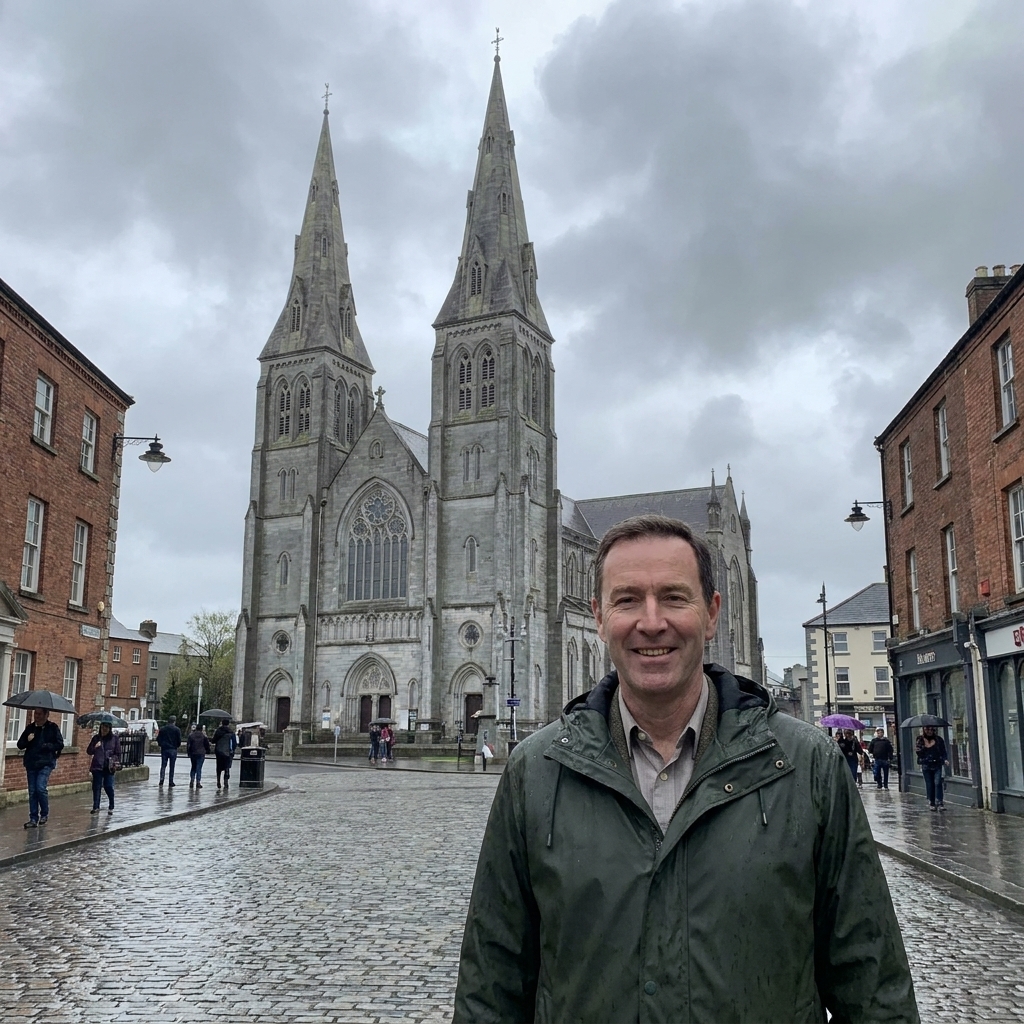
3) County Mayo: Croagh Patrick
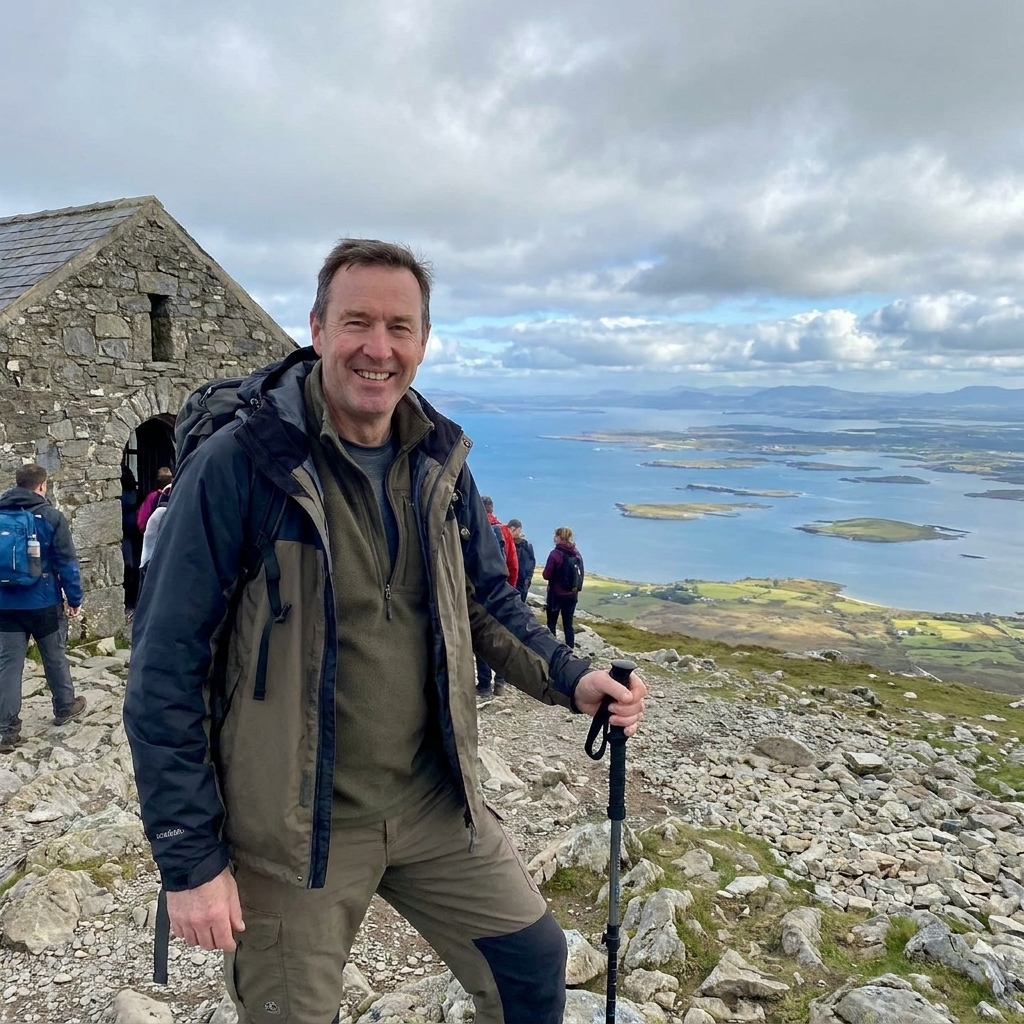
Croagh Patrick is one of those places that does not need you to be religious to feel its pull. Tradition says Patrick fasted here for forty days, echoing the biblical desert fast. Whether you treat that as literal history or as sacred storytelling anchored to a powerful mountain, you will understand quickly why this place became central to Irish devotion.
Historically, what is “real” here is the continuity of pilgrimage, the deep roots of sacred mountains in Irish tradition, and the way Christian and pre-Christian landscapes overlap.
- What to do: if you hike it, start early and respect the mountain. It is steep, loose underfoot in places, and weather can swing quickly off the Atlantic.
- What to notice: the view lines. Pilgrimage in Ireland is often about seeing the world from a new height, literally and spiritually.
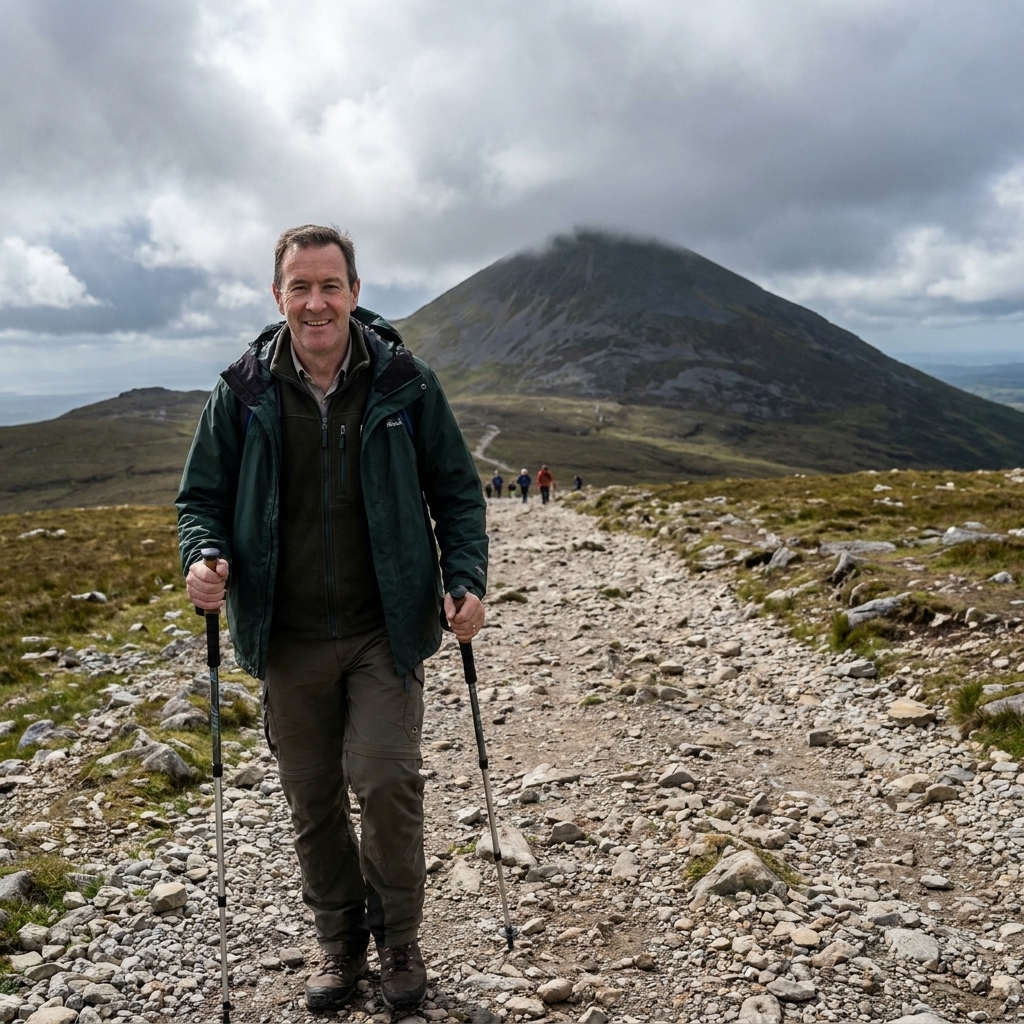
4) County Meath: the Hill of Slane
There is a reason so many Patrick stories cluster around royal sites. The big conversion tales are not only about personal faith. They are about kingship, allegiance, and a new religious order finding its place beside older authority.
The Hill of Slane is traditionally linked to Patrick lighting the Paschal fire in defiance of the High King at Tara. It is one of the most famous scenes in the later stories. Can we verify the bonfire like a dated receipt? No. But Slane is absolutely the kind of place where power, ritual, and spectacle mattered.
- Why it is worth visiting: it helps you picture the Ireland Patrick would have navigated, a patchwork of powerful centres and symbolic hills.
- How to make it real: stand still and look outward. The landscape does half the storytelling for you.
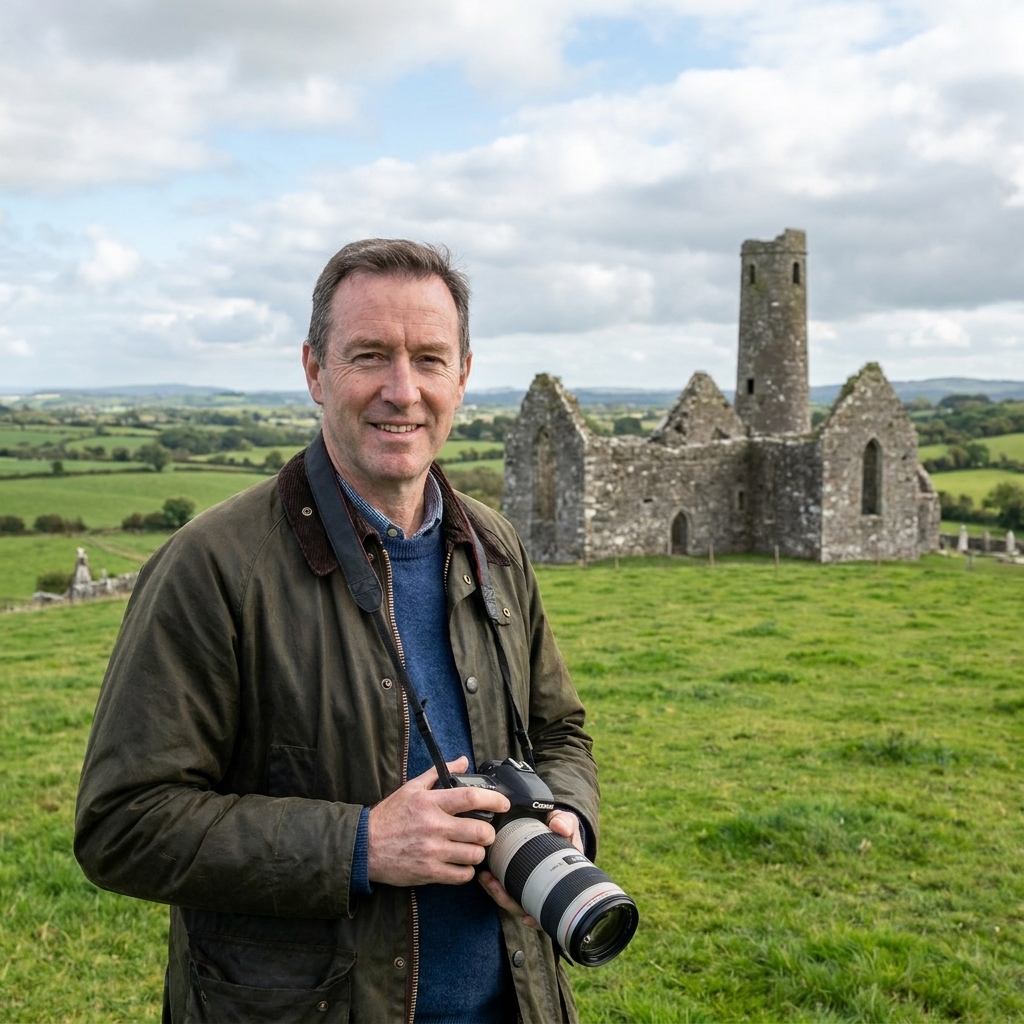
5) County Donegal: Lough Derg
Lough Derg is not about Patrick the man as much as Patrick the symbol, the guarantor of spiritual authority and pilgrimage. The tradition of St. Patrick’s Purgatory grows in the medieval period and becomes internationally famous from around the 12th century onward, drawing pilgrims from far beyond Ireland.
If your goal is “the real history of Patrick,” Lough Derg belongs in the itinerary because it shows how Patrick’s name shaped practice, belief, and pilgrimage culture long after his lifetime.
- What it tells you: devotion evolves. The Patrick that medieval Europe imagines is not identical to the Patrick who wrote the Confessio, but both matter in understanding Ireland.
- Visitor mindset: treat it as a serious spiritual site first, a curiosity second. Also be aware that access and seasonal operation can be more structured here than at an open ruin on a hillside.
A simple itinerary (pick your pace)
One quick reality check before you start plotting pins on a map: Saul and Downpatrick sit close together, Armagh is an easy separate leg, but Mayo and Donegal are long drives from the east and north. If you try to stitch them all into one “grand day out,” the car will swallow the story.
Option A: 2 days in the north
- Day 1: Saul (arrival and first church tradition), then Downpatrick.
- Day 2: Armagh for the broader story of Patrick’s legacy and church power.
Option B: 4 to 6 days, adding the west and midlands
- Days 1 to 2: County Down and Armagh as above.
- Day 3: Hill of Slane and the nearby royal landscape context in Meath.
- Days 4 to 5: Croagh Patrick in Mayo, with time for weather and rest.
- Day 6 (optional): Donegal for Lough Derg if you want the medieval pilgrimage dimension.
If you like building days around slow, local rhythms rather than sprinting from site to site, you will enjoy our guide to planning an unhurried day in an Irish town. It pairs beautifully with Patrick sites because so many of them reward patience.
Common myths and mix-ups
“St. Patrick drove the snakes out of Ireland”
It is a brilliant story, but it is best read as symbolic. Ireland has no native snakes, generally explained by its post-glacial geography and the way the island separated from the mainland. The “snakes” are often interpreted as a metaphor for driving out paganism or chaos, though even that is a later framing.
“Every Patrick site is equally historical”
Some places are tied to Patrick by very old tradition and early texts. Others are later dedications where the saint’s name spread because it carried prestige. Both can be meaningful to visit. They just belong in different categories in your mind.
“Patrick is only a March story”
March is loud. Patrick’s Ireland is quieter. Visit in a shoulder season if you can. You will hear more of the wind around the ruins, and less of the souvenir shop soundtrack.
How to get more out of each stop
- Look for place name continuity: if a tradition survives in a local name over centuries, that is often a clue that something old was remembered there, even if the details changed.
- Read a short excerpt of Patrick’s own writing before you arrive: it changes the feel of the journey. The voice is surprisingly direct.
- Ask locals what they were told as children: you will hear the living folklore layered on top of the history, and that layering is part of Ireland’s real story.
- Let uncertainty be part of the visit: early Irish history is full of gaps. Standing in a place where people have believed for centuries is its own kind of evidence, even when it is not the tidy evidence we are used to.
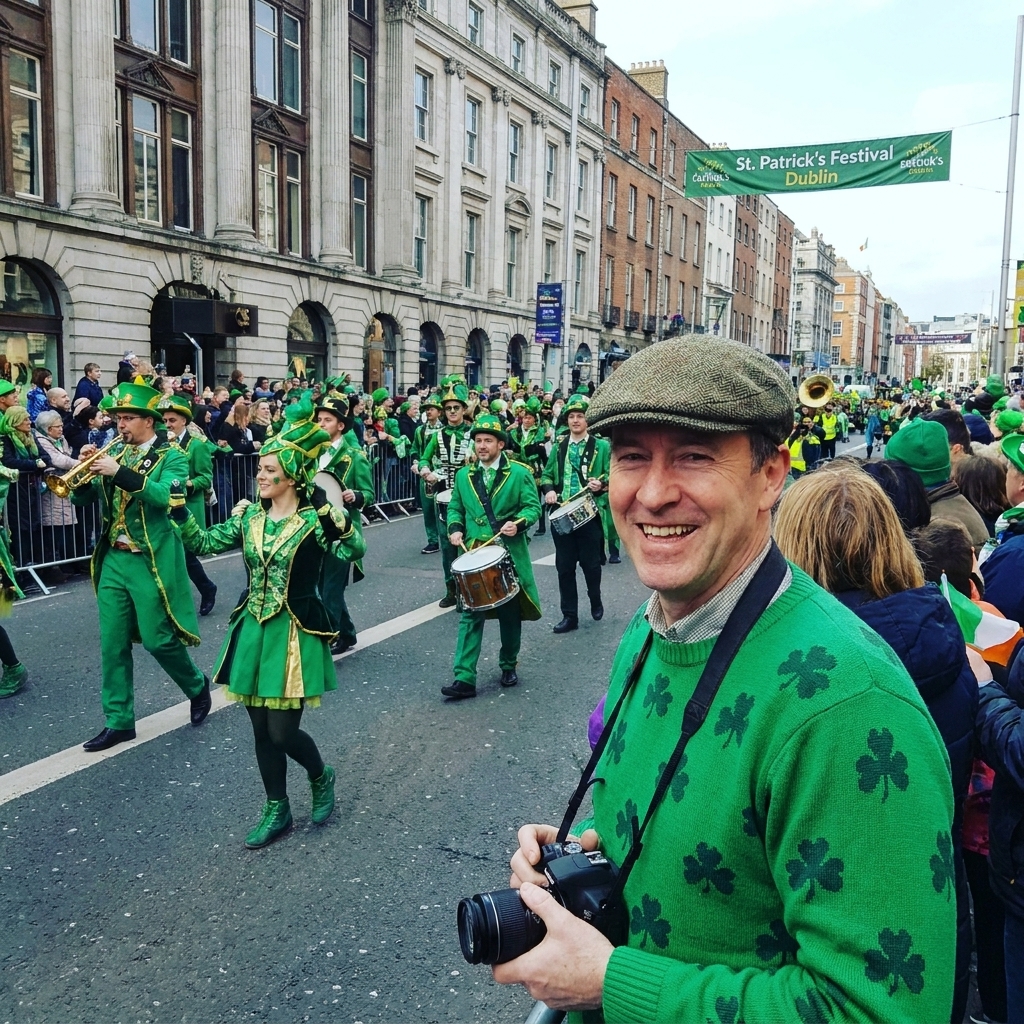
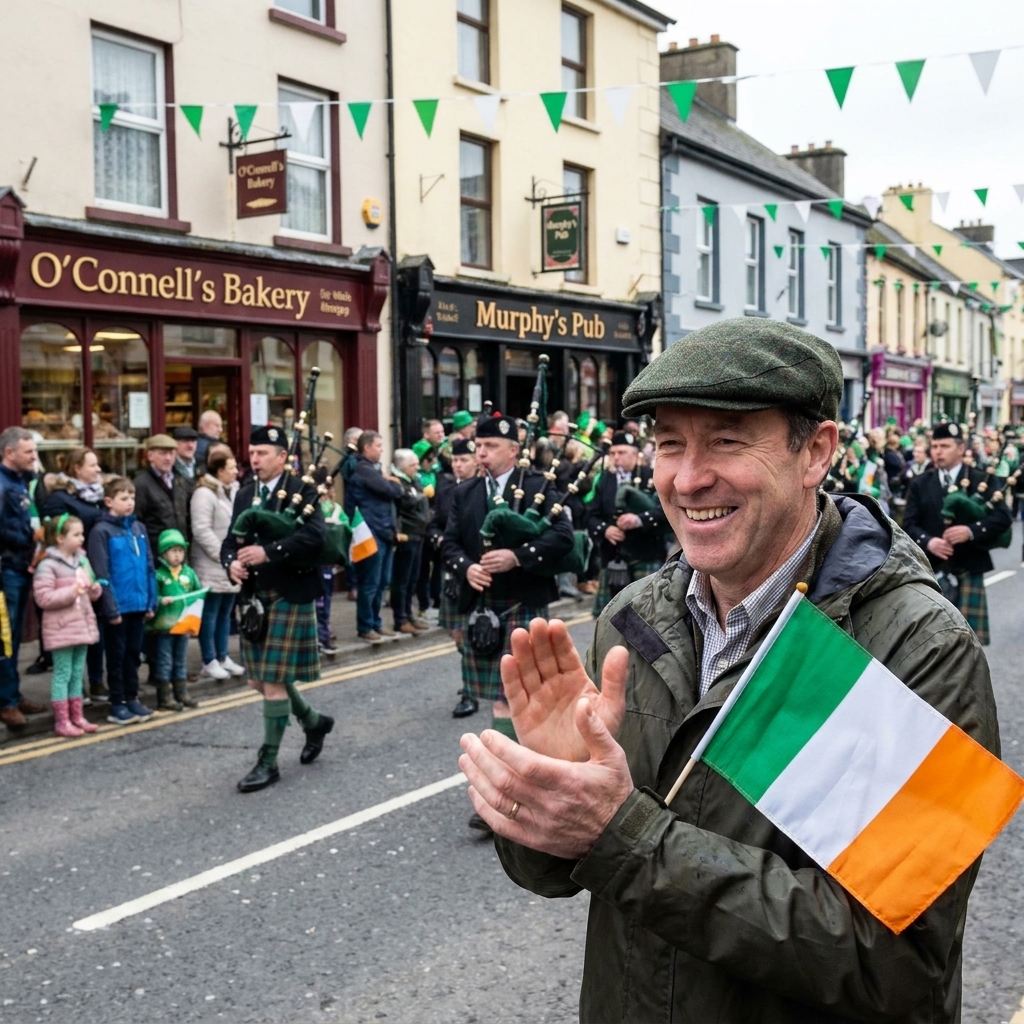
For more trip inspiration beyond Patrick, you can browse our broader places to visit guide, and if your visit overlaps with the celebrations, our St. Patrick’s Day guide helps you find the fun without losing the thread of the real story.
Quick FAQ
Where is St. Patrick buried?
The strongest tradition places his burial in Downpatrick, County Down. It is a tradition with deep roots, even if it cannot be proven to modern forensic standards.
What is the most historically grounded Patrick site to visit?
For a visitor, County Down is hard to beat because Saul and Downpatrick concentrate long-standing Patrick traditions in a small area. Armagh is essential for understanding how his legacy was claimed and organised.
Is Croagh Patrick “real history” or just legend?
The forty-day fast is part of tradition rather than a documented event, but Croagh Patrick is absolutely real history in terms of long-running pilgrimage and the way sacred landscapes shaped Irish Christianity.