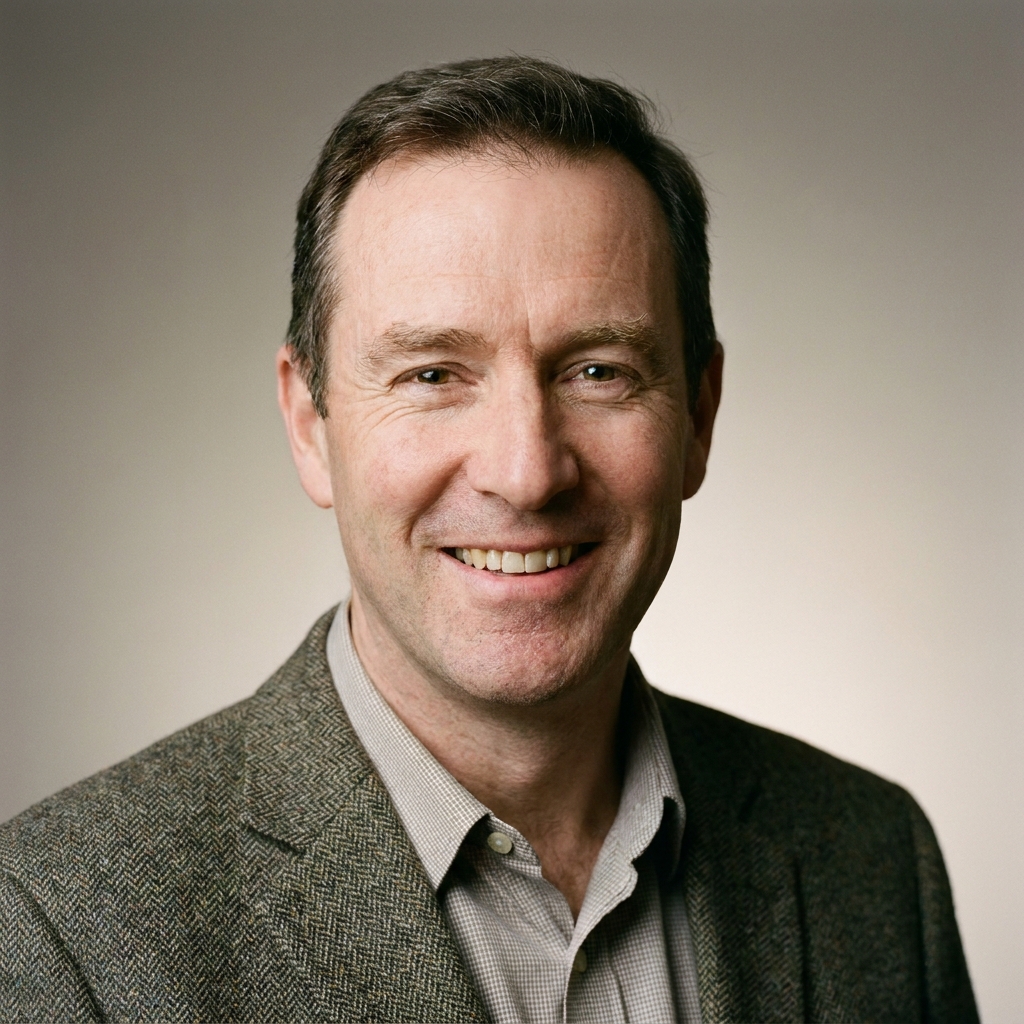
I still remember my first proper Irish Halloween, the kind you feel in your bones instead of just spotting in shop windows. I was parked up in my campervan on a cold field edge in Meath, listening to wind comb through hedgerows and thinking about how odd it is that Halloween, a night of plastic masks and candy, has roots in something far older and far more serious.
In Ireland, Halloween draws heavily from Samhain (pronounced roughly SOW-in or SAH-win, depending on dialect), a festival that marked the end of the harvest and the beginning of winter. Traditionally it sits around October 31 to November 1, the point where the year turns hard toward dark evenings and stored food. Over time, later Christian observances like All Hallows’ and All Souls layered in too, which is part of how we ended up with the Halloween we recognise now.
What Samhain actually was
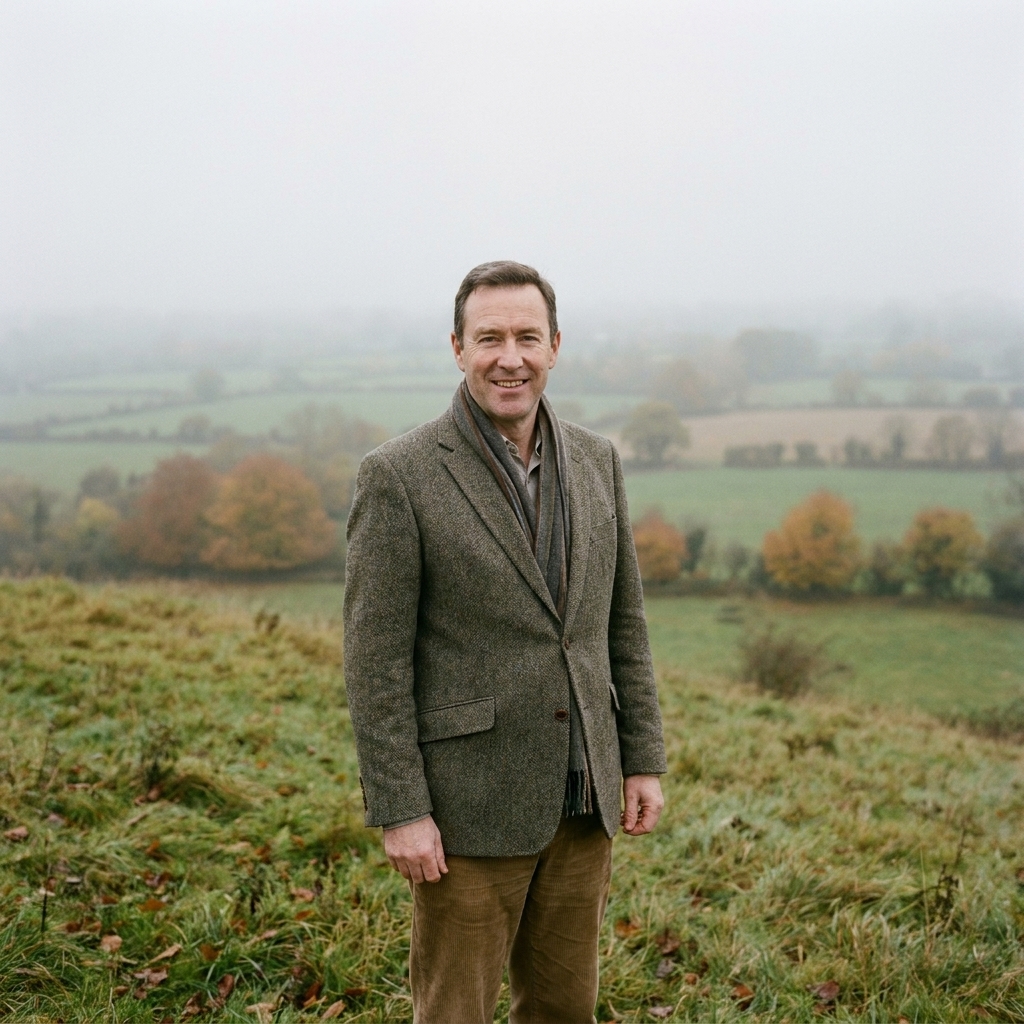
Samhain was one of the great seasonal markers in the Gaelic calendar, sitting opposite Bealtaine (May Day) on the wheel of the year. The basic idea was practical: the farming year was turning, animals were brought in, food was stored, and the community braced itself for winter.
But it was never only practical. In Irish tradition, Samhain was a time when boundaries weakened. In later folklore, that becomes the familiar idea that spirits could wander, the dead might visit, and the Otherworld was closer. Masking, mischief, and protective rituals make more sense when you picture a community trying to manage a night that felt unpredictable.
So is Samhain the Celtic New Year?
You will hear that phrase a lot. It is not wrong in spirit, but it is a little slippery. Samhain marks a major turning point and the start of winter, and in many traditions that can feel like a new year. What we can say confidently is that it was one of the most important seasonal festivals in early Irish tradition and a major anchor point in the ritual and storytelling calendar.
What Halloween kept from Samhain
- Fire: communal bonfires and hearth rituals echo in today’s lantern glow and the whole “spooky night” atmosphere.
- Disguise: masking and going door to door has older cousins in seasonal customs and later folk practices.
- Divination: games about who you would marry, where you would travel, or what luck you would have show up across Irish Halloween lore.
- Threshold thinking: the sense that this night is different, liminal, and loaded with meaning.
And if you want a few very Irish bridging customs, here are the ones that still feel close to the old logic of the night:
- Turnip lanterns: long before pumpkins, Irish households carved turnips. They are harder work and far creepier, in my opinion.
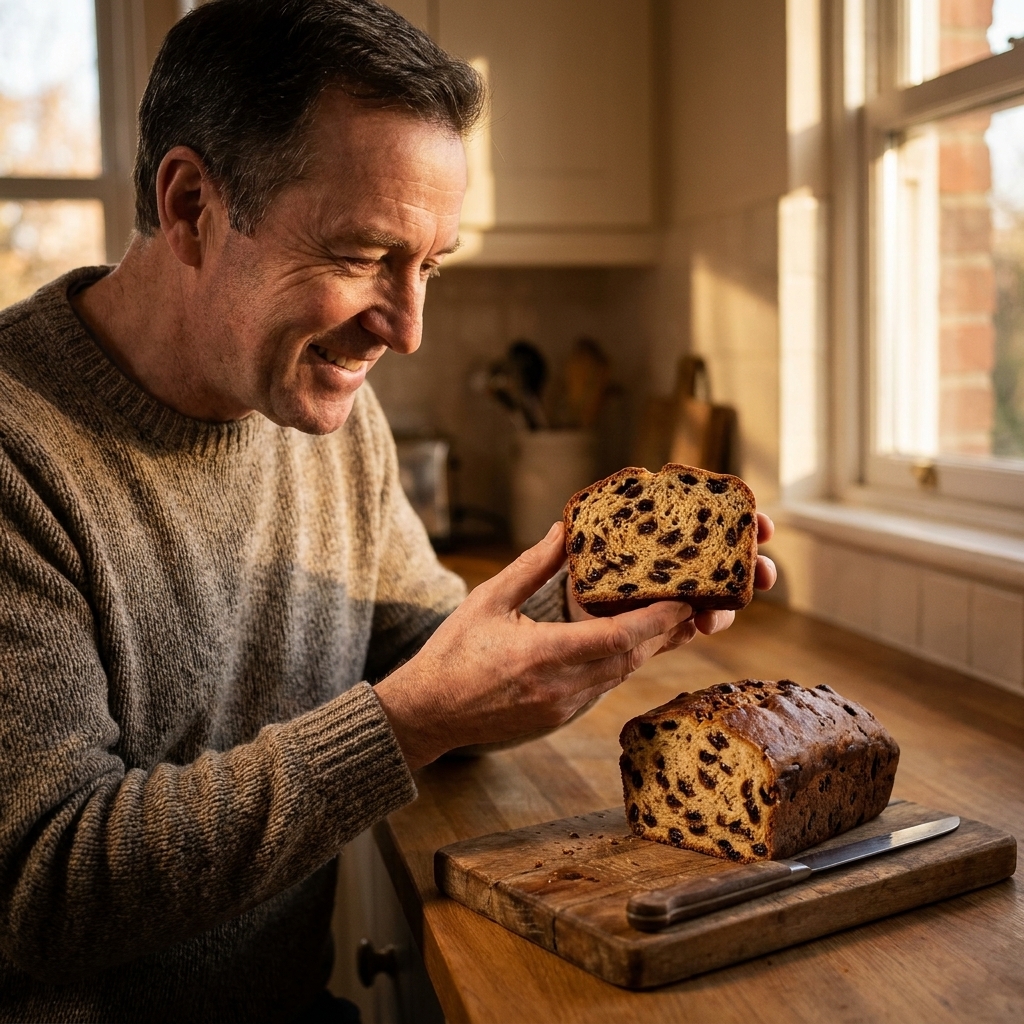
- Barmbrack: the fruit bread with tokens baked in, part treat and part fortune telling.
- Snap-apple and colcannon charms: party games on the surface, but you can still hear the old divination heartbeat under them.
If you want more bite-sized background like this, I keep a running roundup in Ireland Facts.
Landscapes that suit Samhain
One thing Ireland does better than almost anywhere is atmosphere. Not manufactured, not staged. Just the real geography of ancient hilltops, passage tombs, and sacred-looking valleys where you can stand in a November wind and understand why people told stories about hidden worlds.
Below are the places I’d point you toward if you want to feel Samhain with your boots on the ground.
Tlachtga (Hill of Ward), Meath
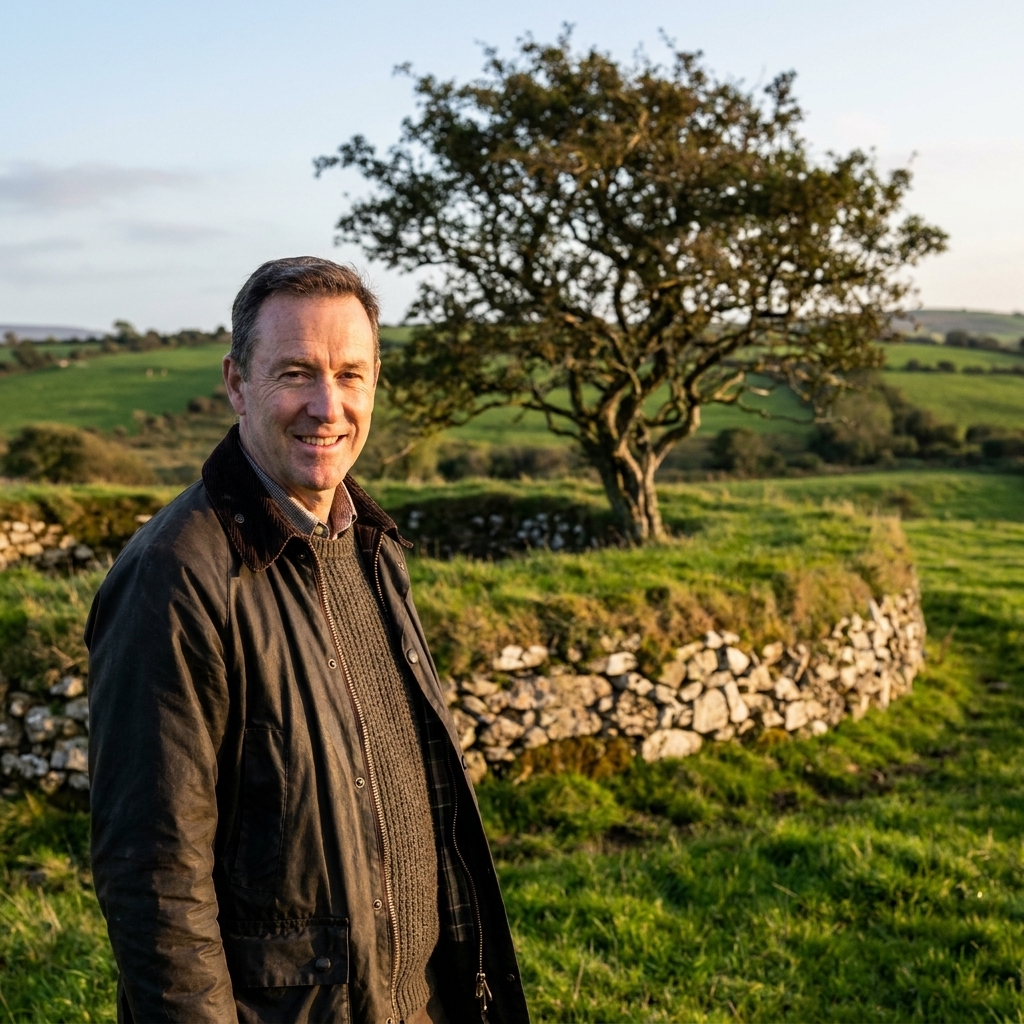
If there is one place that feels like a direct wire to Samhain, it is Tlachtga, better known as the Hill of Ward, near Athboy in County Meath. In medieval tradition and legend, this hill is closely associated with Samhain fires, and modern gatherings have brought that connection back into public view.
It is not a grand, manicured site. It is a hill with a quiet presence, ringed by fields, and it rewards patience. Go late in the day when the light starts to flatten and the wind picks up. You will see why fire mattered.
Hill of Tara, Meath
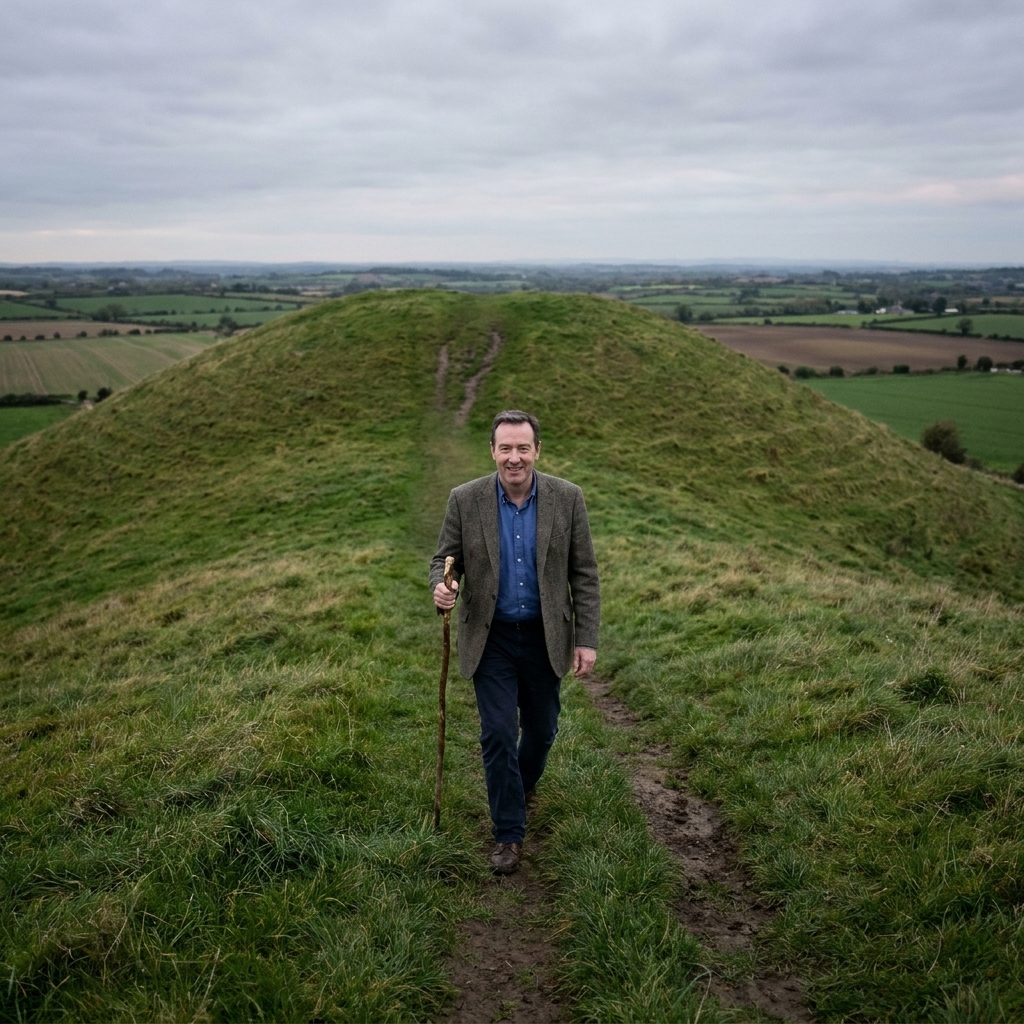
A short hop from Tlachtga sits the Hill of Tara, the symbolic seat of kingship in Ireland. Tara’s power is political and mythic, but Samhain stories cling to it too, especially in the way Irish tradition ties major festivals to major places.
Even if you arrive knowing nothing, Tara reads like a ceremonial landscape: ridges, mounds, long views, and that feeling that you are standing on a stage used for something important. Pair it with Tlachtga and you have a very Meath-flavoured Samhain day out.
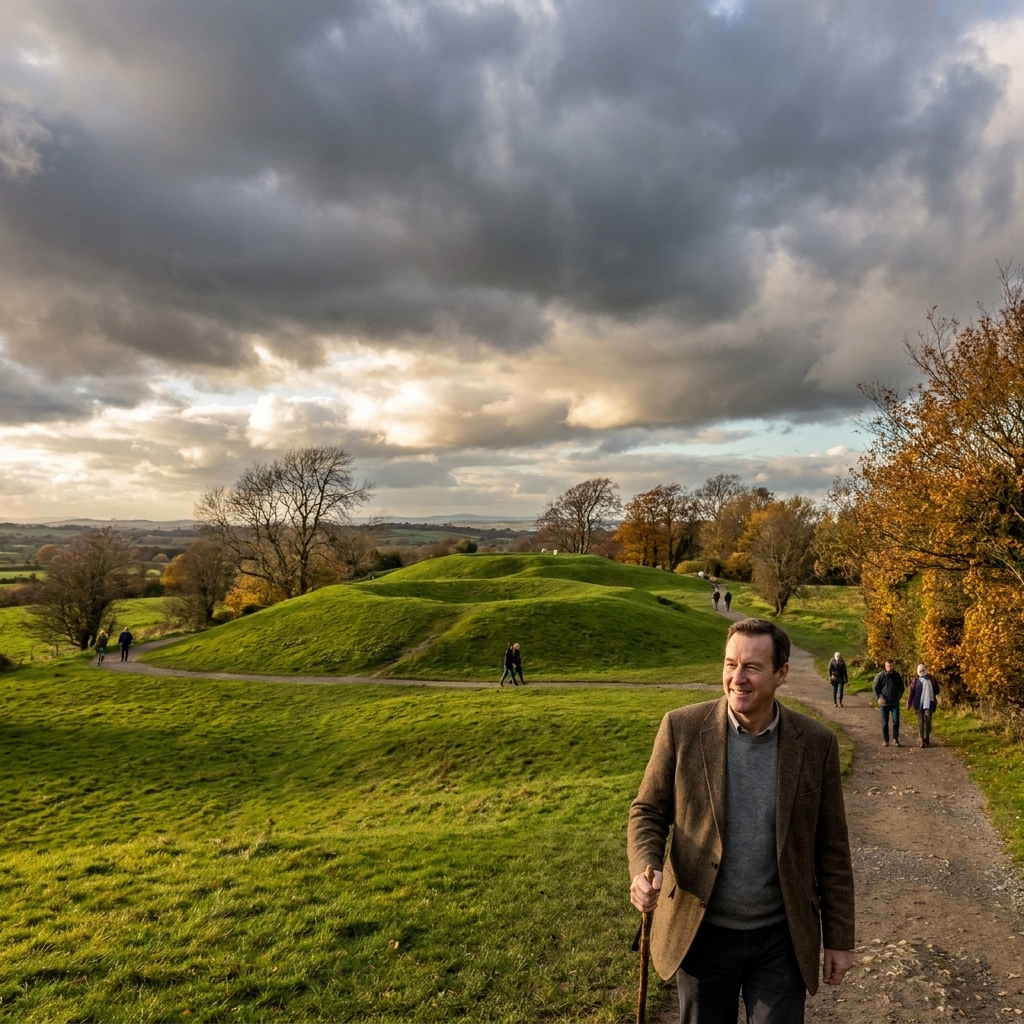
Loughcrew, Meath
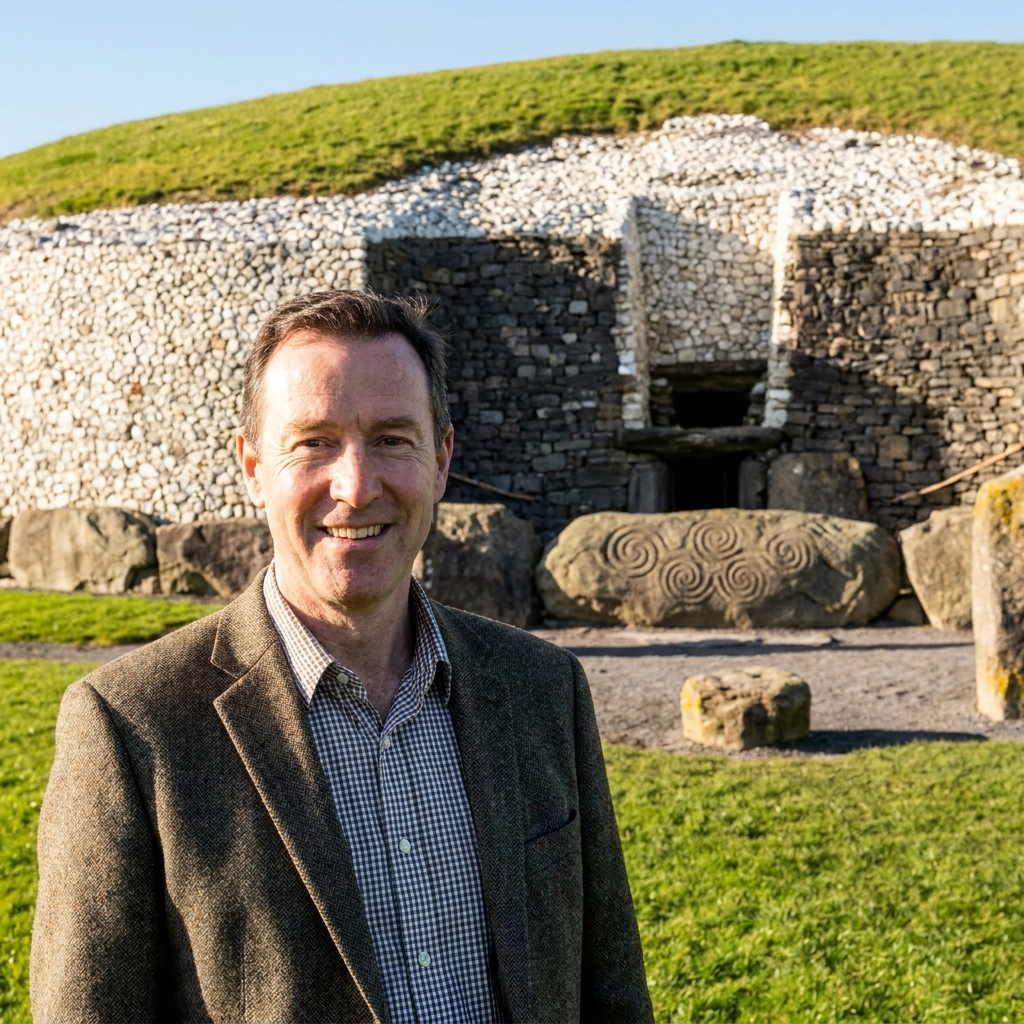
For me, Loughcrew is where Samhain stops being an idea and becomes something you can physically sense. This is a complex of passage tombs and cairns on hilltops, with sweeping views and stonework that has watched more winters than we can easily imagine.
Loughcrew is most famous for alignments around sunrise at certain times of year, and the broader Boyne Valley region has deep prehistoric time baked into it. You are not looking at “Halloween,” exactly. You are looking at the older human habit of marking seasonal change with monuments, story, and sky.
Bring warm layers, give yourself time, and do not rush the walk. This is a place where silence is part of the experience.
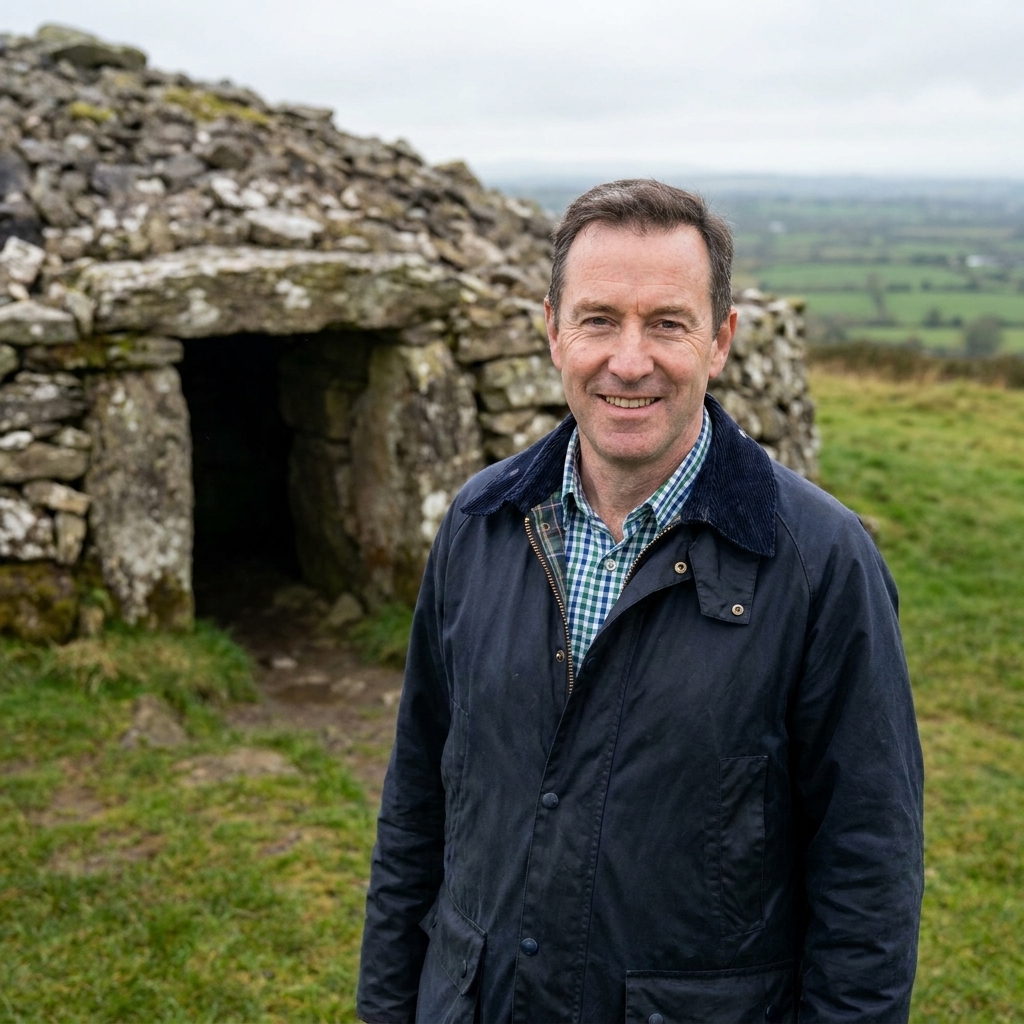
Rathcroghan, Roscommon
If you are the kind of traveller who prefers the raw, less-polished sites, put Rathcroghan (Rathcroghan Archaeological Complex) on your list. This area is tied to the Connacht kings in tradition and is often linked with Samhain stories, including legends that place entrances to the Otherworld in the region.
It is a landscape of earthworks rather than a single postcard monument, which means you need a bit of planning and curiosity. That is the upside too. It feels like you are reading Ireland the way locals did for centuries: by walking fields, following contours, and listening to what stories cling to a place.
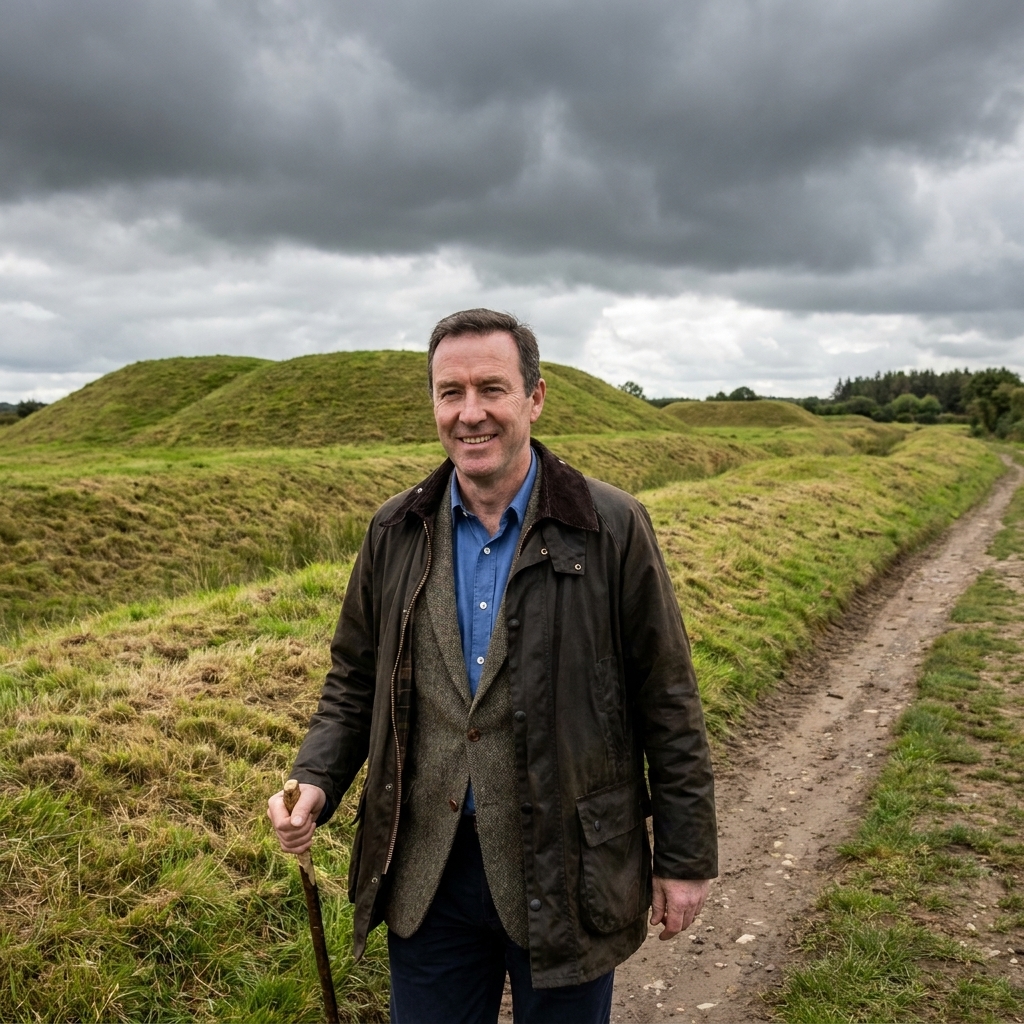
Oweynagat, Roscommon
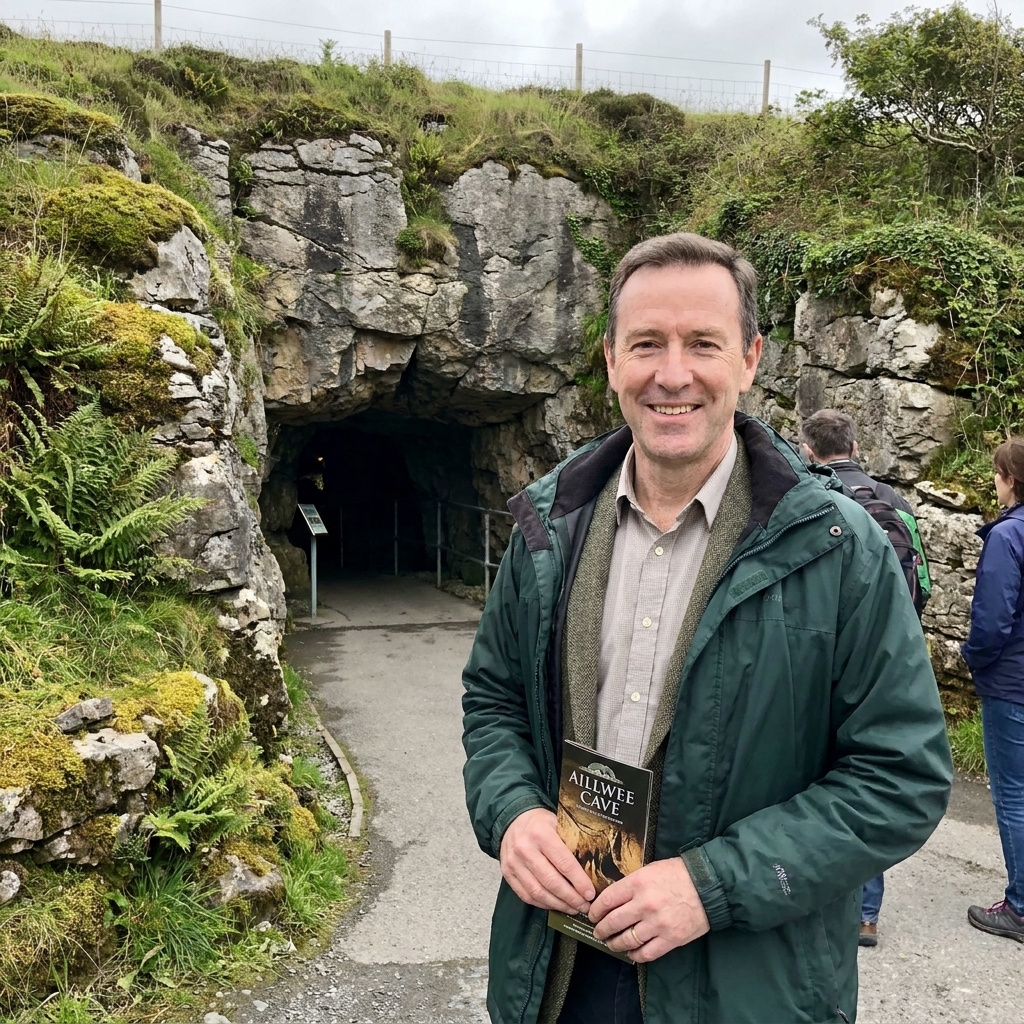
Within the Rathcroghan area, Oweynagat has earned its reputation in legend as an Otherworld entrance. It is the kind of place that reminds you how much Irish folklore relies on very real geography: caves, mounds, wells, and cracks in the ground that look like they could lead somewhere else.
A quick word from the road: caves and old stone features deserve respect. Conditions can be slippery, access can change, and it is worth checking local guidance before you go nosing around in wet weather. If it looks sketchy, leave it be and take your story from the outside.
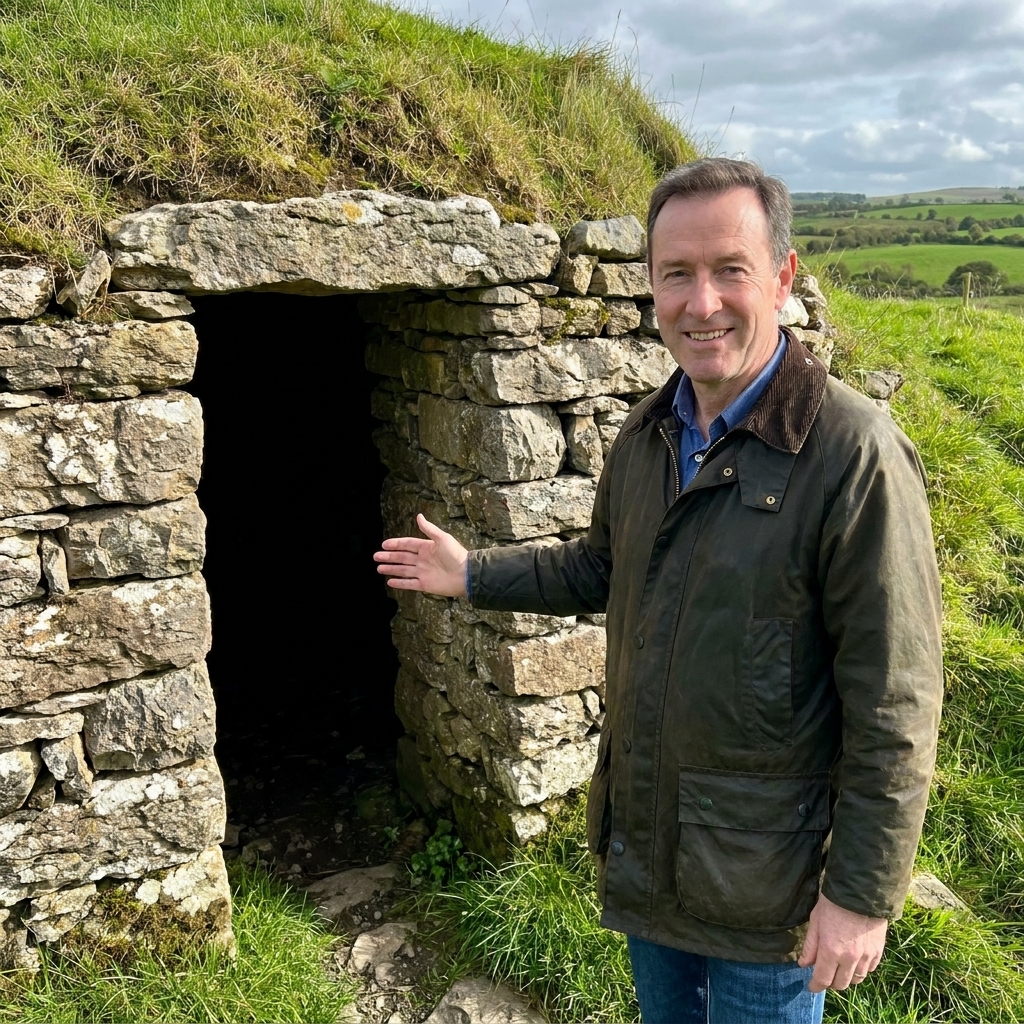
Hill of Uisneach, Westmeath
Uisneach sits near what is often described as the symbolic centre of Ireland, and it carries a deep sense of gathering and ceremony. In tradition it is linked with great assemblies and with the kind of sacred geography that makes festival days feel anchored to place.
One practical note: access here is often best done as a guided walk, depending on the day and the route. That can actually add to the experience, because Uisneach is the kind of landscape that opens up when somebody helps you read it.
Uisneach is also a good reminder that Samhain was not one single ritual performed in one single location. It was a seasonal moment observed across the island in different ways, tied to local landscapes that mattered to local communities.
Samhain festivals today
Modern Ireland celebrates Halloween with all the familiar fun, but if you want something closer to Samhain in spirit, look for events that lean into storytelling, fire, myth, and place rather than just costumes and club nights.
Púca Festival, Meath
Meath has started staking a very fair claim as Samhain country, and the Púca Festival often uses iconic local sites and strong programming to bring folklore, music, and seasonal ritual into the present. It is one of the clearest “Samhain-aware” modern festivals you will find. That said, Roscommon has deep Samhain lore too, and you can feel that pull just as strongly around Rathcroghan.
Check the official site for dates and locations as programming can shift year to year.
Púca Festival official website
Macnas Parade, Galway
For pure spectacle rooted in Irish creativity, Galway’s Macnas parade is hard to beat. This is not a reconstruction of Iron Age ritual, but it catches the older heartbeat: community out in the dark, larger-than-life figures, and that delicious edge of mischief.
Derry Halloween
Up in Derry, Halloween becomes a full-on city festival. Again, it is modern, but it is one of the biggest Halloween gatherings on the island, and it leans into story, performance, and big public energy in a way that feels true to a night meant to be shared.
Derry Halloween official website
If your trip is built around a base in a smaller place rather than a big city, you might enjoy my approach to keeping things slow and local in Plan an Unhurried Day in an Irish Town.
Visiting without breaking the spell
A lot of Ireland’s “spooky” places are simply ancient, and age deserves manners. A few practical tips from too many damp evenings spent learning the hard way:
- Go at golden hour, leave before it gets truly dark: you get atmosphere without risking your ankle on an unseen rut.
- Wear waterproof footwear: fields and grassy slopes turn slick fast in late October and November.
- Expect limited facilities: many of these sites are working landscapes, not visitor centres with cafés and toilets.
- Respect farmland: close gates, stick to paths where possible, and remember many sites sit in active grazing land.
- Bring a small torch: even if you swear you won’t need it, you will.
- Let the place be quiet: it is tempting to narrate everything for your travel companions. Sometimes the best story is the wind and a few minutes of silence.
Quick Samhain FAQ
Is it pronounced Sam-hain?
No. In Irish, it is closer to SOW-in or SAH-win, depending on dialect. “Sam-hain” is the common tourist stumble.
Did the Celts invent Halloween?
Halloween as we know it is a blend built over centuries. Samhain contributes a lot of the seasonal core, timing, and themes in Ireland and Scotland, while Christian feast days like All Hallows’ and All Souls also helped shape the calendar and customs.
What is the most authentic Samhain place to visit?
If you want one answer, I’d pick Tlachtga (Hill of Ward) for its direct Samhain associations, then pair it with either Tara or Loughcrew to deepen the day. If you lean more toward Otherworld lore, build your day around Rathcroghan and Oweynagat in Roscommon.
A last note from the road
I love a good haunted castle tale as much as the next fella, but Samhain is spookier in a quieter way. It is the honest kind of spooky that comes from standing on a hill where people gathered long before electricity, long before easy winters, and long before Halloween was something you could buy in a bag.
If you end up chasing Samhain across the island, do it slowly. Take the small roads. Stop for a bowl of chowder in a warm pub when the rain starts to needle sideways. That contrast, cold outside and firelight within, is about as close to the old festival as you can get.
For more island background and bite-sized folklore, you can keep wandering through my Ireland Facts guide, or if you’re in a mythic mood, I’ve got a soft spot for Irish leprechaun folklore.