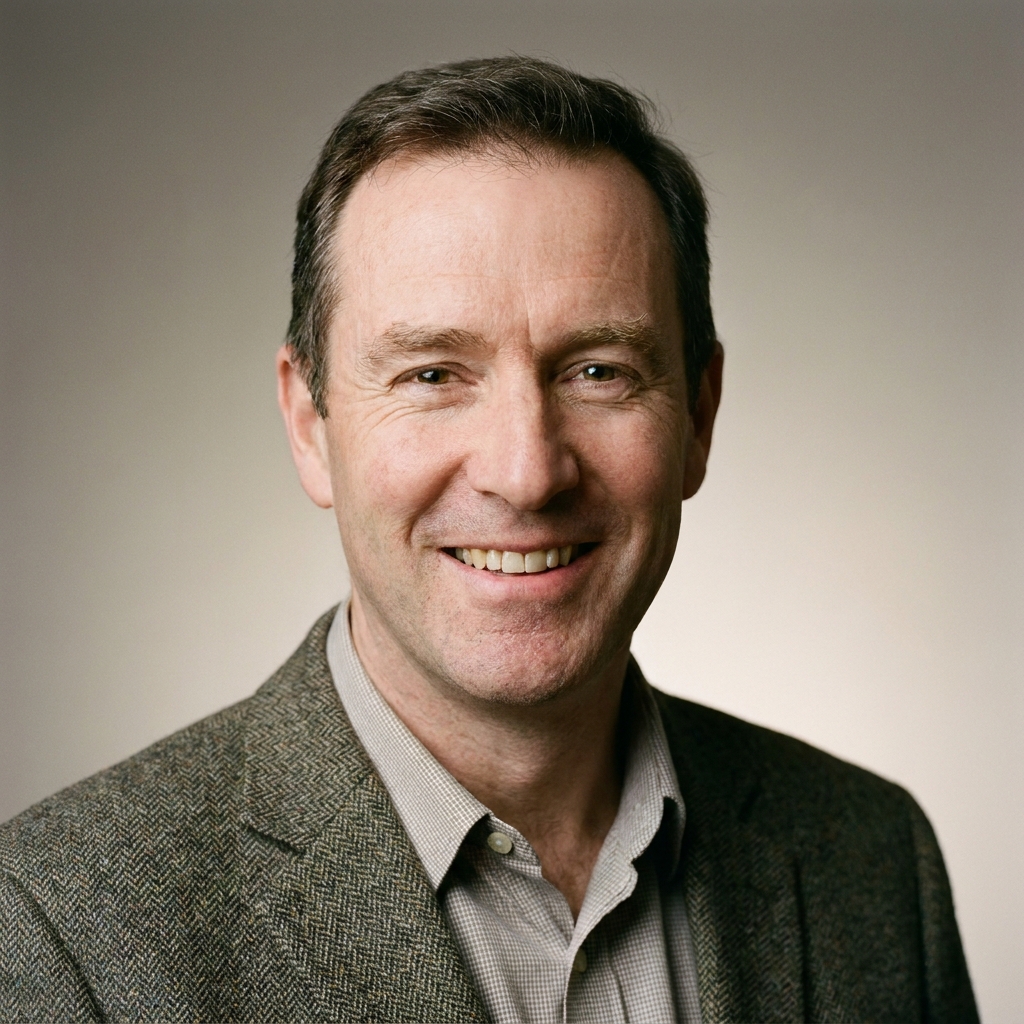
The first time I saw Skellig Michael, it didn’t look real. Just a jagged tooth of rock rising out of the Atlantic, with a scatter of ancient stone huts perched so high they seem to defy gravity and good sense. If you’ve seen The Force Awakens or The Last Jedi, you’ll recognize it as Luke Skywalker’s isolated hideaway. But long before the Jedi arrived, real monks made a life up there with nothing but prayer, seabirds, and a stubborn streak.
This is everything I’ve learned from planning Skellig days, watching boats turn back in rough seas, and climbing those famous steps with my heart thumping louder than the waves. I’ll walk you through how the trip works, how to book, what to pack, what you’ll actually do on the island, and how to give yourself the best shot at a safe landing.
What it is
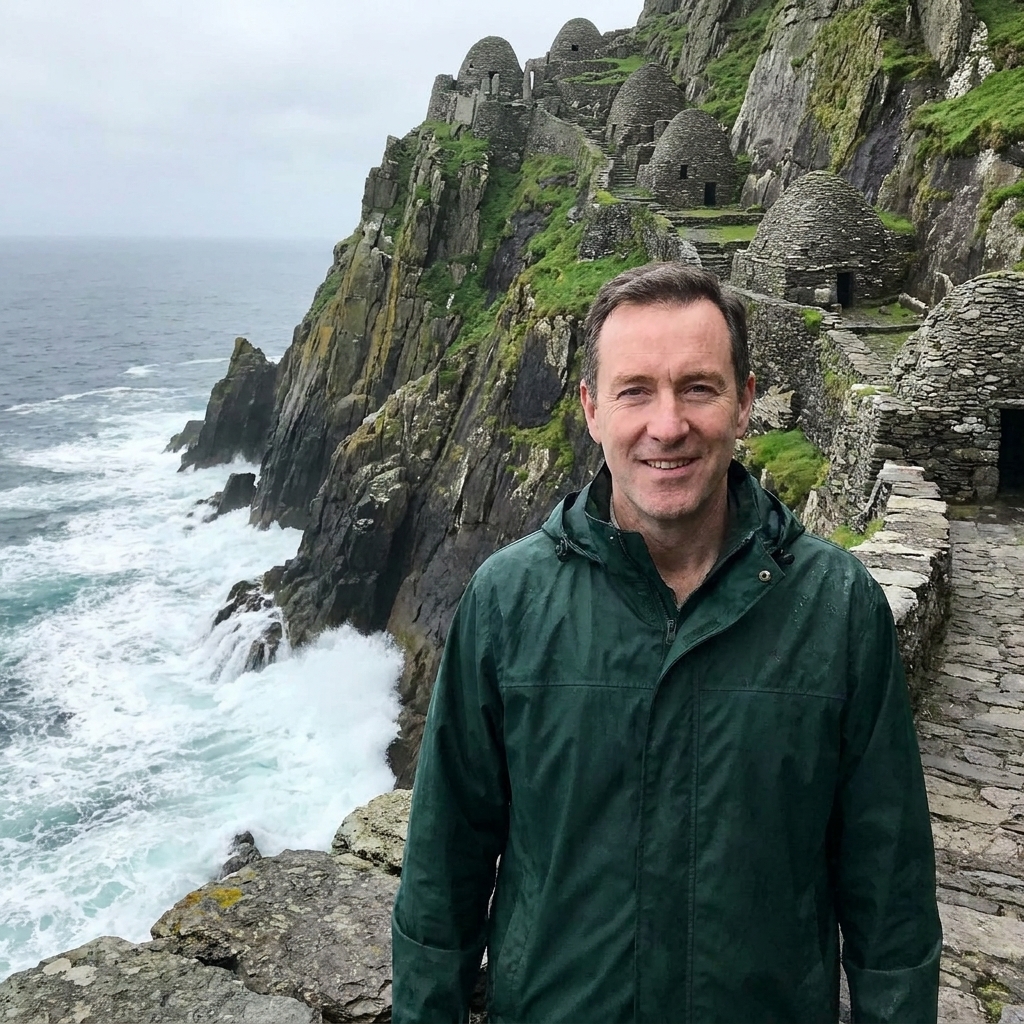
Skellig Michael (Sceilg Mhichíl) is a steep, wave-battered island about 12 km (8 miles) off the County Kerry coast. It’s a UNESCO World Heritage Site, inscribed for its exceptionally well-preserved early medieval monastic settlement.
The “Jedi Temple” nickname is modern, but the feeling of standing up there is timeless. It’s part pilgrimage, part outdoor adventure, part history lesson delivered by wind and salt spray.
What you’ll see
- The monastic settlement: dry-stone beehive huts (clocháin), terraces, and crosses clinging to the slope.
- The small church and oratory: simple stone buildings that make the place feel even more improbable when you remember how far out at sea you are.
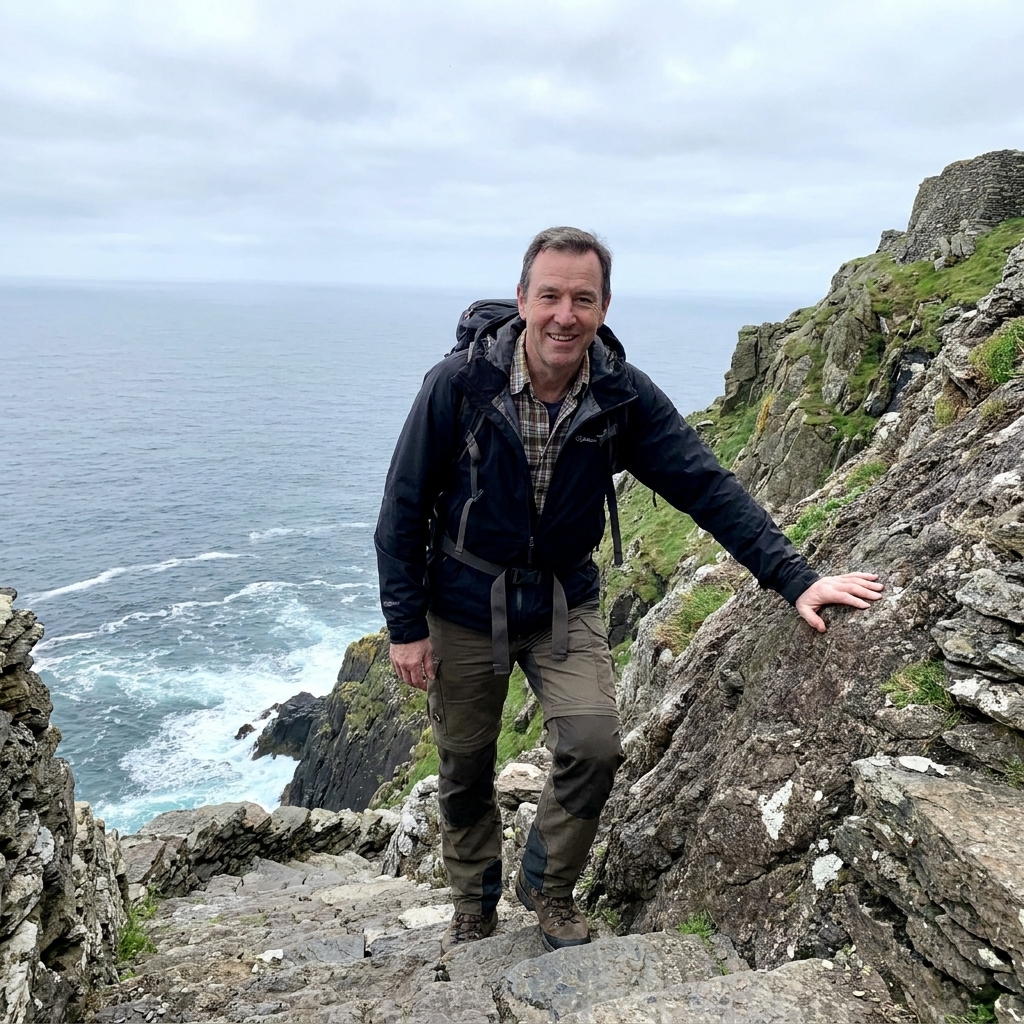
- The stone steps: a long, steep climb on uneven, sometimes slippery ancient steps with no handrails.
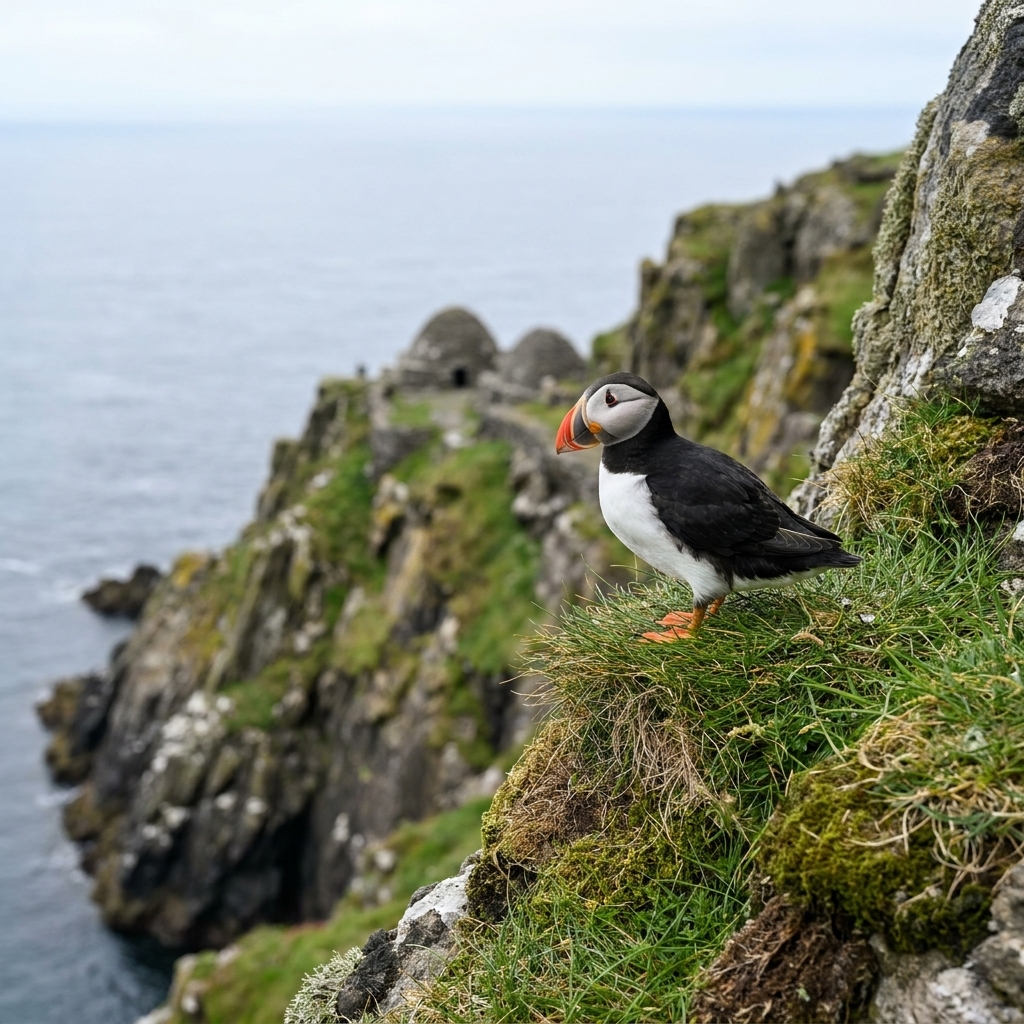
- Seabirds: depending on the day and season, you may see puffins, kittiwakes, guillemots, razorbills, and more.
- Little Skellig: you do not land there, but many trips pass by it, and it’s the real heavy-hitter for gannets in this area.
When to go
Skellig Michael is highly seasonal, and even in-season the Atlantic makes the final decision.
Typical season
Most landings happen during the calmer months, generally late spring through early autumn. Exact opening dates and day-to-day access depend on sea conditions, staffing, and conservation rules, so think of the season as a window rather than a guarantee.
Puffin season
If puffins are high on your wish list, aim for late spring and early summer. When they show up close to the path, they look like little wind-up toys with serious eyebrows.
Weather reality check
Even on a bright morning, swells can build fast. Operators cancel for safety when conditions turn. If your heart is set on Skellig, give yourself more than one possible day in the area. Ireland’s weather loves a plot twist. For the broader pattern, have a look at the truth about Irish weather.
How to book
Skellig trips are not a “show up and sort it out” kind of day, especially in peak summer. Boats have limited capacity, landings are regulated, and cancellations can squeeze availability. Even with a confirmed booking, a landing is never guaranteed.
Pick a departure point
Most boats depart from the Ring of Kerry side:
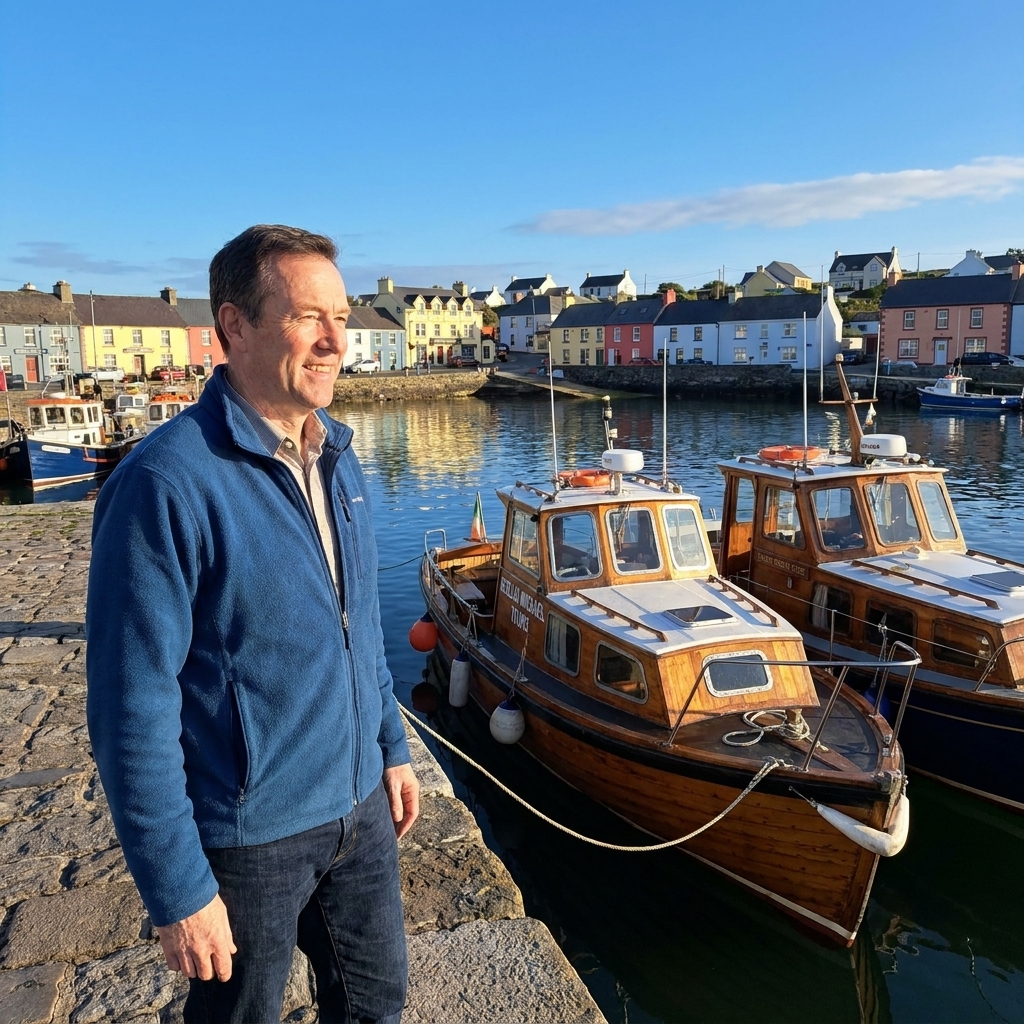
- Portmagee: the most common base, with the widest range of operators.
- Valentia Island area: some operators use nearby slipways and harbours depending on tides and logistics.
- Ballinskelligs: fewer options, but sometimes available.
If you’re building a Kerry itinerary around this, it can help to pair it with a slower town day the night before. I’m a big fan of not sprinting everywhere in Ireland. This guide to planning an unhurried day in an Irish town is the exact vibe you want before a big sea crossing.
Landing vs cruise-only
There are generally two kinds of experiences:
- Landing tours: you get on Skellig Michael and climb to the monastery. This is the classic visit and the one most people mean when they say “I’m going to Skellig.”
- Scenic and eco cruises (no landing): you circle the Skelligs by boat, usually taking in Skellig Michael and Little Skellig. You still get dramatic views and brilliant seabird action, and it’s a great fallback if you can’t land.
Important: some trips advertised as “Skellig” focus on lighthouse viewing and coastline cruising rather than the monastery landing. Read descriptions carefully so you don’t end up on the wrong kind of boat for your goal.
Timing and flexibility
- Book early for summer dates, especially if you only have one possible day in Kerry.
- Build a buffer: staying two or three nights nearby gives you backup days if seas cancel landings.
- Confirm the meeting point: harbours can be busy and parking fills quickly.
What the day is like
The crossing is part of the adventure. Expect ocean spray, strong motion, and the occasional moment where you think, “Ah. So this is why monks chose silence.”
Ballpark timings
Every operator is different, and conditions change everything, but this is the rough shape of a typical landing day:
- Boat crossing: often around 45 to 60 minutes each way.
- Time on the island: commonly around 2 to 2.5 hours for landing tours, sometimes a touch more or less depending on sea state and schedules.
- Total time: door-to-door from Portmagee, it can easily feel like a solid chunk of the day once you add check-in, briefing, and the return.
If you get seasick
- Take motion sickness tablets well before departure, not after you feel woozy.
- Eat something light (an empty stomach can be worse).
- Sit where the crew suggests and keep your eyes on the horizon.
- Bring water and dress for spray even if it’s sunny on shore.
The climb
Let me be plain about it: landing on Skellig Michael is not a casual stroll. Once you step off the boat, you’re committed to a serious climb on old, uneven stone steps. It is exhilarating, and it is also the main reason some people decide not to go up all the way.
How hard is it?
If you’re reasonably fit, steady on your feet, and comfortable with heights, you’ll likely be fine. If you struggle with steep stairs, vertigo, knee issues, or balance, this may feel stressful rather than magical.
Safety tips
- Wear proper footwear: grippy hiking shoes or trail runners. Avoid smooth-soled trainers.
- Keep your hands free: use a small backpack, not a dangling tote.
- Take it slow: plenty of people stop often. Nobody is timing you.
- Mind the edges: there are exposed sections. Stay focused and don’t walk while looking through your camera.
- Listen to the guides and rangers: routes and access can change due to nesting birds, surface conditions, or conservation work.
What the steps feel like
They’re narrow in places, slanted in others, and worn slick by weather and footfall. When it’s damp, it can be slippery. When it’s sunny, the stone warms and the wind makes it feel like you’re walking through two seasons at once.
Facilities and rules
This is the bit people forget to ask until they’re halfway out of Portmagee, doing the mental inventory of pockets and bottles.
- No toilets on the island.
- No cafe or shop, so bring what you need.
- Pack it in, pack it out: take all rubbish back with you.
- Stay on paths: it protects both you and the archaeology.
- Respect wildlife: no feeding birds and no wandering into nesting areas, even for “just one photo.”
Leave drones at home. Between safety, nesting birds, and protected-site rules, they are a bad idea here even before you get into what’s allowed.
Why it hits so hard
I’m not a formal historian, just someone who asks too many questions in rural pubs and then goes looking for the answer the next day. What always gets me about Skellig is the sheer audacity of it. The early Christian monks who lived here chose the edge of the world on purpose. It was isolation as devotion.
Up at the monastery, the beehive huts look small until you’re standing beside them. Then you realize how cleverly they’re built. No mortar, just stone balanced and fitted so tightly it has endured Atlantic gales for over a millennium.
If you enjoy sites where early Irish spirituality still feels close to the surface, you might also like Glendalough in the Wicklow Mountains. It’s far more accessible, but it carries that same hush in the air.
Puffins and wildlife
Puffins are the headline act for many visitors, and yes, they are as charming in real life as the photos. But they share the stage with plenty of other seabirds, and what you see can vary day to day.
Where you might see puffins
In season, you’ll often spot puffins near burrows along the upper paths, sometimes close, sometimes just bobbing around offshore. The best approach is quiet patience. Stand still, let your eyes adjust, and they appear like little surprises in the grass.
Other wildlife
- Gannets are most strongly associated with Little Skellig, and many cruises give you a proper look at the colony from the boat.
- Guillemots and razorbills often pack themselves along ledges.
- Seals are occasionally visible in the water near the rock.
What to pack
Pack for wind, spray, and changeable conditions, even if the forecast looks gentle from your breakfast table.
- Waterproof jacket: ideally with a hood that stays put in wind.
- Layers: it can be chilly on the water and warm on the climb.
- Sturdy shoes: grippy soles are non-negotiable.
- Small backpack: keep hands free on the steps.
- Water and a snack: you’ll burn more energy than you expect.
- Sunscreen: yes, in Ireland too, especially with sea glare.
- Camera strap: the wind has no sympathy for loose gear.
Planning in Kerry
Skellig Michael works best as the centerpiece of a Kerry stretch, not a frantic add-on between castles and dinner reservations.
Where to base yourself
Portmagee is the classic base for an early departure. You can also stay in nearby towns and drive over, but give yourself generous time for parking, check-in, and weather-related schedule shifts.
If your trip is canceled
Cancellations are nobody’s fault. They’re the price of dealing with the Atlantic. If your landing is called off, ask about rescheduling or switching to a cruise around the Skelligs if available. And if you end up staying shore-side, Kerry still has plenty of magic: coastal views, small harbours, and the kind of pubs where the conversation is the entertainment.
If your Ireland route includes other big coastal drives, you’ll enjoy my deep dive on the Wild Atlantic Way.
FAQ
Is Skellig Michael worth it?
If you’re able for the climb and you can give yourself flexibility for weather, it’s one of the most unforgettable trips you can do in Ireland. Depending on departure point and conditions, it can feel like a half-day or it can take up most of your day, and either way you come back salt-stung and slightly proud of yourself.
Do I need to be a Star Wars fan?
Not at all. The film connection is fun, but the island’s real story is older and stranger and, in my opinion, far more interesting.
Can kids do the climb?
Some families do it successfully, but it depends entirely on the child’s balance, attention, and comfort with heights. There are exposed sections and no handrails. If you’re unsure, choose a scenic cruise instead.
Is it accessible?
No. Between the boat landing, uneven surfaces, and steep steps, Skellig Michael is not suitable for visitors who need step-free access or stable pathways.
How long do you get on the island?
It varies by operator and conditions, but landing tours commonly allow around 2 to 2.5 hours. Treat it as limited time and prioritize the monastery climb if landing access is granted.
What’s the single best tip?
Give yourself an extra day nearby. Skellig rewards patience, and the weather doesn’t care about your itinerary.
Final word
Skellig Michael isn’t a theme park set piece, even if Hollywood borrowed it for one of the biggest franchises on earth. It’s a fragile, storm-lashed place that survived because people treated it with respect. Walk carefully, listen to your crew and the rangers, and take a moment at the top to let the wind do what it does best: make everything else feel very small.
And when you’re back on the mainland, salt still on your lips, that first warm meal tastes like you earned it. If you need inspiration, I’ve got you covered on what locals actually go for at the table in these traditional Irish foods to try.