
I learned the difference between shepherd’s pie and cottage pie the way a lot of us do, by ordering one in a snug pub on a wet evening and then arguing about it over the first few bites. Someone always says, “Sure it’s the same thing,” and someone else insists their granny would haunt them for calling beef “shepherd’s.”
Here’s the clean truth: shepherd’s pie is lamb, and cottage pie is beef. Everything else is tradition, preference, and whatever was in the larder that week.
The difference in one sentence
Shepherd’s pie is made with ground or minced lamb (shepherds, sheep, you get the idea), while cottage pie is made with ground or minced beef.
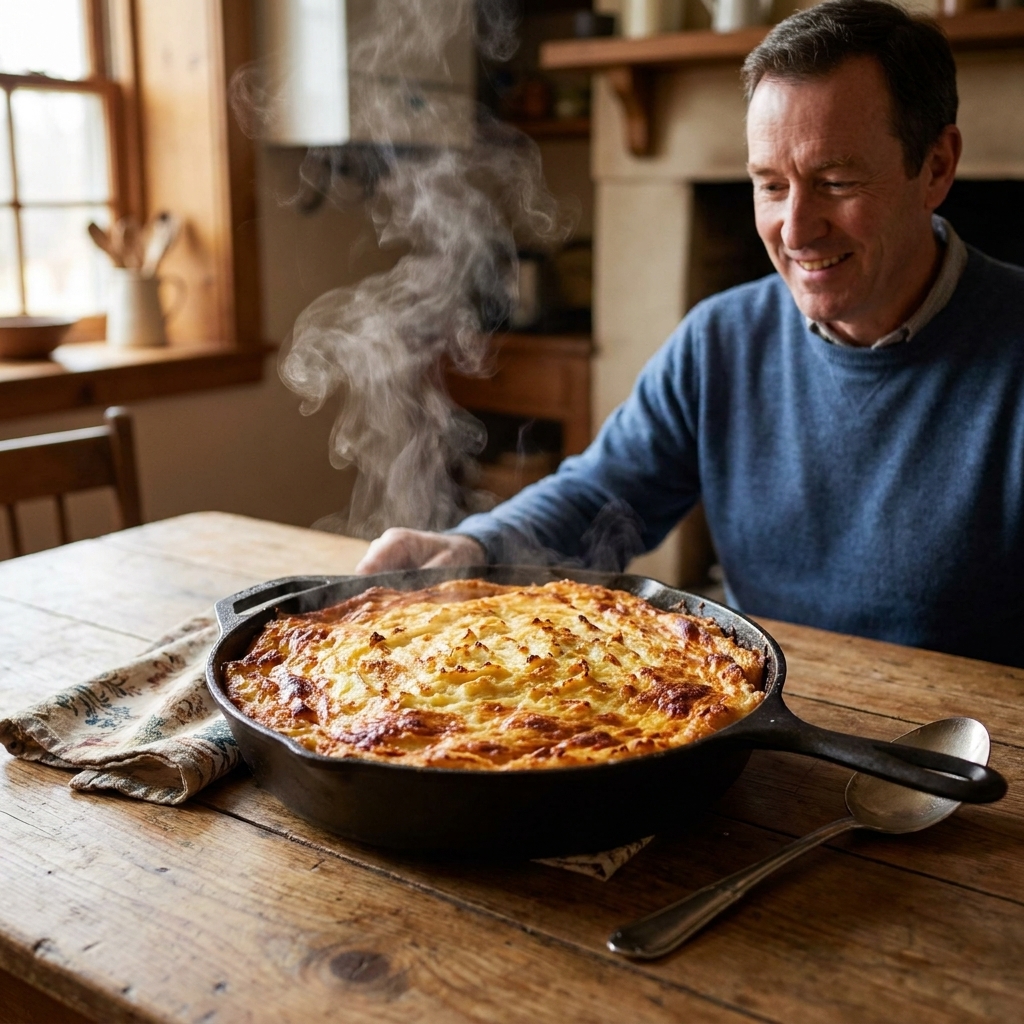
Both are topped with mashed potatoes and baked until the top goes crisp and bronzed.
So why do people mix them up?
Because in the real world, especially outside Ireland and the UK, “shepherd’s pie” often gets used as the catch-all name for any meat pie with mashed potato on top. On menus, you will sometimes see beef versions called shepherd’s pie anyway. It is not the end of the world, but it does blur the line.
Is shepherd’s pie Irish?
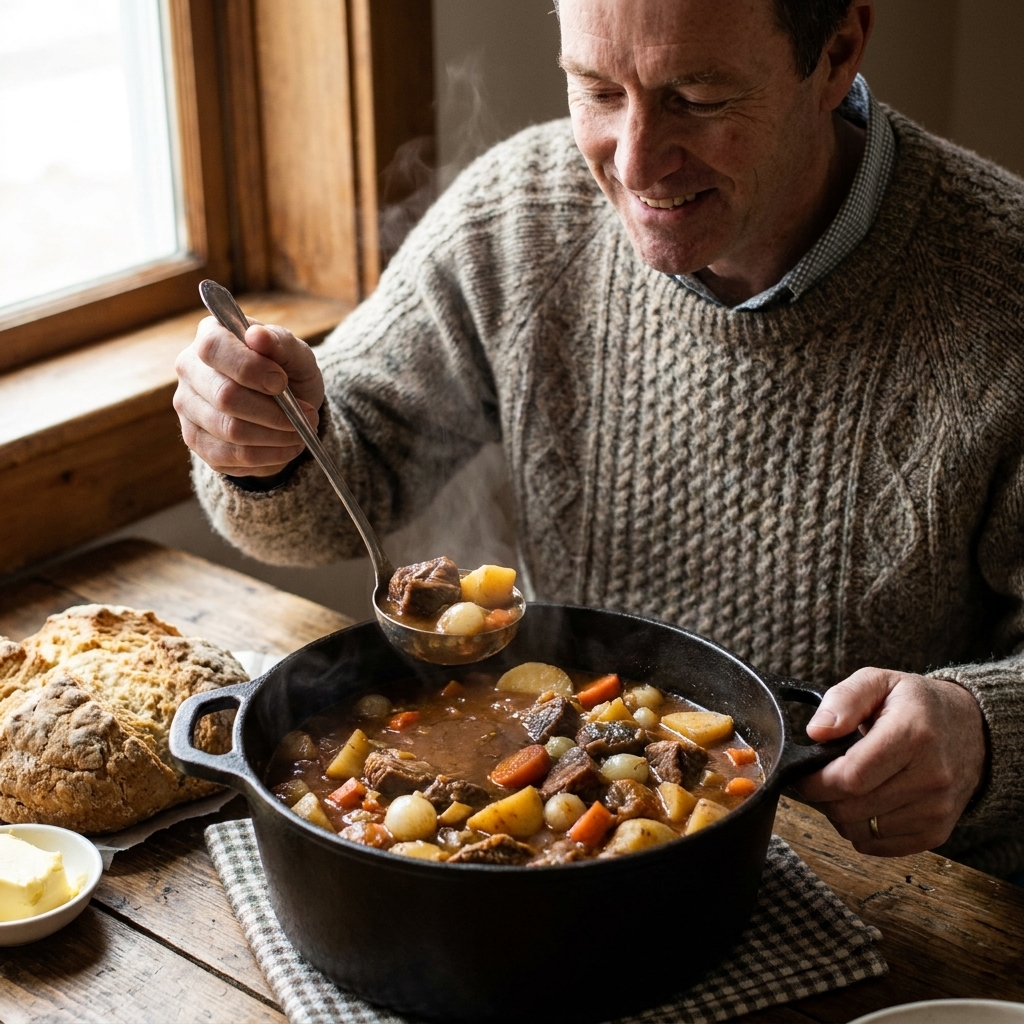
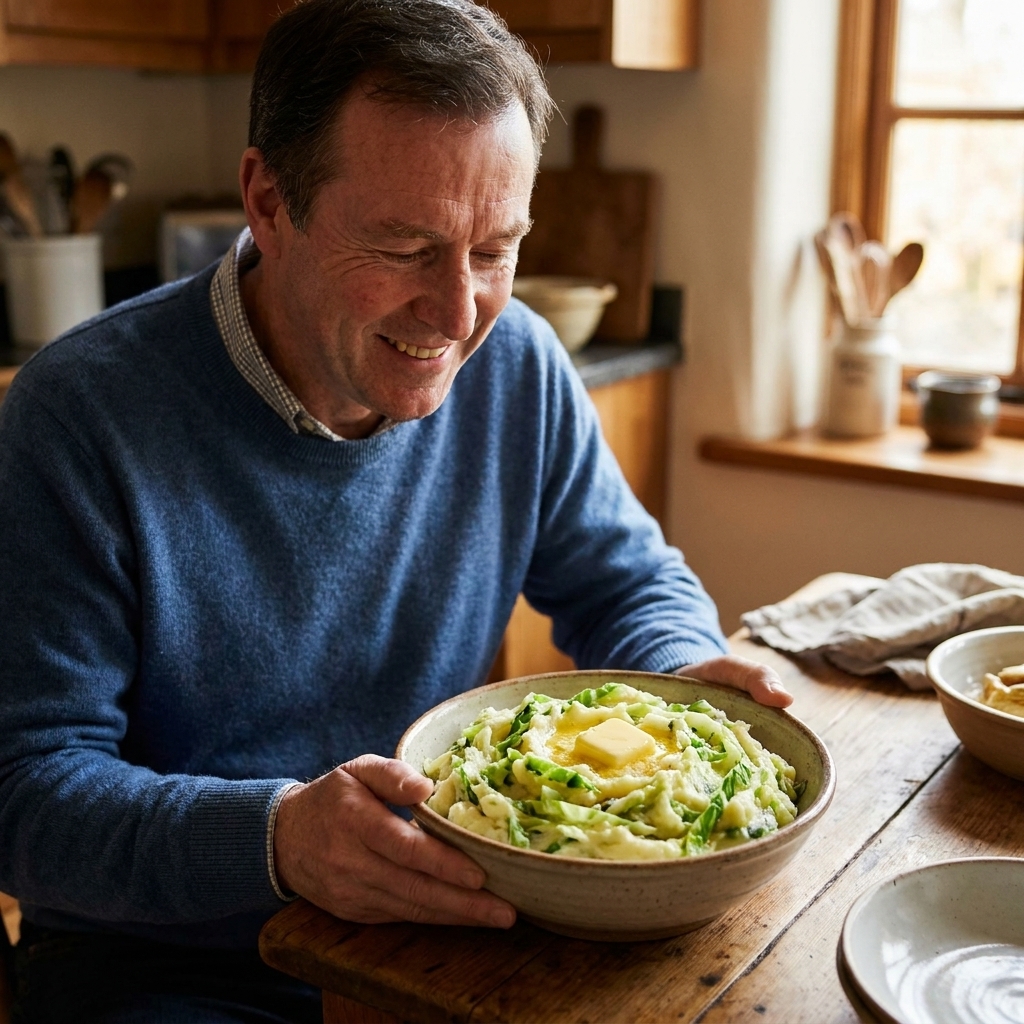
You will find it everywhere in Ireland, especially in pubs and carveries, but it is part of a shared set of comfort dishes across Ireland and Britain. In Irish kitchens, it also sits alongside other cozy classics like traditional Irish stew and potato favorites like colcannon and champ.
Quick comparison
| Feature | Shepherd’s Pie | Cottage Pie |
|---|---|---|
| Meat | Lamb (minced/ground) | Beef (minced/ground) |
| Flavor | Richer, slightly gamey, very savory | Beefy, a bit sweeter and more familiar |
| Best herbs | Rosemary, thyme | Thyme, parsley |
| Classic vibe | Sunday dinner energy | Weeknight comfort, pub staple |
What about Guinness?
Guinness works beautifully in both, but it leans especially well with beef. If you want the pub-style feel, a small pour in the filling gives you that dark, roasted depth. And if you’re pouring a pint alongside it, here’s my favorite little ritual: how to order a Guinness like a local.
Potato topping
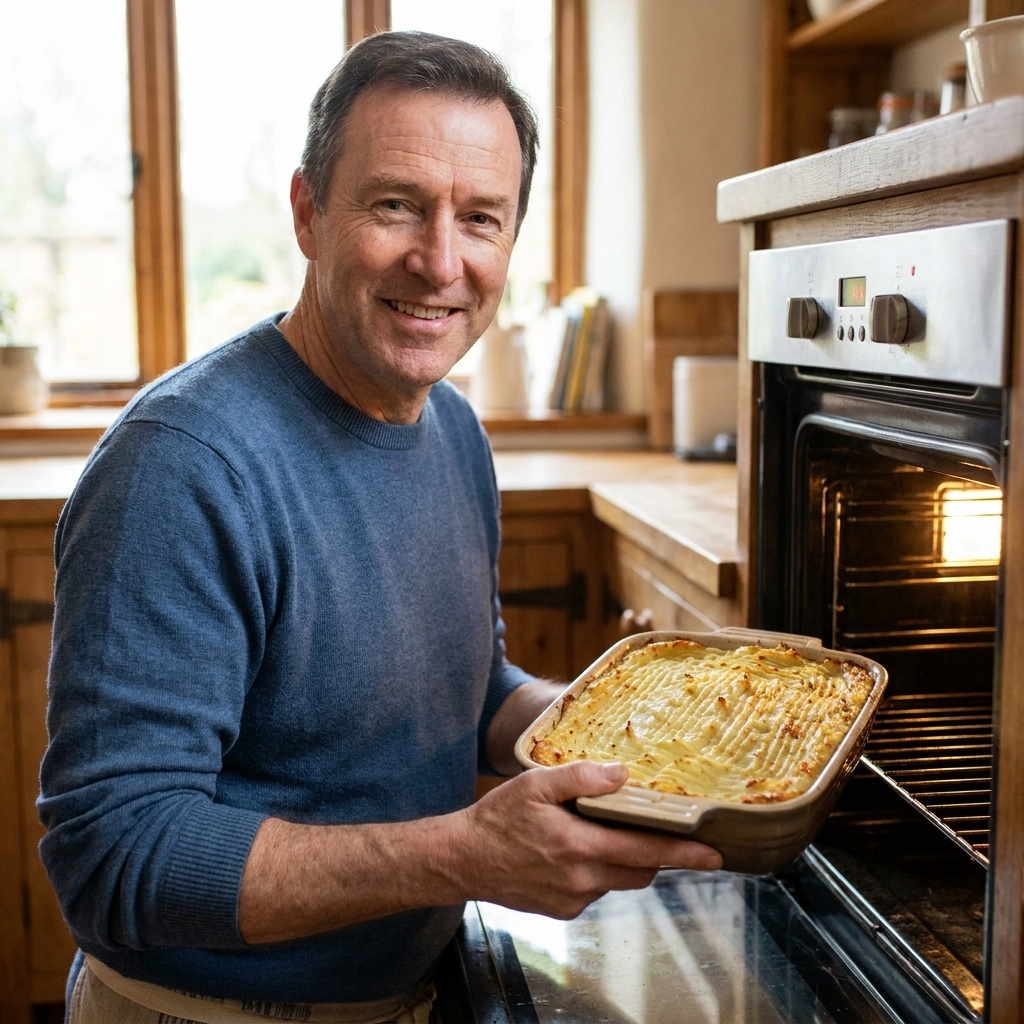
The topping is the make-or-break moment. You want fluffy mash underneath and a golden, slightly crunchy top that can take a fork like a champ.
- Dry the potatoes. After draining, pop them back in the hot pot for 1 minute, shaking gently, to steam off moisture.
- Use plenty of butter. Butter helps browning and makes the mash spreadable instead of gluey.
- Go easy on the milk. Too much liquid makes a pale topping that steams instead of crusts.
- Rough up the surface. Drag a fork over the top before baking. More ridges means more crispy bits.
- Finish hot. If your oven is polite, give it 2 to 4 minutes under the grill (broiler) at the end, watching like a hawk.
Base method
Think of this as the shared backbone. The meat changes, and a couple of seasoning choices shift, but the flow stays the same.
Equipment
- Large skillet or sauté pan
- Medium pot for potatoes
- 2-quart (roughly 2-liter) baking dish
Timing
- Prep: 20 minutes
- Cook: 45 minutes
- Total: about 1 hour 5 minutes
Make-ahead note
You can make the filling and mash up to a day ahead. Keep them separate in the fridge, assemble cold, and bake until the center is properly hot (add 10 to 15 minutes).
Ingredient note
Worcestershire sauce often contains anchovies. If you are cooking for fish allergies or avoiding fish, check the label and use a suitable alternative.
Shepherd’s pie (lamb)
This is the one for lamb lovers. If you have rosemary around, use it. Lamb and rosemary get on like old friends.
Ingredients (serves 4 to 6)
- For the topping: 2 lb (900 g) floury potatoes (like Rooster or Maris Piper), 4 tbsp (55 g) butter, 1/3 cup (80 ml) milk (plus a splash if needed), 1 egg yolk (optional but great for browning), 1/2 tsp salt, black pepper
- For the filling: 1 tbsp oil or dripping, 1 1/2 lb (680 g) minced lamb, 1 onion (finely diced), 2 carrots (small dice), 2 celery stalks (small dice, optional), 2 cloves garlic (minced), 1 tbsp tomato paste, 1 tbsp flour, 1 cup (240 ml) stock (lamb is ideal, chicken also works), 1 tsp Worcestershire sauce, 1 tsp fresh thyme (or 1/2 tsp dried), 1 tsp chopped rosemary (or 1/2 tsp dried), 1/2 cup (70 g) peas, salt and pepper
Method
- Boil the potatoes. Peel and chop into even chunks. Boil in salted water until very tender, 15 to 20 minutes.
- Brown the lamb. Heat oil in a large pan. Add lamb and cook until well browned. If there is lots of fat, spoon off a bit, but leave enough for flavor.
- Soften the veg. Add onion, carrots, and celery. Cook 8 to 10 minutes until softened. Stir in garlic for 30 seconds.
- Build the gravy. Stir in tomato paste. Sprinkle in flour and cook 1 minute. Add stock and Worcestershire. Add thyme and rosemary. Simmer 10 minutes until thick and glossy. Stir in peas. Season to taste.
- Mash the potatoes. Drain, dry in the hot pot for 1 minute, then mash with butter and milk. Season. Mix in egg yolk if using.
- Assemble. Heat oven to 400°F (200°C). Spoon filling into a baking dish. Top with mash, seal edges, then rake with a fork.
- Bake. Bake 20 to 25 minutes until bubbling at the edges and golden on top. Grill (broil) 2 to 4 minutes for extra crust if you like.
Declan’s pub tip
Let it sit 10 minutes before serving. The filling thickens slightly and you get cleaner scoops, not a lava flow.
Cottage pie (beef)
This one is the steady all-rounder. Beef gives you that deep savory base that tastes like it’s been simmering longer than it actually has.
Ingredients (serves 4 to 6)
- For the topping: 2 lb (900 g) floury potatoes, 4 tbsp (55 g) butter, 1/3 cup (80 ml) milk, 1/2 tsp salt, black pepper, 1/2 cup (50 g) grated cheddar (optional)
- For the filling: 1 tbsp oil, 1 1/2 lb (680 g) minced beef (10 to 15% fat is ideal), 1 onion (finely diced), 2 carrots (small dice), 8 oz (225 g) mushrooms (chopped, optional), 2 cloves garlic (minced), 1 tbsp tomato paste, 1 tbsp flour, 3/4 cup (180 ml) stock, 1/2 cup (120 ml) Guinness or stout (optional), 1 tsp Worcestershire sauce, 1 tsp thyme (fresh or dried), 1 tbsp chopped parsley (to finish, optional), salt and pepper
Method
- Heat the oven and start the potatoes. Heat oven to 400°F (200°C). Peel and chop potatoes, then boil in salted water until very tender, 15 to 20 minutes.
- Brown the beef. Heat oil in a large pan. Add beef and cook until you get real color in the pan. Color equals flavor. Spoon off excess fat if needed.
- Soften the veg. Add onion and carrots (and mushrooms if using). Cook 8 to 10 minutes until softened. Add garlic for 30 seconds.
- Thicken the base. Stir in tomato paste. Sprinkle in flour and cook 1 minute.
- Simmer. Add stock, Guinness (if using), Worcestershire, and thyme. Simmer 10 to 12 minutes until thick. Season well.
- Mash the potatoes. Drain, dry in the hot pot for 1 minute, then mash with butter and milk. Season well.
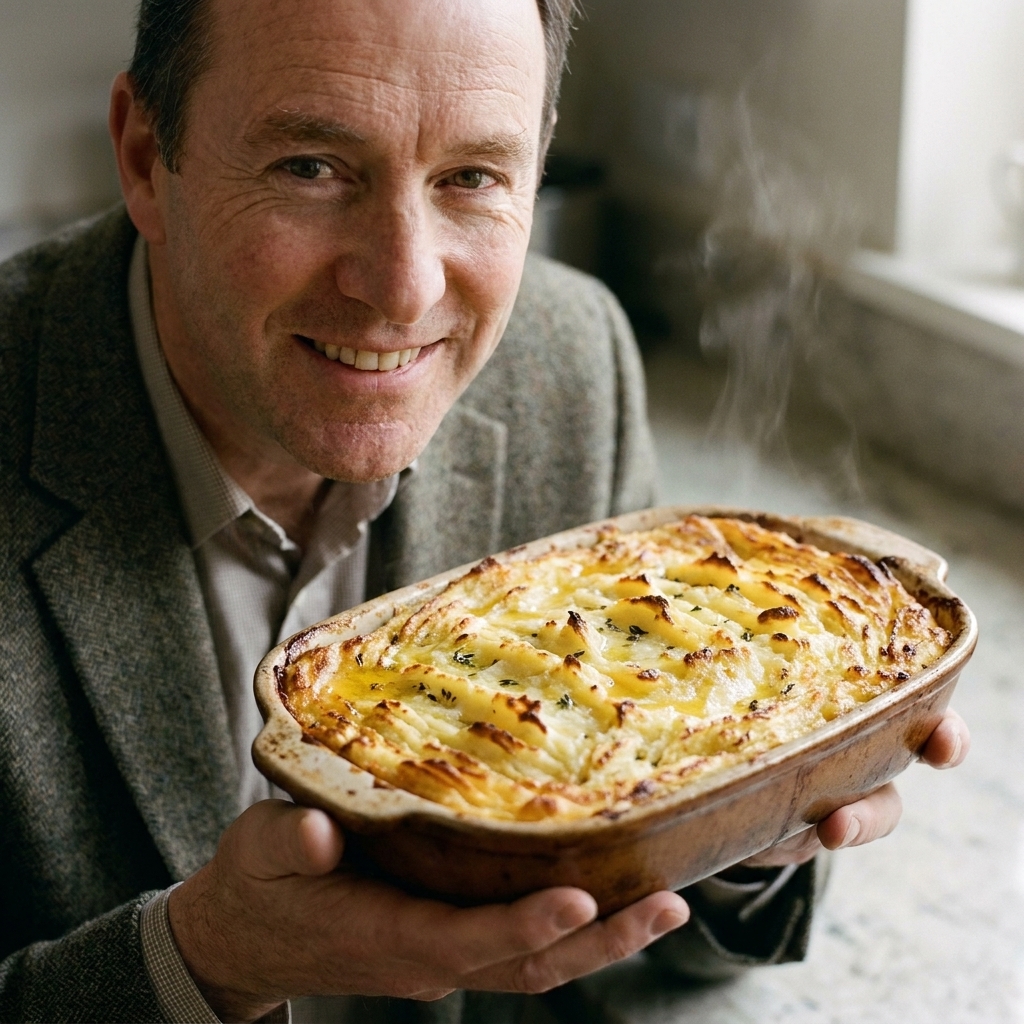
- Top and bake. Spoon filling into a baking dish. Spread mash on top and rough it up with a fork. Add cheddar if you want that pub gratin vibe. Bake 20 to 25 minutes until bubbling and golden. Finish under the grill (broiler) for 1 to 3 minutes if you like extra crisp bits.
- Finish. Rest 10 minutes, then scatter parsley over the top if using.
Common variations
- Add a splash of cream to the mash if you want it lush, but keep it restrained so it still browns.
- Swap peas for leeks or cabbage. Very Irish, very good.
- Use leftover roast. Traditionally you might see chopped leftover lamb or beef rather than mince. It is brilliant for using up Sunday dinner.
- Cheese on top. Not required, but nobody ever complains.
- Make it gluten-free. Skip the flour and reduce the gravy a touch longer, or thicken with a cornstarch slurry at the end.
Common mistakes
Watery filling
Simmer longer uncovered, or use a bit less stock. The filling should look like a thick stew, not soup.
Pale potato topping
Use butter, keep the mash fairly dry, and rough it up with a fork. Egg yolk in the mash helps too.
Greasy layer
If your mince is very fatty, spoon off a little rendered fat before adding flour and liquid. Leaving some is fine, but a full slick can make the pie heavy.
Seasoning that disappears
Potatoes need salt, and the filling needs salt. Season in layers and taste the filling before it goes in the dish.
What to serve with it
If you want the full pub comfort effect, keep sides simple and green.
- Buttered peas or steamed green beans
- Roasted carrots or parsnips
- A sharp little salad to cut the richness
- Brown bread on the side if you are feeling extra hungry
If you’re building an Irish-at-home spread, it pairs nicely with other classics from the recipe corner of the site like authentic Irish soda bread or a proper full Irish breakfast the next morning with the leftovers.
FAQ
Can I make either one ahead and freeze it?
Yes. Assemble, cool completely, wrap well, and freeze. Bake from frozen at 375°F (190°C) until the center is piping hot, usually 60 to 75 minutes depending on dish depth. If you use a thermometer, aim for 165°F (74°C) in the middle. If the top browns too fast, cover loosely with foil.
How long do leftovers keep, and what is the best reheat?
Keep leftovers in the fridge for up to 3 days. Reheat in a 350°F (180°C) oven until hot right through (the oven keeps the top crisper than a microwave). If you do use the microwave, finish under the grill (broiler) for a minute to wake the crust back up.
Is it still shepherd’s pie if I use beef and lamb together?
At that point, I call it “pie” and carry on with my life. If you are being strict, it is not purely shepherd’s or cottage, but it will still be delicious.
Why do some recipes put the potatoes on the bottom too?
That is more of a layered casserole approach. Traditional versions are meat on the bottom, potatoes on top, so the mash can brown properly.
What potatoes work best in Ireland?
Roosters are a dependable choice for mash with good flavor. Any floury, mash-friendly potato works. Waxy potatoes can turn gluey if you overwork them.