
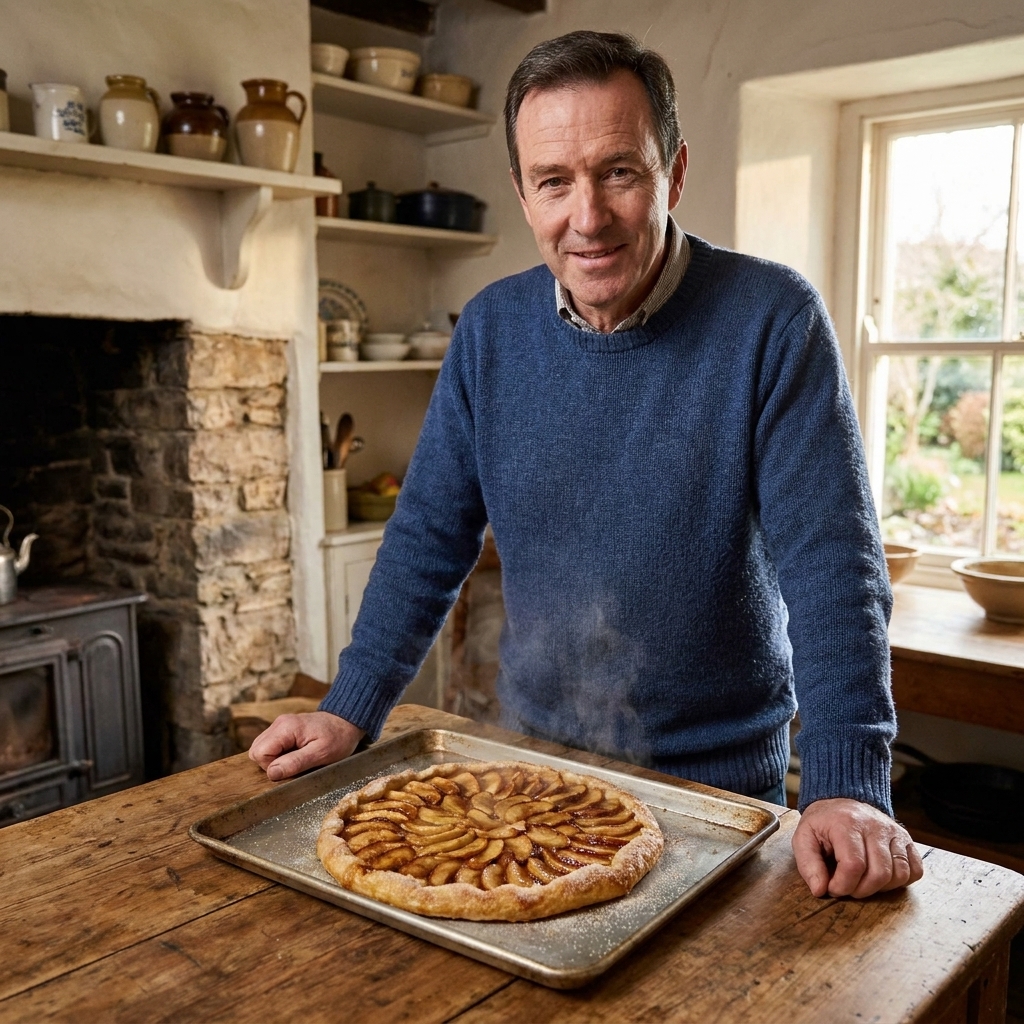
There’s a particular smell that means you’ve landed in the right Irish kitchen: butter warming in the oven, apples going jammy at the edges, and that faint whisper of cinnamon that says, put the kettle on. This is not a deep dish American pie with a mile of filling. A classic Irish farmhouse apple tart is shallow, tidy, and made to slice cleanly onto a plate beside a cup of tea.
I learned to love this one in the kinds of places where the tablecloth is oilcloth, the radio is on low, and someone’s after saying “sure we’ll have a little something” and then produces a tart big enough to feed a wedding. Here’s how to bake it at home, the local way, with a few sweet tips I’ve picked up along the backroads.
Makes: 1 x 23 cm tart (about 6 to 8 slices)
What makes it different
If you’re picturing a tall pie with a domed lid, set that aside. Traditional Irish apple tart tends to be:
- Shallow, baked in a shallow tin or pie dish, so the pastry stays crisp.
- Shortcrust-based, buttery and sturdy enough to lift a slice without it collapsing.
- Apple-forward, usually thin slices, not a thick stew of fruit.
- Finished simply, often with a brush of warmed jam and a sprinkle of sugar.
It’s the kind of bake that shows up for Sunday tea, visitors calling in, or the “we have apples to use up” season.
Ingredients
For the shortcrust pastry
- 250 g plain flour, plus a bit extra for dusting
- 125 g cold butter, cut into cubes
- 2 tbsp caster sugar (optional, but lovely)
- Pinch of salt
- 1 egg yolk
- 2 to 4 tbsp cold water (as needed)
For the apple filling
- 4 to 5 medium cooking apples (like Bramley) or a mix of cooking and sweet apples
- 2 to 4 tbsp sugar (to taste, depends on the apples)
- 1 tsp cinnamon (optional)
- Small pinch of nutmeg or mixed spice (optional)
- 1 tbsp plain flour or cornflour (cornstarch)
- 1 tbsp butter, dotted on top
- 1 egg (for egg wash), or a splash of milk
To finish
- 2 tbsp apricot jam or apple jelly, warmed (for glazing)
- 1 to 2 tsp sugar for sprinkling
If you want a few more everyday Irish staples for the table, have a wander through my Irish recipes guide, or pair this with authentic Irish soda bread on a proper baking day.
Gear you’ll want
- Shallow tart tin (about 23 cm) or a shallow pie dish. A loose-bottom tin makes serving easier.
- Baking tray under the tart tin to catch any drips.
- Rolling pin, plus a sharp knife or mandoline for thin apple slices.
No tart tin? A shallow pie dish works grand. The main thing is keeping the tart fairly flat so the pastry bakes through.
Method
1) Make the pastry
- Mix dry ingredients. Add flour, salt, and sugar to a bowl.
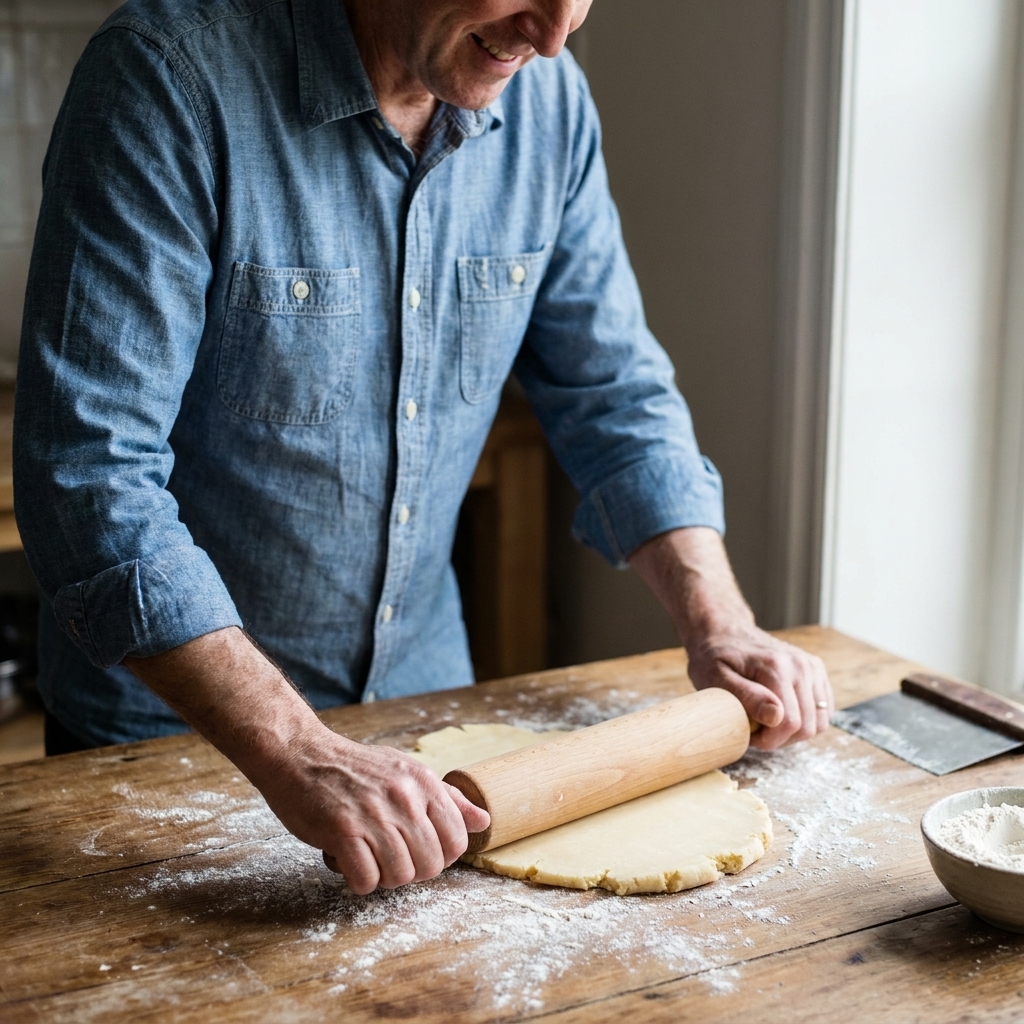
- Rub in the butter. Using fingertips, rub cold butter into the flour until it looks like fine breadcrumbs with a few pea-sized bits left. Those little bits are good news for flakiness.
- Add yolk and water. Stir in egg yolk. Add cold water a spoon at a time, mixing until it just comes together. Do not overwork it.
- Chill. Flatten into a disc, wrap, and chill 30 minutes. This stops shrinking and keeps the pastry tender.
2) Prep the apples
- Heat oven. Preheat to 190°C (170°C fan). Slide an empty baking tray into the oven now too. Starting the tart on a hot tray helps the base crisp up.
- Peel and slice. Peel, core, and slice the apples thinly, about 2 to 3 mm if you can. Thin slices soften quickly without flooding the tart.
- Season. Toss apples with sugar, cinnamon, pinch of spice, and flour or cornflour. If your apples are very juicy, use the full tablespoon.
3) Assemble
- Roll pastry. On a floured surface, roll to about 3 mm thick.
- Line the tin. Gently lift pastry into the tart tin, press into the corners, and trim the edge.
- Optional chill. Pop the lined tin into the fridge for 10 minutes if you have the time. It helps with shrinkage and crispness.
- Add apples. Arrange slices in overlapping circles (or neat rows if you’re feeling proud). Keep it fairly even, not heaped.
- Dot with butter. Small bits across the top.
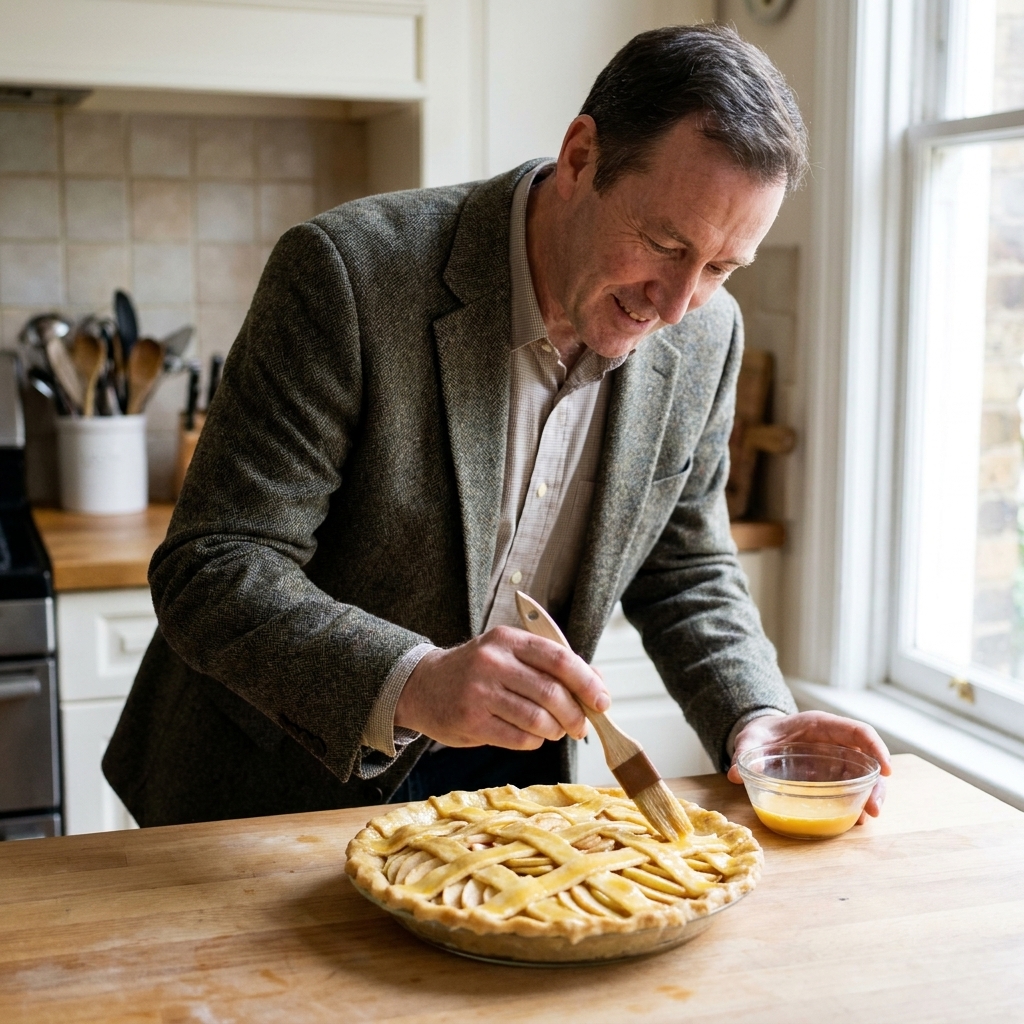
- Add a lid or lattice (optional). Some farmhouse versions have a simple pastry lid, and some are left open. If you do a lid, roll a second circle, lay it over, seal the edges, and cut a couple of small slits for steam.
- Egg wash. Brush the top with a separate beaten egg (or milk), then sprinkle a little sugar.
4) Bake
- Bake 35 to 45 minutes, until the pastry is golden and you can see juices bubbling in spots.
- Check the base. If you are using a loose-bottom tin, you can carefully lift it slightly to peek at the underside. You’re looking for a set base with at least a little colour, not pale and soft.
- Cool before slicing. Give it at least 20 minutes. Straight-from-the-oven tart tastes lovely, but it slices like a landslide.
Finish and serve
Warm 2 tablespoons of apricot jam or apple jelly until it loosens, then brush it lightly over the top. It’s a small thing, but it gives that bakery window sheen and helps the tart stay moist without getting soggy.
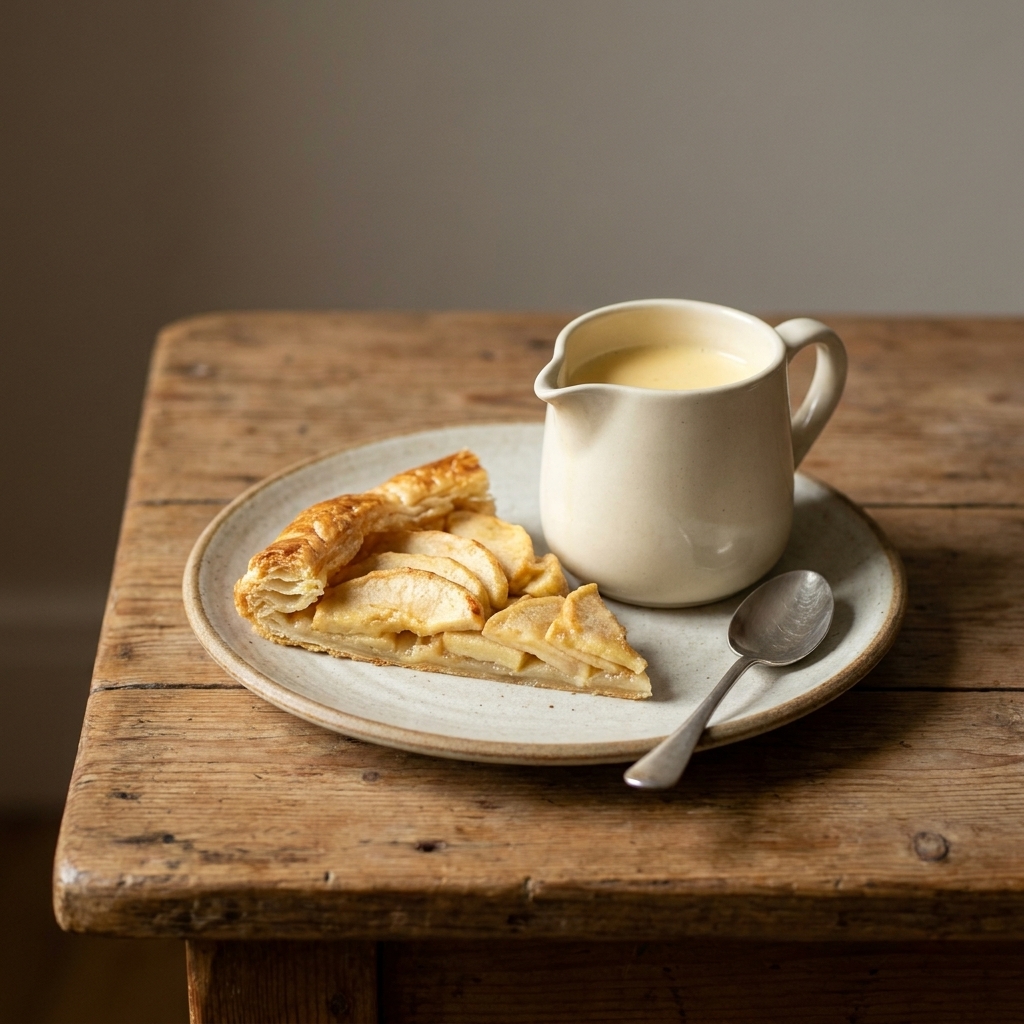
Serve warm with custard, cream, or ice cream. In plenty of Irish homes, it’s custard first, questions later.
Sweet tips
Keep it shallow
If you pile apples too high, the middle steams and the base suffers. A neat, low layer of thin slices bakes more evenly and gives you that proper shortcrust snap.
Stop the soggy bottom
- Chill the lined tin for 10 minutes before filling.
- Dust the base lightly with a teaspoon of flour or fine breadcrumbs before adding apples.
- Use a mix of apples. Cooking apples give tang but can be wetter. Mixing in a firmer sweet apple helps.
- Go easy on sugar. Too much pulls out juices fast.
Make pastry tender
Cold butter, light hands, and minimal mixing. If the dough feels sticky, flour the surface lightly and keep going. If it feels warm, back into the fridge it goes.
Know when it’s done
Look for golden edges and a base that feels set, not soft. If the top browns too quickly, lay a piece of foil loosely over it for the last 10 minutes.
Kitchen variations
- Raisin and apple tart: Add a small handful of raisins or sultanas tossed with the apples.
- Clove-scented version: A tiny pinch of ground clove goes a long way. Very old-school.
- Brown sugar top: Swap caster sugar for a light sprinkle of brown sugar for extra toffee notes.
- Open tart (no lid): Just apples on pastry, brushed with jam after baking. Lovely when you want the apples to caramelise a bit.
Storing and reheating
- Room temperature: 1 to 2 days, covered, if your kitchen is cool.
- Warm weather: If it’s muggy or very warm indoors, refrigerate and eat within 3 to 4 days (the pastry will soften a bit).
- Reheat: 160°C oven for 10 to 12 minutes to bring back a bit of crispness. Microwave works for warmth, but it softens the pastry.
Quick FAQ
What apples work best?
If you can get them, Bramley style cooking apples give the right tang. I like mixing cooking apples with one or two firmer sweet apples for texture.
Do I need cinnamon?
No. Plenty of Irish tarts are simply apple, sugar, butter, pastry. Cinnamon is welcome, but it’s not mandatory.
Can I make the pastry ahead?
Yes. Make it the day before and keep it chilled. Let it sit at room temperature for 5 to 10 minutes so it rolls without cracking.
What should I serve with it?
Warm custard is the classic. Cream is a close second. If you’re planning a full Irish spread another day, my full Irish breakfast at home is a fun weekend project, but this tart is the one you bring out when you want the room to go quiet for a minute.